Tell us about the job
Takes about a minute. No obligation.
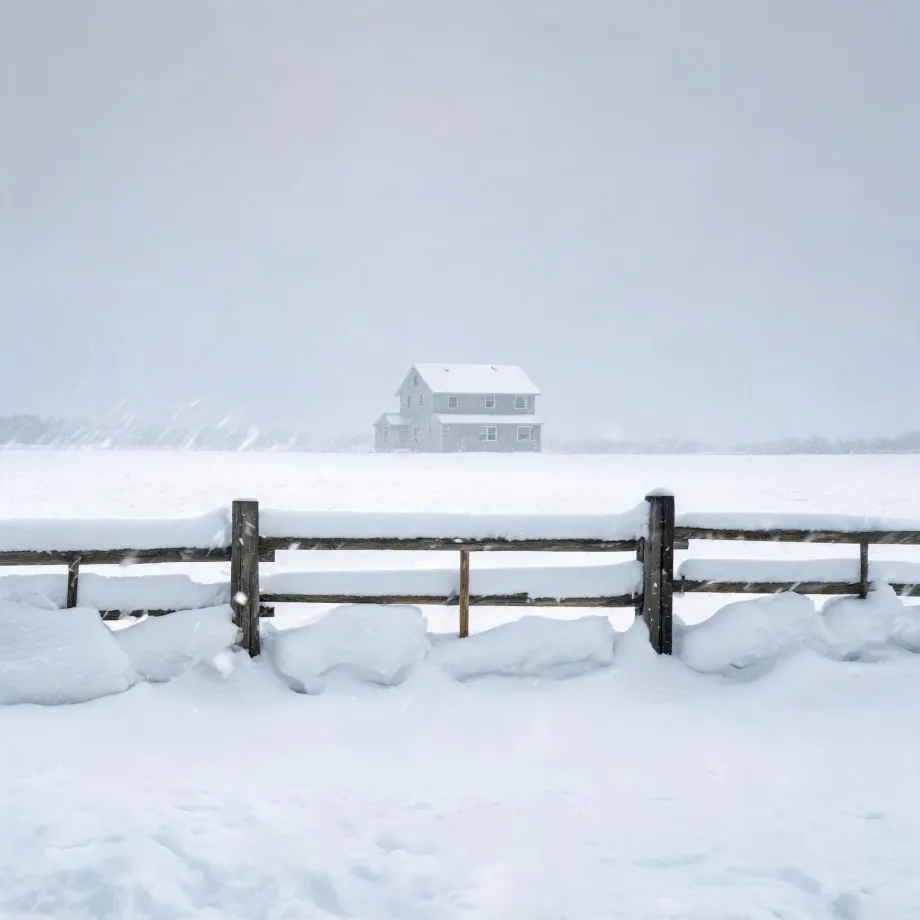
Homes in Greeley County, NE run heat about eight months a year, from October through May. A furnace cycling through a heating season that long puts real work on the heat exchanger, the burner, and the ignition system. Cracks in the heat exchanger and worn igniter contacts are what a contractor finds most often on equipment that has been running hard and then sitting cold, running hard and then sitting cold, season after season. A contractor quoting a repair here should inspect those components first, before the quote touches anything else.
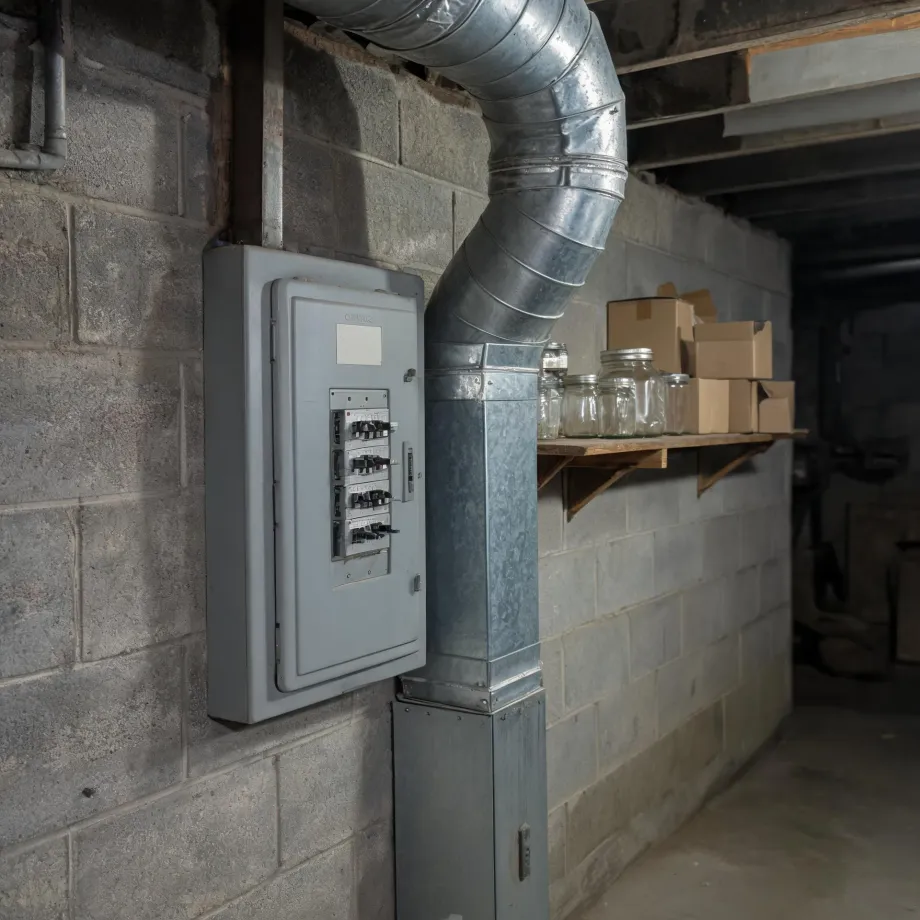
Older ductwork does not announce its condition from the outside. Half the homes in Greeley County, Nebraska were built in 1946 or earlier (2020-2024 ACS 5-year). A furnace sitting in housing that old has been surrounded, at some point, by duct runs that were measured and fitted for something earlier, patched when it mattered and left when it did not. When a contractor opens the furnace itself, what they find in the heat exchanger, the blower, and the flue connections often reflects what the surrounding system has been asking of it across that span. Parts for a unit running under those conditions wear on a different schedule than parts for one in a tight, well-matched system, and whether a given component is still in production is a question the contractor has to answer before the quote means anything.
The Parts of a Furnace a Contractor Checks First
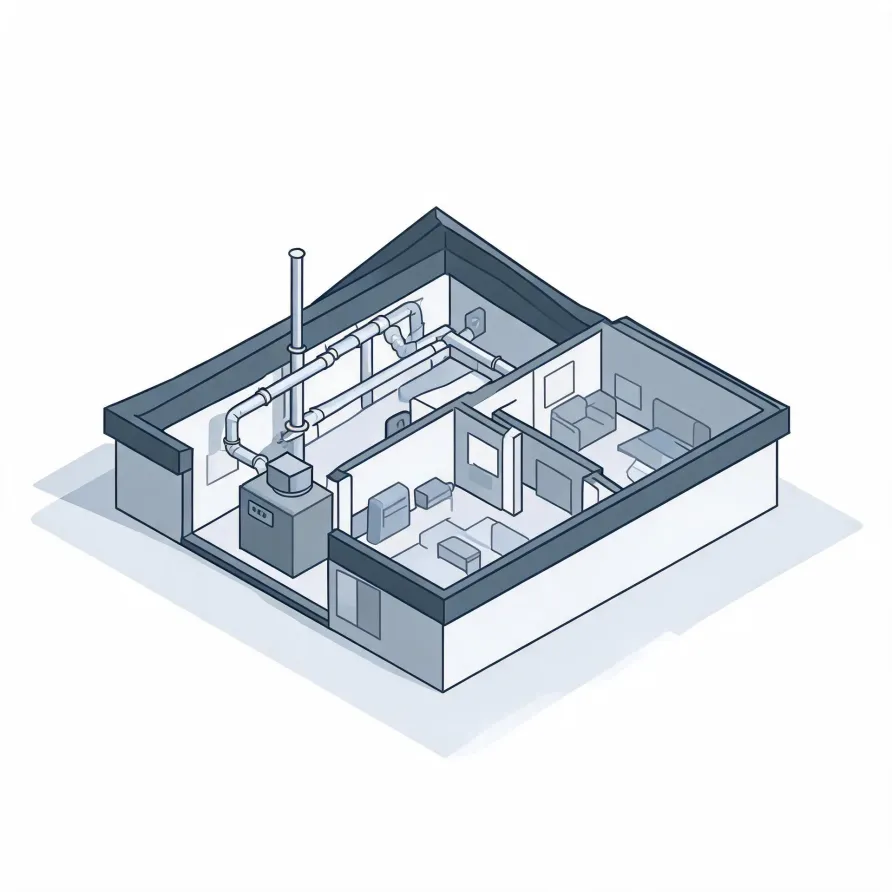
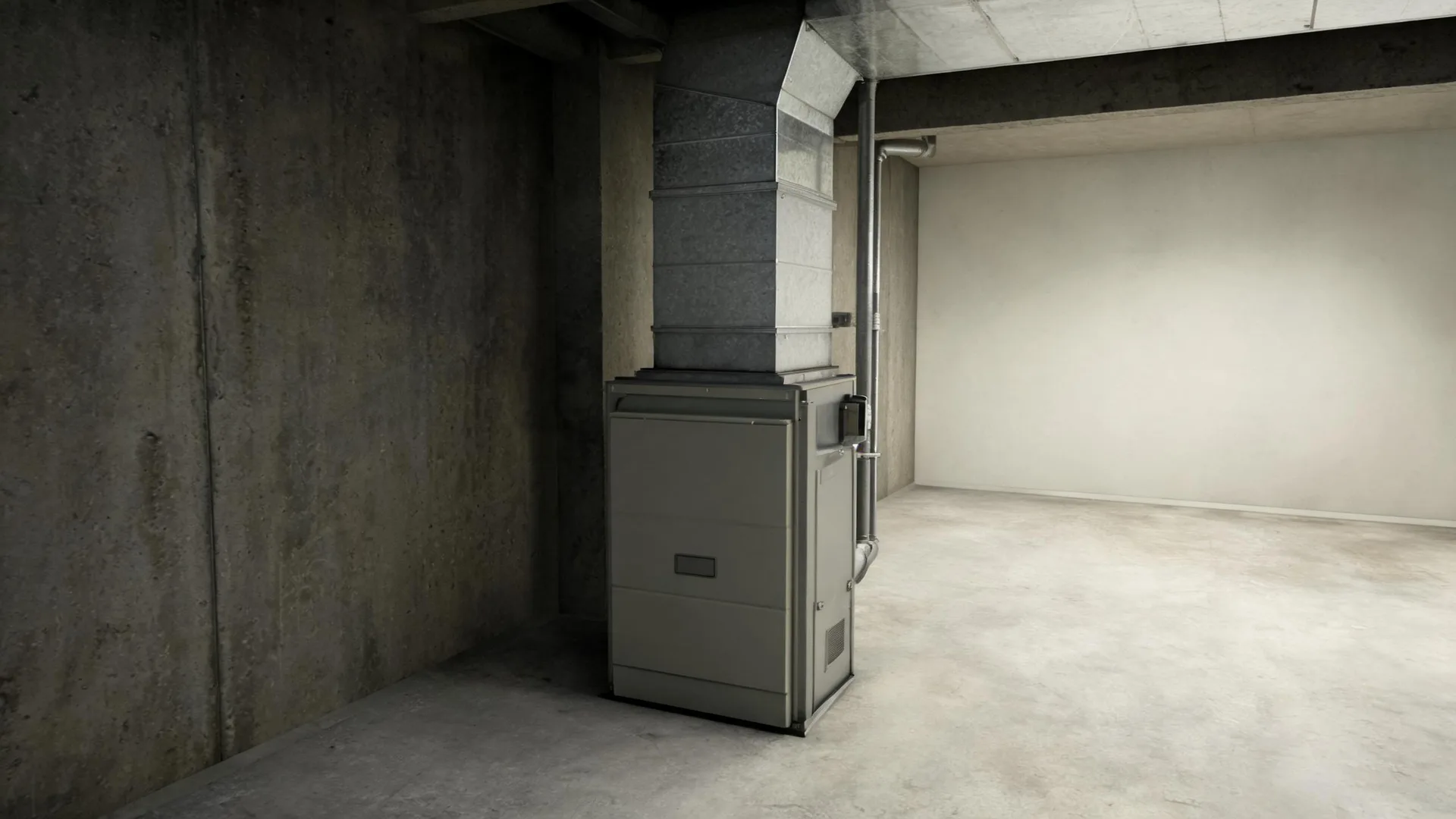
The furnace itself sits in a utility space, basement, or closet and is where heat gets made. Inside it, the heat exchanger is the first place a contractor looks when something is wrong. Cracks or buildup there affect the whole system. The burners, which sit just below it, are checked next when the unit is failing to heat properly.
The blower motor and its fan wheel sit at the base of the unit and push conditioned air into the duct system. The flue or exhaust vent runs from the top of the furnace out through the wall or roof, and a contractor checks it for blockage or separation. The igniter and flame sensor are small parts, but either one failing will stop the furnace from firing at all.
The drawing shows a general layout of these components, and a licensed contractor determines what applies to your specific system and home.
Get matched in Greeley CountyGreeley County by the numbers
71 severe weather events were recorded in Greeley County, Nebraska between 2015 and 2024.
NOAA National Centers for Environmental Information, Storm Events Database, bulk CSV export, events 2015-01-01 through 2024-12-31.Half the homes in Greeley County, Nebraska were built in 1946 or earlier (2020-2024 ACS 5-year).
U.S. Census Bureau, 2020-2024 American Community Survey 5-Year EstimatesGreeley County, Nebraska holds 1,215 housing units (2020-2024 ACS 5-year).
U.S. Census Bureau, 2020-2024 American Community Survey 5-Year EstimatesOwners occupy 81.7% of the occupied homes in Greeley County, Nebraska (2020-2024 ACS 5-year).
U.S. Census Bureau, 2020-2024 American Community Survey 5-Year EstimatesCodes & Standards Covering Furnace Repair in Greeley County, Nebraska5 sourced rules and standards
What HVAC Repair Actually Looks Like in Greeley County
Non-weatherized gas furnaces manufactured on or after November 19, 2015 must reach 80.0 percent AFUE.
Non-weatherized oil-fired furnaces manufactured on or after November 19, 2015 must reach 83.0 percent AFUE.
Mobile home gas furnaces manufactured on or after November 19, 2015 must reach 80.0 percent AFUE.
Non-weatherized gas furnaces manufactured on or after December 18, 2028 must reach 95.0 percent AFUE, up from the 80.0 percent minimum that applies to units manufactured before that date.
Licensing Rules for HVAC Repair in Greeley County, Nebraska
Nebraska requires registration rather than a licence: a contractor must be registered with the Department of Labor before performing any construction work, though anyone earning less than five thousand dollars a year from construction services is not a contractor under the Act at all.
Severe Weather Events in Greeley County
Greeley County's weather puts real stress on furnace equipment, cycling it hard through cold snaps and volatile conditions that accelerate wear. That workload is why local repair demand follows local weather, and why a contractor who knows this area reads that pattern differently than one who does not.
71 severe weather events, 2015–2024. Source: NOAA National Centers for Environmental Information, Storm Events Database.