Tell us about the job
Takes about a minute. No obligation.
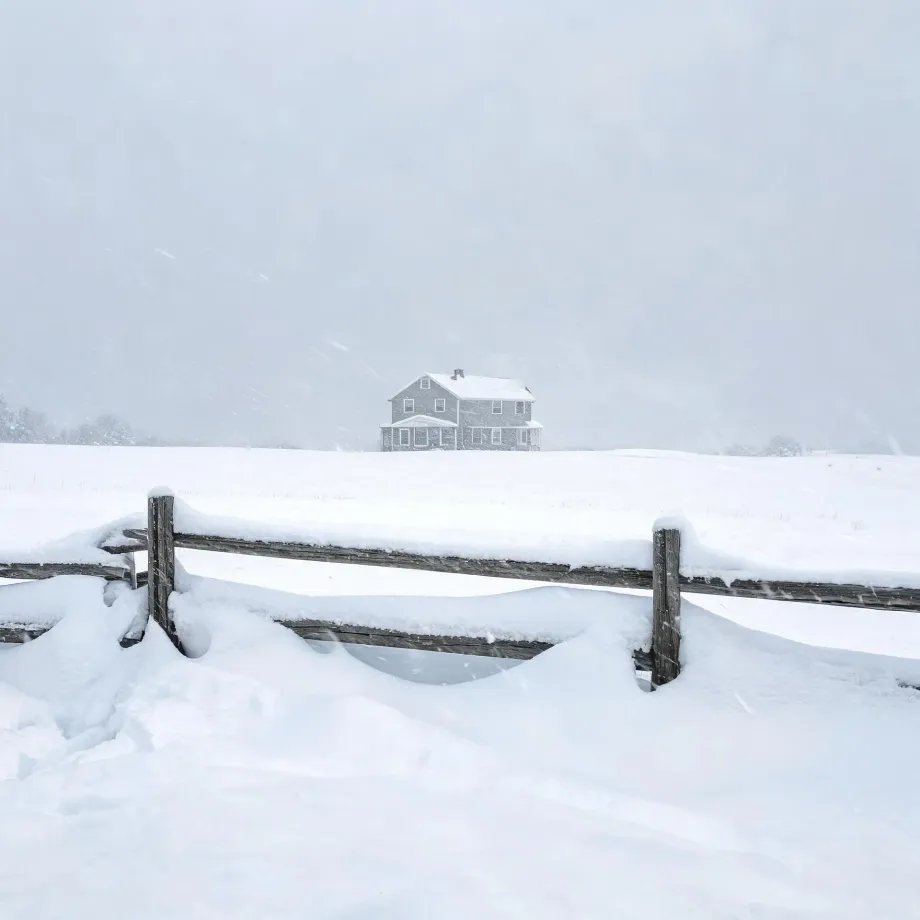
A furnace in Boone County cycles its burner and ignition system hard, and those components absorb the wear. Homes in Boone County, NE run heat about eight months a year, from October through May. The heat exchanger cracks from repeated thermal expansion, igniters weaken from constant firing, and limit switches trip more often as they age. A contractor quoting a repair here checks those parts first, because that is where the load lands.
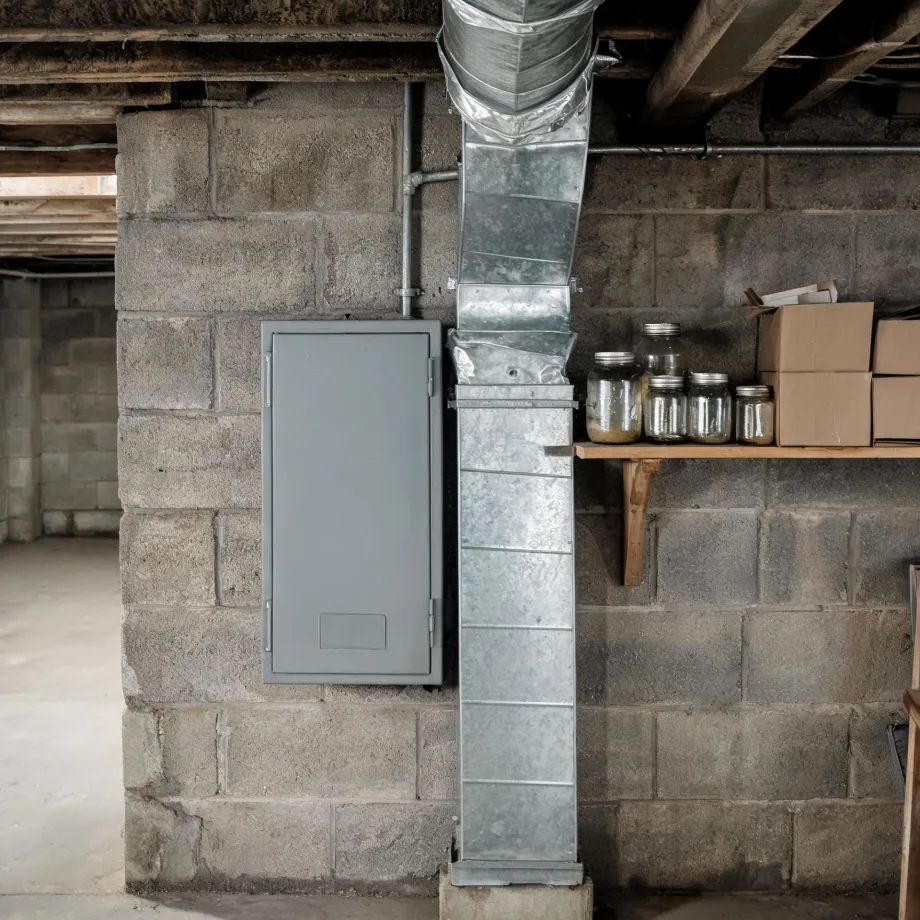
Ductwork in houses this old was sized and routed for systems that no longer exist. When a contractor opens a furnace here, the question is whether the heat exchanger, burner assembly, or control board takes a part that is still in production, or whether the repair depends on sourcing something that the manufacturer stopped making years ago. Half the homes in Boone County, Nebraska were built in 1957 or earlier (2020-2024 ACS 5-year). That gap between what the house was built for and what has run in it since is where furnace repairs in this county get complicated or get expensive.
The Parts of a Furnace a Contractor Checks First
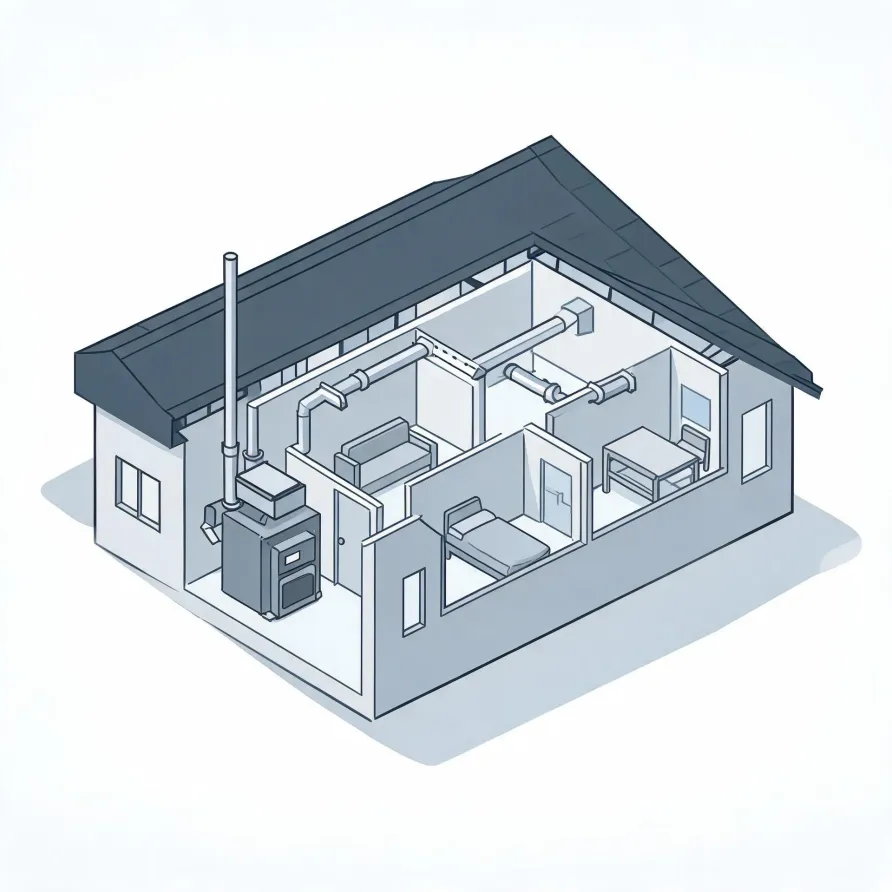
The furnace itself sits in a utility room, basement, or closet and is the piece a contractor opens first. Inside it, the heat exchanger is the part that fails quietly but seriously, and the burner assembly is where ignition problems usually begin. The blower motor drives conditioned air out of the unit and into the house.
The flue pipe exits the furnace and vents combustion gases outside. Near the unit, the condensate drain line on high-efficiency models and the gas valve controlling fuel supply are both points a contractor checks when the system runs poorly or not at all. The thermostat wiring connection at the furnace is also a common place to find the source of a call complaint.
The drawing shows a general layout of these components, and a licensed contractor determines which of them apply and need attention in your specific home.
Get matched in Boone CountyBoone County, by the numbers
83 severe weather events were recorded in Boone County, Nebraska between 2015 and 2024.
NOAA National Centers for Environmental Information, Storm Events Database, bulk CSV export, events 2015-01-01 through 2024-12-31.Half the homes in Boone County, Nebraska were built in 1957 or earlier (2020-2024 ACS 5-year).
U.S. Census Bureau, 2020-2024 American Community Survey 5-Year EstimatesBoone County, Nebraska holds 2,555 housing units (2020-2024 ACS 5-year).
U.S. Census Bureau, 2020-2024 American Community Survey 5-Year EstimatesOwners occupy 81.9% of the occupied homes in Boone County, Nebraska (2020-2024 ACS 5-year).
U.S. Census Bureau, 2020-2024 American Community Survey 5-Year EstimatesCodes & Standards Behind Furnace Repair in Boone County, Nebraska5 sourced rules & standards
What Happens Once a Contractor Comes Out
Non-weatherized gas furnaces manufactured on or after November 19, 2015 must reach 80.0 percent AFUE.
Non-weatherized oil-fired furnaces manufactured on or after November 19, 2015 must reach 83.0 percent AFUE.
Mobile home gas furnaces manufactured on or after November 19, 2015 must reach 80.0 percent AFUE.
Non-weatherized gas furnaces manufactured on or after December 18, 2028 must reach 95.0 percent AFUE, up from the 80.0 percent minimum that applies to units manufactured before that date.
Licensing and Legal Requirements in Boone County, Nebraska
Nebraska requires registration rather than a licence: a contractor must be registered with the Department of Labor before performing any construction work, though anyone earning less than five thousand dollars a year from construction services is not a contractor under the Act at all.
Severe Weather Events in Boone County
Hard weather puts real hours on a furnace. The more a heating system cycles hard to hold temperature against what Nebraska throws at a home, the more likely it is to surface a fault that needs a contractor's attention.
83 severe weather events, 2015–2024. Source: NOAA National Centers for Environmental Information, Storm Events Database.