Tell us about the job
Takes about a minute. No obligation.
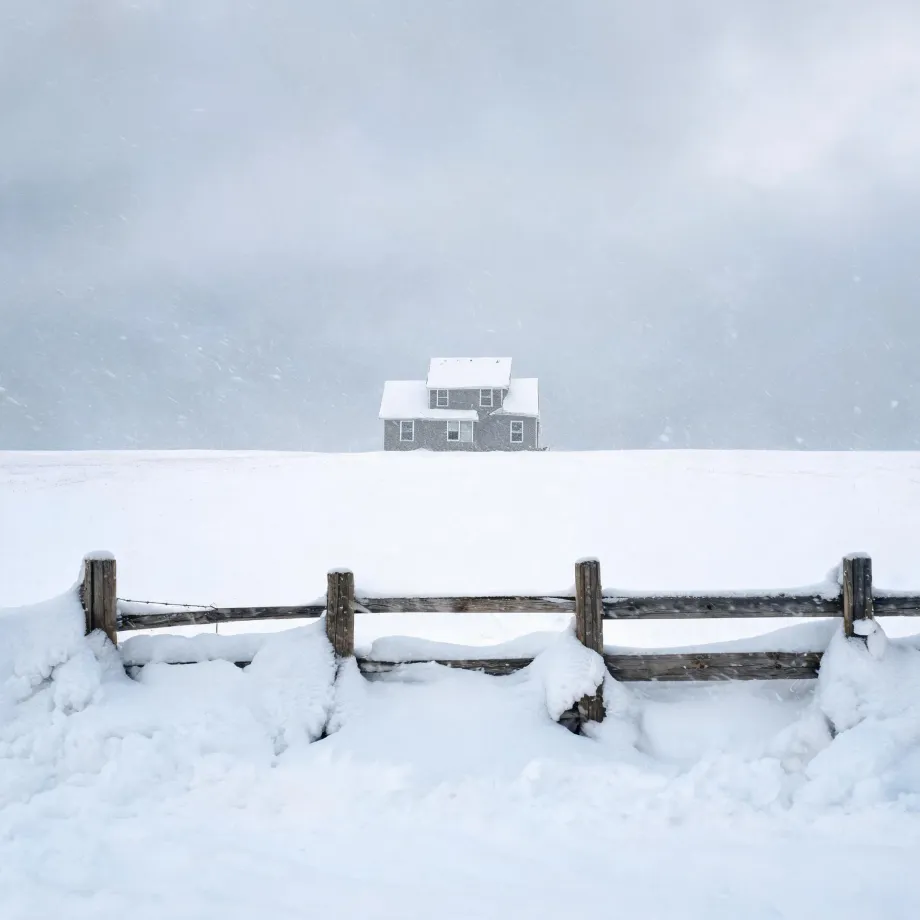
Sizing a furnace for this county starts with understanding what the burner is actually being asked to do year after year. Homes in Stanton County, NE run heat about eight months a year, from October through May. The heat exchanger, the ignition system, and the burner itself cycle through that entire stretch, and a unit that is undersized for the house runs longer and harder each time it fires. Contractors working a new install here account for that accumulated cycling when they select equipment and set up the distribution system, because there is very little idle time for a marginal install to hide behind.
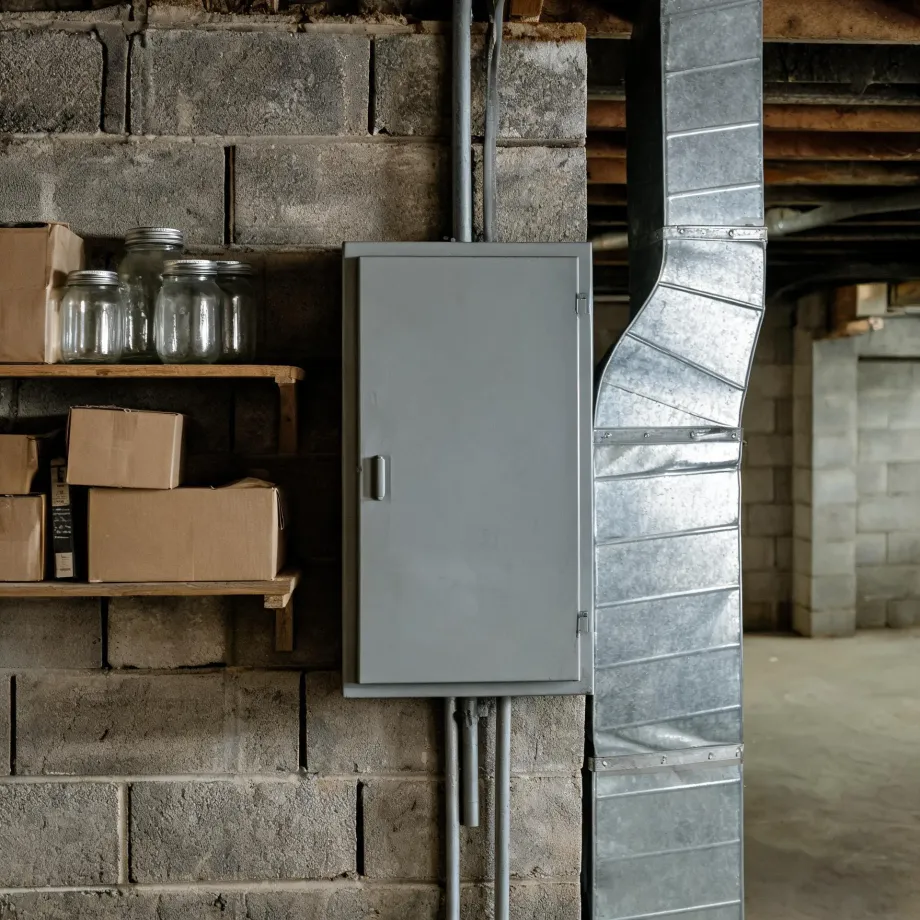
Ductwork sized and routed for a different system than what a contractor is about to put in is where furnace installations in Stanton County get complicated. Half the homes in Stanton County, Nebraska were built in 1967 or earlier (2020-2024 ACS 5-year). That means a large share of the houses here were ducted for equipment that has since been replaced, and the duct layout reflects what the original system needed, not what a current furnace will push. Before a unit is priced, a contractor has to assess whether the existing trunk lines and branch runs will carry the new system's airflow. If they will not, the duct work becomes part of the job.
What Gets Installed With a New Furnace
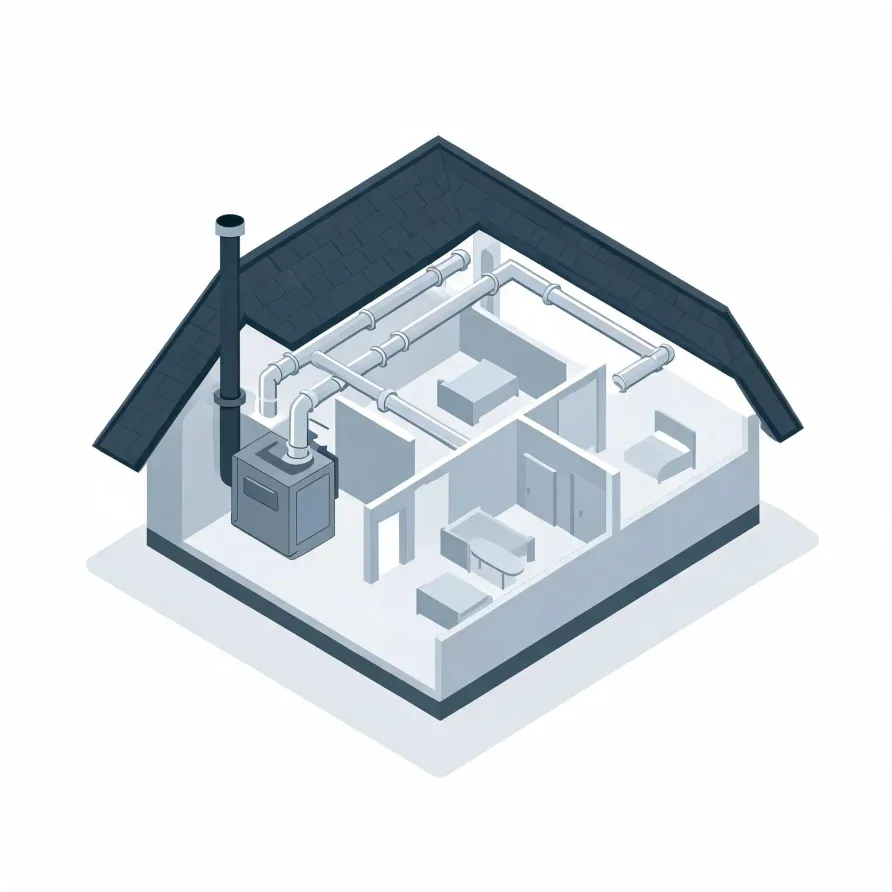
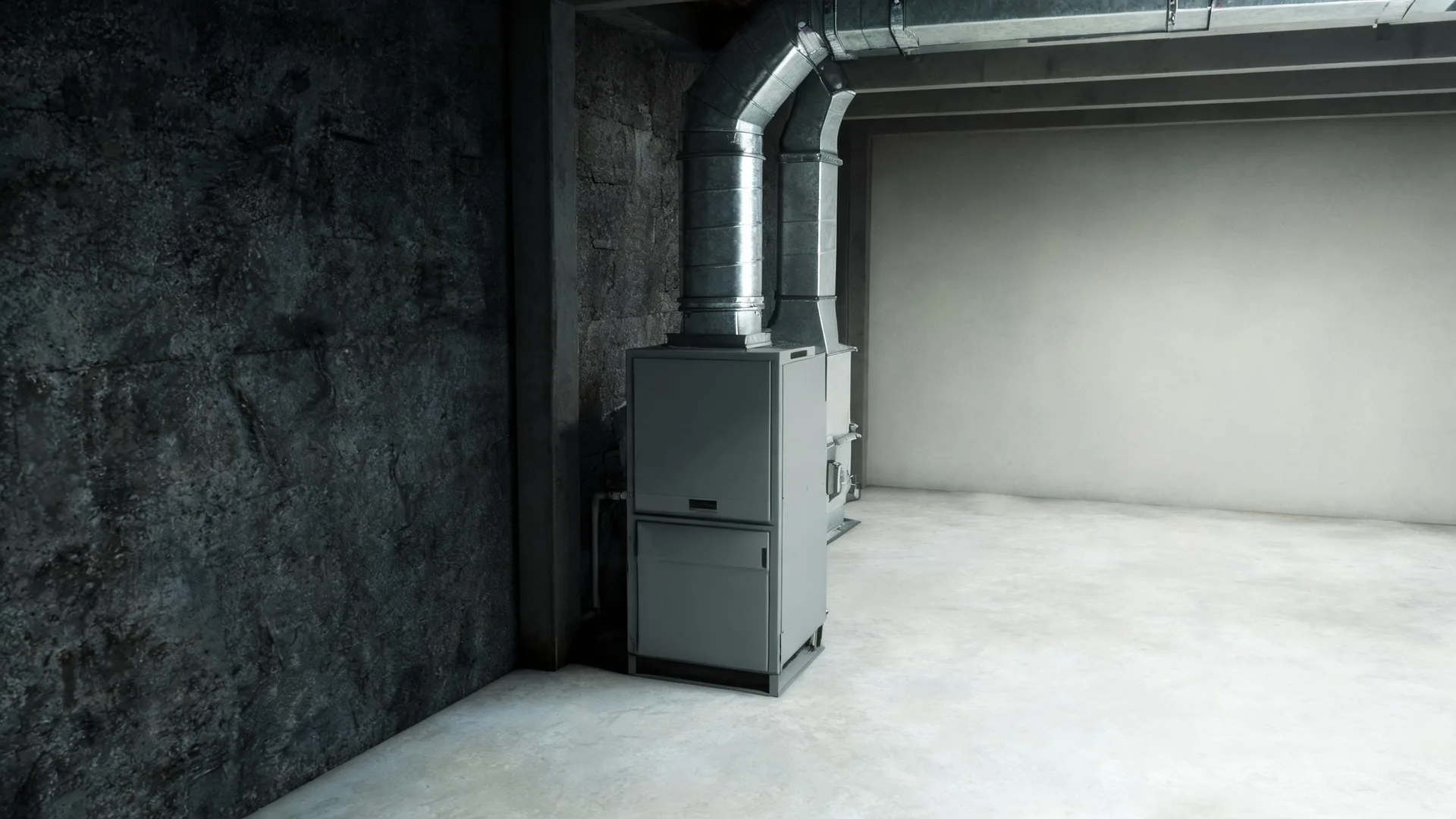
The furnace itself sits in the basement, utility room, or mechanical closet and is the piece that produces heat. A contractor mounts the air handler or blower assembly inside or directly on the unit, and this is what pushes conditioned air into the duct system. The flue or exhaust vent runs from the furnace to an exterior wall or through the roof, carrying combustion gases out of the house.
The thermostat goes on an interior wall, usually in a main living area, and is the control point that tells the furnace when to fire and when to stop. A contractor also installs or connects the filter housing, which sits at the point where return air enters the unit, and the gas line connection that feeds the burner assembly.
The drawing shows a general layout of these components, and a licensed contractor determines exactly what applies to your house and its existing conditions.
Get matched in Stanton CountyStanton County, by the numbers
92 severe weather events were recorded in Stanton County, Nebraska between 2015 and 2024.
NOAA National Centers for Environmental Information, Storm Events Database, bulk CSV export, events 2015-01-01 through 2024-12-31.Half the homes in Stanton County, Nebraska were built in 1967 or earlier (2020-2024 ACS 5-year).
U.S. Census Bureau, 2020-2024 American Community Survey 5-Year EstimatesStanton County, Nebraska holds 2,483 housing units (2020-2024 ACS 5-year).
U.S. Census Bureau, 2020-2024 American Community Survey 5-Year EstimatesOwners occupy 78.3% of the occupied homes in Stanton County, Nebraska (2020-2024 ACS 5-year).
U.S. Census Bureau, 2020-2024 American Community Survey 5-Year EstimatesFurnace Installation Rules for Stanton County, Nebraska5 codes, standards, and laws
What Happens When the Contractor Shows Up
Non-weatherized gas furnaces manufactured on or after November 19, 2015 must reach 80.0 percent AFUE.
Non-weatherized oil-fired furnaces manufactured on or after November 19, 2015 must reach 83.0 percent AFUE.
Mobile home gas furnaces manufactured on or after November 19, 2015 must reach 80.0 percent AFUE.
Non-weatherized gas furnaces manufactured on or after December 18, 2028 must reach 95.0 percent AFUE, up from the 80.0 percent minimum that applies to units manufactured before that date.
Licensing and Legal Requirements in Stanton County, Nebraska
Nebraska requires registration rather than a licence: a contractor must be registered with the Department of Labor before performing any construction work, though anyone earning less than five thousand dollars a year from construction services is not a contractor under the Act at all.
Severe Weather Events in Stanton County
Weather extremes put hours on heating equipment that moderate climates never demand. A furnace sized and installed for what Stanton County actually delivers performs differently than one built to a generic spec.
92 severe weather events, 2015–2024. Source: NOAA National Centers for Environmental Information, Storm Events Database.