Tell us about the job
Takes about a minute. No obligation.
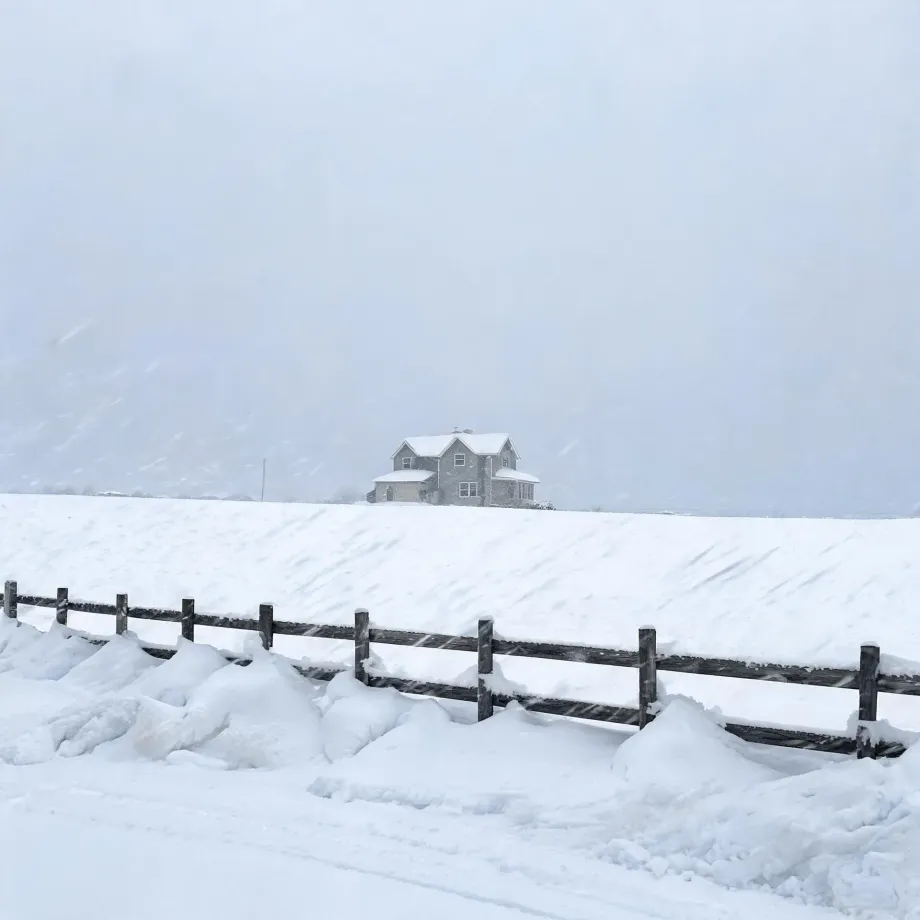
Sizing a furnace for this county means accounting for how long the burner actually runs, not just how cold the worst days get. Homes in Cuming County, NE run heat about eight months a year, from October through May. A burner and heat exchanger cycling through that kind of sustained demand accumulate wear on their seating surfaces, ignition components, and metal fatigue points faster than equipment standing idle for half the year would. A contractor quoting a replacement here has to run a proper load calculation rather than matching the old unit's label, because an undersized furnace working hard across that stretch will crack a heat exchanger well ahead of its rated service life.
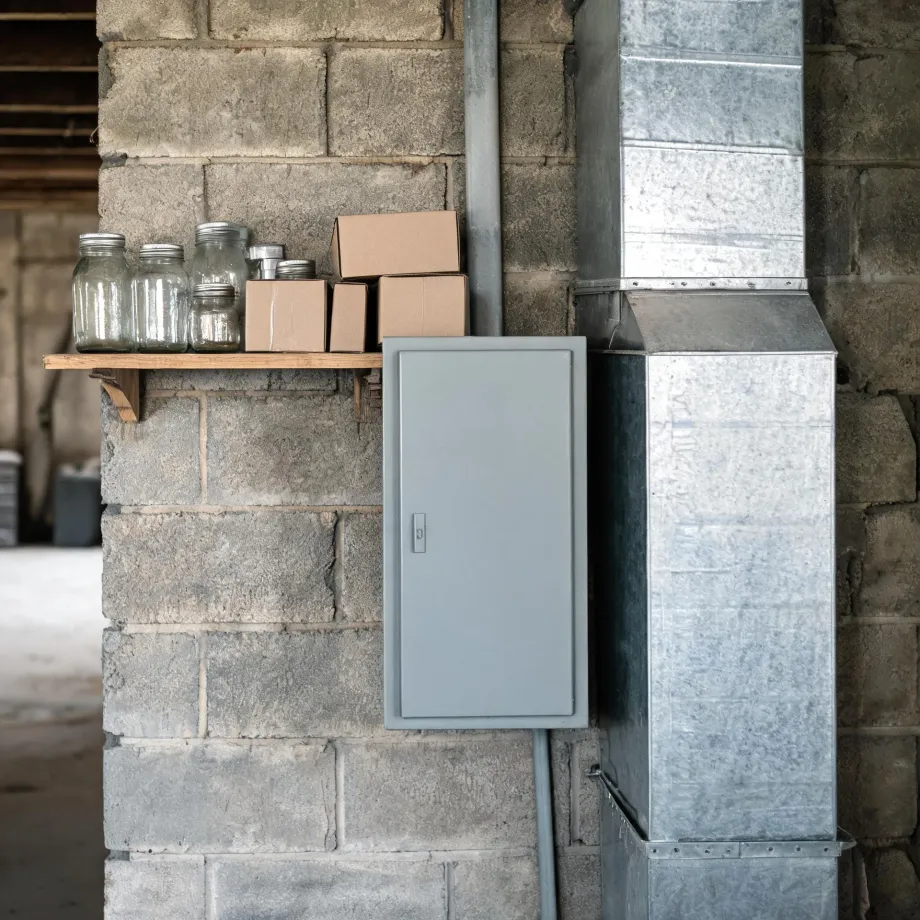
Ductwork sized for an older system is the first thing a contractor has to assess before a furnace installation in Cuming County can be quoted with any confidence. Half the homes in Cuming County, Nebraska were built in 1958 or earlier (2020-2024 ACS 5-year). That puts a large share of the local housing stock in a range where the ducts were laid out around equipment that bears little resemblance to what is being installed today. If the existing ductwork cannot move the air a new furnace pushes, the installation scope grows before the unit ever arrives. The electrical service gets the same look, since a new furnace draws on circuits that may have been wired for something different. What the house already contains is what sets the scope.
What Gets Installed With a New Furnace
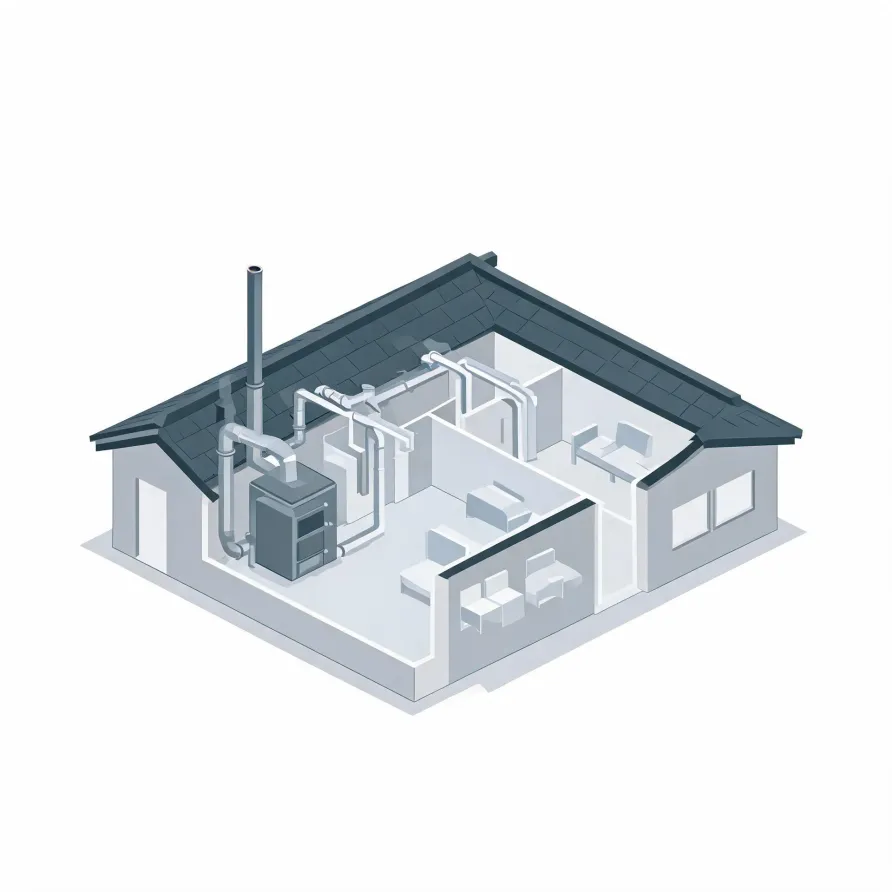
The furnace itself sits inside the house, most often in a basement, utility room, or closet. It is the box that generates heat, drawing in return air, warming it, and sending it back through the supply ducts. A new installation also includes the flue pipe, which runs from the furnace to an exterior wall or up through the roof to carry combustion gases out of the house.
The thermostat mounts on an interior wall and is the control point the homeowner sees and uses every day. Alongside it, a contractor installs or replaces the air handler components that move air through the system, and fits a new filter housing where the return air enters the furnace. Each of these has to be matched to the furnace unit and wired back to the thermostat.
The drawing shows a typical layout, and a licensed contractor determines exactly what applies to this house.
Get matched in Cuming CountyCuming County, by the numbers
87 severe weather events were recorded in Cuming County, Nebraska between 2015 and 2024.
NOAA National Centers for Environmental Information, Storm Events Database, bulk CSV export, events 2015-01-01 through 2024-12-31.Half the homes in Cuming County, Nebraska were built in 1958 or earlier (2020-2024 ACS 5-year).
U.S. Census Bureau, 2020-2024 American Community Survey 5-Year EstimatesCuming County, Nebraska holds 4,153 housing units (2020-2024 ACS 5-year).
U.S. Census Bureau, 2020-2024 American Community Survey 5-Year EstimatesOwners occupy 68.9% of the occupied homes in Cuming County, Nebraska (2020-2024 ACS 5-year).
U.S. Census Bureau, 2020-2024 American Community Survey 5-Year EstimatesFurnace Installation Rules & Codes for Cuming County, Nebraska5 sourced standards and regulations
What the Installation Actually Looks Like
Non-weatherized gas furnaces manufactured on or after November 19, 2015 must reach 80.0 percent AFUE.
Non-weatherized oil-fired furnaces manufactured on or after November 19, 2015 must reach 83.0 percent AFUE.
Mobile home gas furnaces manufactured on or after November 19, 2015 must reach 80.0 percent AFUE.
Non-weatherized gas furnaces manufactured on or after December 18, 2028 must reach 95.0 percent AFUE, up from the 80.0 percent minimum that applies to units manufactured before that date.
Licensing Rules for Cuming County, Nebraska
Nebraska requires registration rather than a licence: a contractor must be registered with the Department of Labor before performing any construction work, though anyone earning less than five thousand dollars a year from construction services is not a contractor under the Act at all.
Severe Weather Events in Cuming County
Nebraska weather puts real demands on furnace equipment, and those demands vary by location. How hard a system works over its life is a local question, and the event record for {county} is part of that picture.
87 severe weather events, 2015–2024. Source: NOAA National Centers for Environmental Information, Storm Events Database.