
Is a high-efficiency furnace worth it in Grand Island, NE

Hand off my installation

Winters are hard in Hall County, and gas is how most homes here stay warm. A high-efficiency furnace burns less of it to do the same job, and with power priced the way it is around Grand Island, that difference shows up on the bill every month from the first cold snap through spring. Whether the upgrade pencils out for your house depends on what you have now, how your home is set up, and what a contractor finds when they look at the furnace itself. That's not something a search box can answer. It takes someone standing in front of your system. Instead of calling around Grand Island, explaining your situation to one company after another, and trying to line up quotes you can actually compare, send the form once. From there, finding someone qualified to look at your furnace stops being your problem to carry. You get to stop researching and start getting a straight answer about your own house.

Is a high-efficiency furnace worth it in Grand Island, NE?

Your furnace runs for months at a stretch here, and a new one costs more upfront if it carries a high AFUE rating. Before you decide whether that extra cost makes sense, it helps to know what the higher rating actually buys you once the thermometer drops and stays down through a Hall County winter.

Yes, if you're running it hard most of the year

A high-efficiency furnace turns more of the gas you buy into heat instead of sending it out the flue. A standard furnace runs around 80 percent efficient. A high-efficiency model runs 90 percent or higher. In Hall County, where winters run cold enough that a furnace cycles on for months without much of a break, that gap in efficiency gets used, not wasted sitting idle. Gas is how most homes here heat, and power stays cheap, so the furnace is doing real work most of the year rather than running occasionally in a mild climate. The longer and harder a furnace runs, the more that extra efficiency is worth to you.

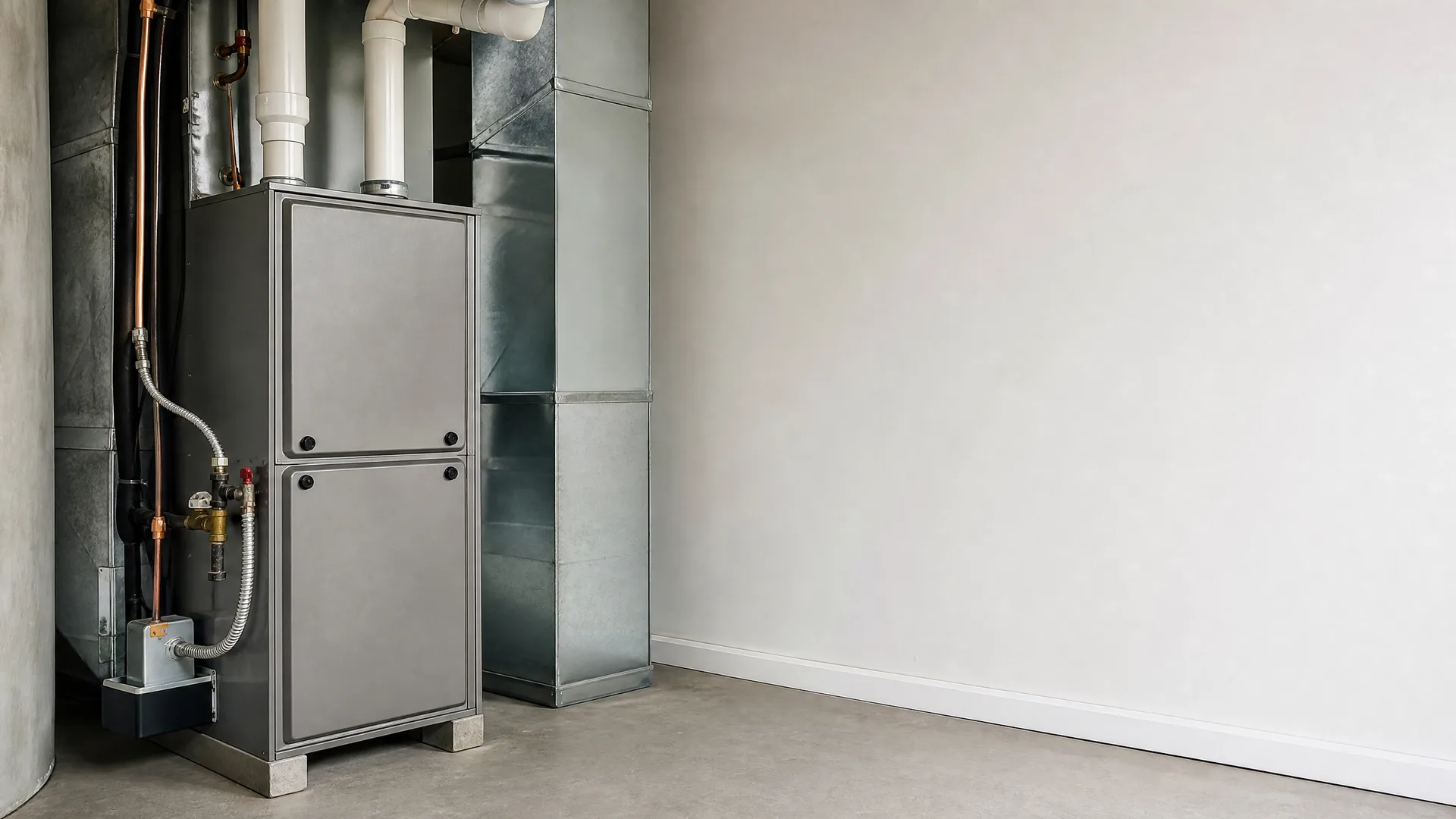
A gray high-efficiency furnace in a basement with white PVC vent pipes, sheet-metal ductwork, copper and black piping, a condensate pump, and insulated walls above a concrete floor.

A high-efficiency furnace installed

PVC pipes carry exhaust and condensate out instead of a metal flue, and a condensate pump clears the water that collects as the furnace burns gas more completely. The ductwork and gas lines feed off a unit built to pull more heat from the same amount of fuel.

A beige residential furnace stands on a concrete basement floor beside galvanized sheet-metal ductwork, a round flue pipe, copper gas piping, and a PVC condensate line, with a wood-paneled wall at right.

An older furnace still running

A round metal flue vents the exhaust, and the gas pipe is black iron and copper, the way furnaces were plumbed before condensing models came along. It still heats the house, but it burns more gas to do it, and the grime and wear show the years on it.

Why does your furnace run almost nonstop in January

Walk past the thermostat and the furnace kicks on again. In a Hall County winter that's normal, but an older furnace has to work harder to keep up, cycling longer and more often to hold the house at temperature. You might notice some rooms staying cooler than others, or the gas bill climbing every month from November through March. Listen for a furnace that takes longer to shut off than it used to, or one that seems to run through the whole afternoon on a cold day. None of that means it's about to fail, but it does mean it's burning more gas than a newer unit would to do the same job, and that gap only grows as the equipment ages.

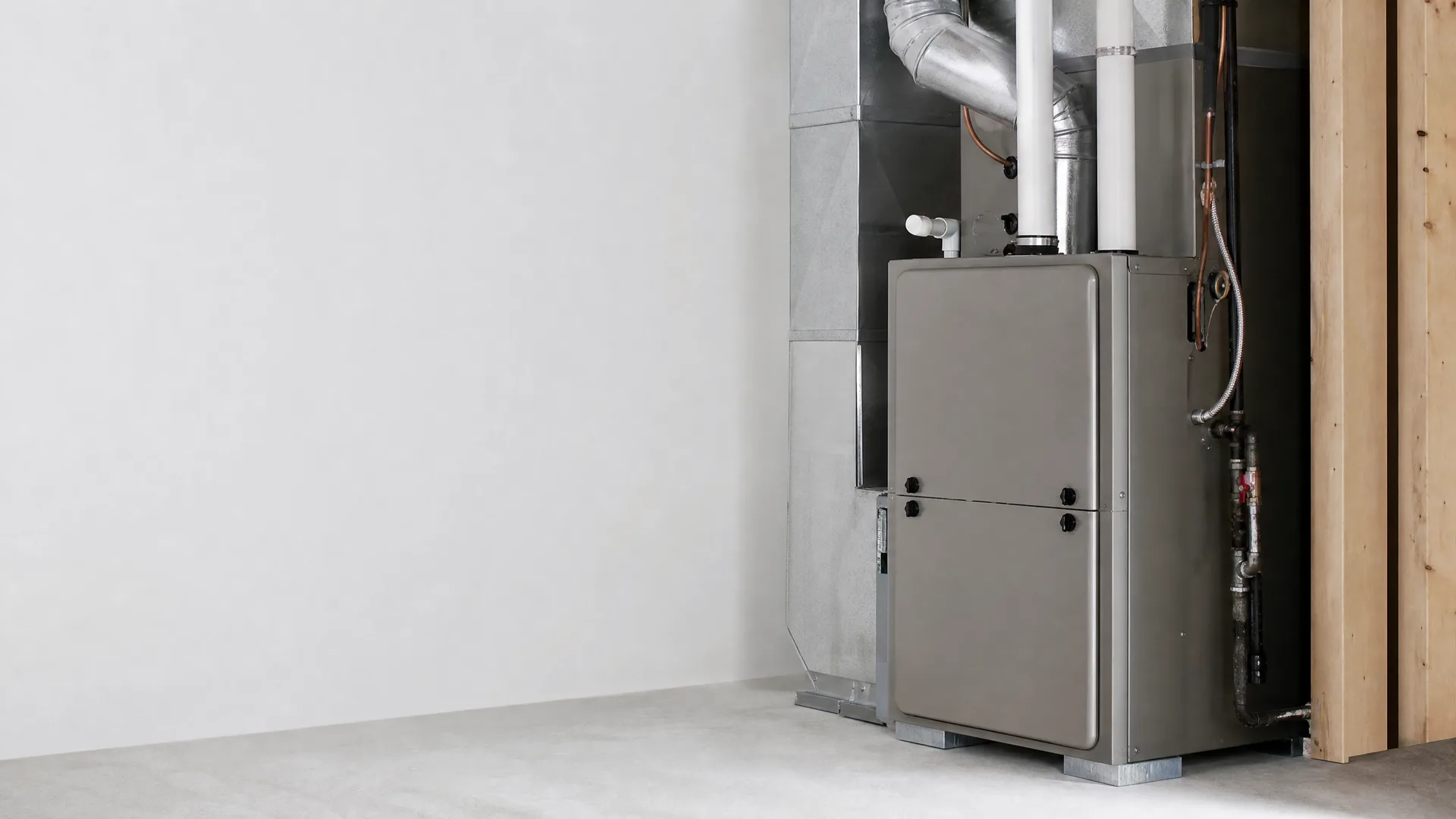
A gray high-efficiency furnace with white PVC vent pipes, copper and flexible piping, and galvanized sheet-metal ductwork stands against a wall in a room with a bare concrete floor and plain light-colored wall.

Where the extra efficiency goes

A standard furnace vents hot exhaust straight up a metal flue, and a good share of the heat from burning gas leaves the house with it. A high-efficiency furnace pulls more heat out of that exhaust before it goes outside, which is why the leftover gas cools enough to condense and needs a plastic vent pipe instead of metal. That's the difference an AFUE rating in the 90s is measuring, not a marketing number.

A gray residential furnace with attached sheet-metal ductwork, white PVC vent pipes and copper lines stands against a plain white wall on a concrete floor, beside exposed wooden framing.

What a lower AFUE costs you

An 80 AFUE furnace turns 80 percent of the gas it burns into heat for the house and sends the other 20 percent out the flue. A 95 AFUE furnace only loses 5 percent that way. Over a Hall County winter, with the furnace running for months, that gap in what actually heats the house versus what goes up the vent is what shows up as a lower gas bill.

Winter nights average 17°F

At 17°F, a furnace that cycles longer to hold the house at temperature is burning gas the whole time it runs. Those overnight lows sit there for three months straight, not just on the cold snaps, so the difference between a standard furnace and a high-efficiency one adds up night after night, not once in a while.

NOAA nClimDiv 1991-2020

When the standard furnace makes sense

If the furnace is original to the house and still runs fine, replacing it early just to chase efficiency rarely pencils out on its own. A standard furnace costs less to install, and if your gas use isn't high to begin with, the gap between the two narrows. Venting is simpler too, since it ties into a metal flue already in place rather than needing new PVC pipe run to the outside. For a house that's well sealed, or for someone who won't be in it another ten winters, the simpler unit does the job without asking you to wait longer to see the difference show up.

When paying more up front pays off

A furnace that runs from October through April in Hall County puts a lot of hours on whatever's installed, and those hours are where the higher AFUE rating earns its keep. The longer you plan to stay, the more those monthly differences add up before you'd ever replace the unit again. It also matters if the current furnace is already struggling to keep the house at temperature on the coldest nights, since a high-efficiency unit is built to handle that load without cycling as hard. For someone replacing a furnace that's near the end of its life anyway, the extra cost at install is the moment to decide, not after.

How cold, how long, and how does your home heat here

  • Winter nights average 17°F

    Overnight lows average 17°F through December, January and February, so your furnace isn't just kicking on, it's running long stretches to hold the house at temperature.

  • Heat runs October through May

    Heat runs October through May in Hall County. That's eight months of the year your furnace is the thing standing between you and the cold.

  • 63.7% of homes heat with gas

    63.7% of homes in Hall County heat with gas. The AFUE rating on your furnace decides how much of that gas turns into heat instead of going out the flue.

NOAA nClimDiv 1991-2020 · ACS 2020-2024

A gray-haired man in a blue quarter-zip sweater sits in an armchair with his eyes closed, beside a large window with bare trees outside and a potted plant and lamp nearby.
A woman in a cream knit sweater sits in an armchair indoors, eyes closed and smiling, beside a window showing yellow and orange autumn foliage, with a mug on a wooden side table and shelves holding vases behind her.

Let someone else find the pro

You've read what a high-efficiency furnace does with the gas it burns and where a standard one still makes sense. Figuring out which side of that line your house falls on means someone actually looking at your ductwork, your venting, and what your current furnace is costing you to run through a Hall County winter. That's not something you work out from a brochure. You could spend the next few evenings calling furnace installers around Grand Island, explaining your situation to each one, and waiting on callbacks to compare what they tell you. Or you can send this request once and let a contractor who installs these furnaces locally look at your actual setup and tell you straight whether the higher AFUE pays for itself in your house. Either way the decision gets made. One way, you're the one chasing it down through October.

How the burner and blower work together

  • A two-stage or modulating burner adjusts how much gas it fires instead of just switching fully on or off.
  • That lets the furnace run at a lower output most of the time and ramp up only when the house really needs it.
  • A variable-speed blower motor changes fan speed to match the burner's output instead of running at one fixed speed.
  • Running longer at lower output keeps the house at a steadier temperature than a furnace cycling fully on then off.
  • The secondary heat exchanger is what pulls the extra heat out of the exhaust before it vents out through the PVC pipe.
  • A single-stage standard furnace only has full on or full off, so it has to cycle more often to keep up.

A standard furnace has one gear. The burner is either firing at full output or it's off, and the blower matches it, full speed or nothing. A high-efficiency furnace splits that into stages, or in a modulating model, into a range it can adjust on its own. Most of the time it's firing at a lower output, and the blower is running at a matching lower speed, moving air steadily instead of in bursts. When a January morning pushes the house below setpoint, it ramps up to meet that, then settles back down once the house catches up. That's why a high-efficiency furnace feels different standing next to the vent. The air coming out is more constant instead of the on-off blast a single-stage furnace puts out.

The other piece is what happens to the exhaust. In a standard furnace, the hot gas from burning goes straight up the flue and out, taking a good share of its heat with it. A high-efficiency furnace routes that exhaust through a second heat exchanger first. By the time the exhaust leaves through the PVC pipe, it's given up most of its heat to the air moving through the system. That's the mechanical reason a two-stage or modulating furnace with a secondary heat exchanger uses less gas to hold the same temperature a single-stage furnace is cycling hard to reach. The parts cost more to build, but they're doing two separate jobs a standard furnace's single burner and single heat exchanger weren't built to do.

A gray high-efficiency furnace stands on a concrete basement floor beside galvanized sheet-metal ductwork, white PVC vent pipes, copper and black piping, and unfinished wood stud framing.
A high-efficiency furnace ties into PVC venting and a condensate line, and when it's set up right, it holds the house steady through the coldest stretch without strain.
A gray furnace with two access panels stands on a concrete basement floor beside sheet-metal ductwork, with pipes, flexible conduit and an electrical box on the concrete wall to the left.
A furnace in trouble still looks like this from the outside, which is why a noisy burner or a short-cycling unit needs a look from someone who knows what's behind those panels.
A man in a navy sweater reclines with closed eyes in a beige armchair in a living room, with a lamp, wooden cabinet, bookshelf, potted plant, and a side table holding a newspaper and mug nearby.
A man in a blue henley shirt reclines on a leather chair with his eyes closed, beside a window, a houseplant, a side table with a newspaper and a dark mug.
A man in a gray sweatshirt reclines with his eyes closed in a dark leather chair, with a bookshelf behind him and a side table holding folded newspapers, a mug, and a potted plant by a window.
A man in a blue sweater leans back on a brown leather chair with his eyes closed and a slight smile, in a room with bookshelves, framed pictures, a potted plant by a window, a folded newspaper and a dark mug on a table.

A high-efficiency furnace costs more to install than a standard one, and whether that gap is worth it comes down to your gas use, how old your current furnace is, and how long you plan to stay in the house. There's no single right answer for every house in Hall County, only the one that fits yours. What's harder to put a number on is the work of sorting that out yourself: finding a contractor who'll actually look at your ductwork and venting instead of quoting over the phone, calling around to a few more to compare, and explaining the same details about your furnace each time you do. Once that part is handled, what's left is a straight look at your house and a straight answer about which furnace makes sense for it. You've already got the facts that matter. What's left is matching them to your house, and that's the part worth having someone else carry.

A shingled two-story house with lit windows and stone accents at dusk, with a stone paver walkway and landscape lighting leading past ornamental grasses toward a calm bay under an orange and blue sky.

Furnace Installation

One request and it's handed off

Step 1 of 3: Equipment
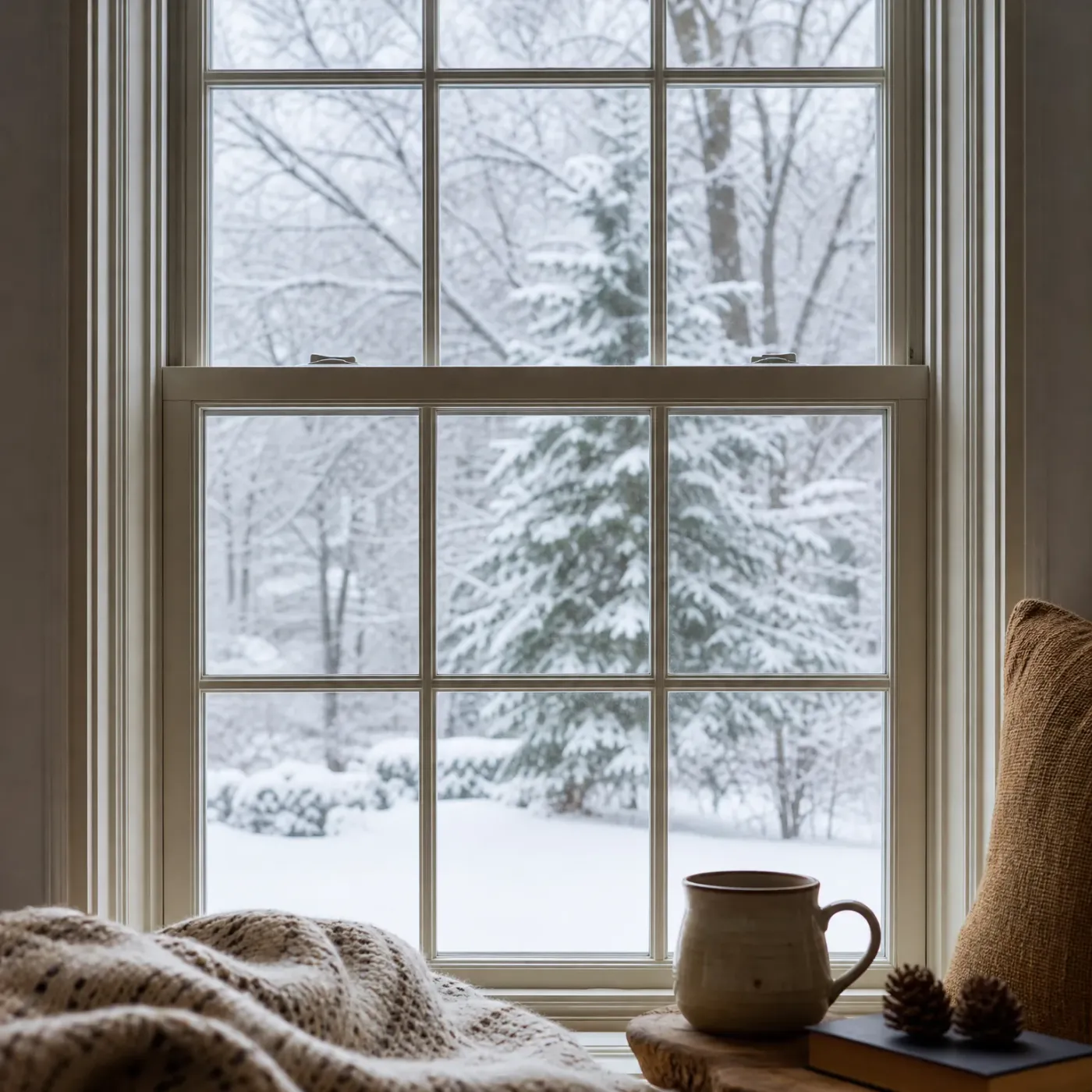
  • A multi-pane white window looking out on snow-covered evergreen and bare trees, with a ceramic mug, pine cones, a book, a knit blanket and a burlap cushion in the foreground.
    • Your new furnace project goes to an installer who works in Hall County.
    • Get matched with someone who does this kind of work in Hall County.
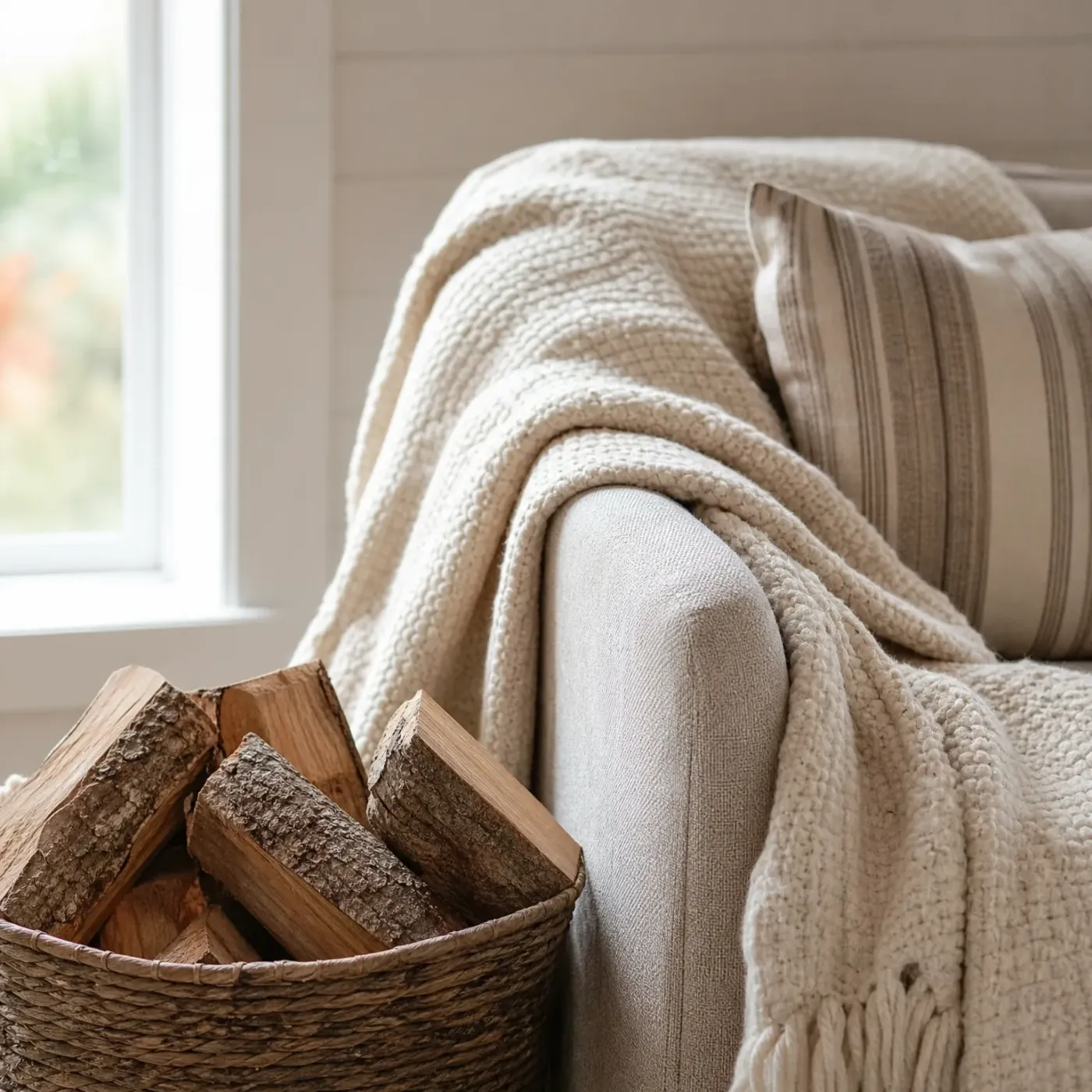
  • A cream knit throw and striped pillow on a light upholstered sofa beside a window, with a woven basket of split firewood in the foreground.
    • After you send the request, you're done searching.
    • Send the request and finding a pro stops being your problem.
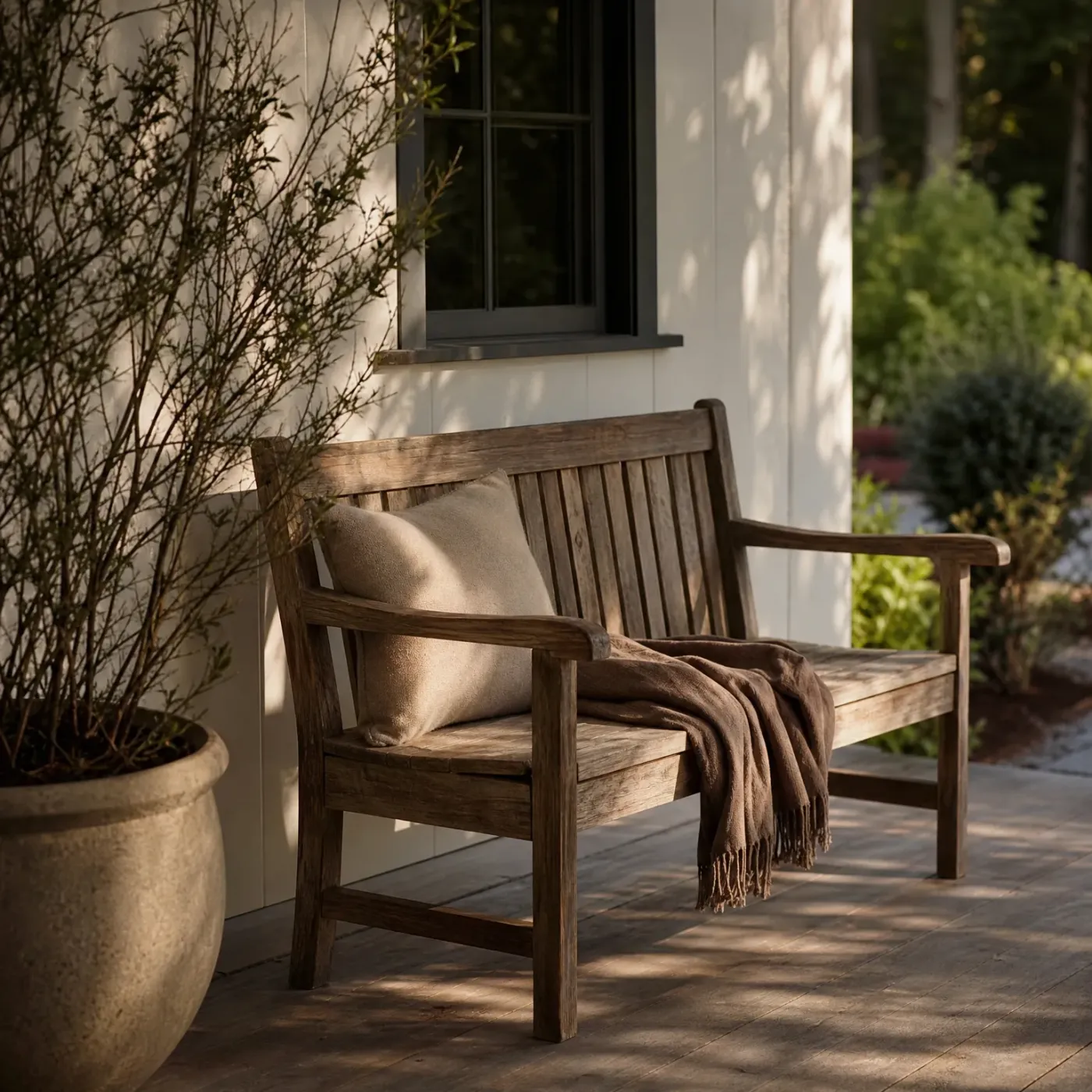
  • A weathered wooden bench with a beige cushion and a fringed brown throw sits on a wood-plank porch beside a large planter with a thin-branched shrub, against a light-colored house wall with a dark-framed window.
    • Describe the project once instead of to every installer.
    • Explain the job once and skip repeating it on every call.
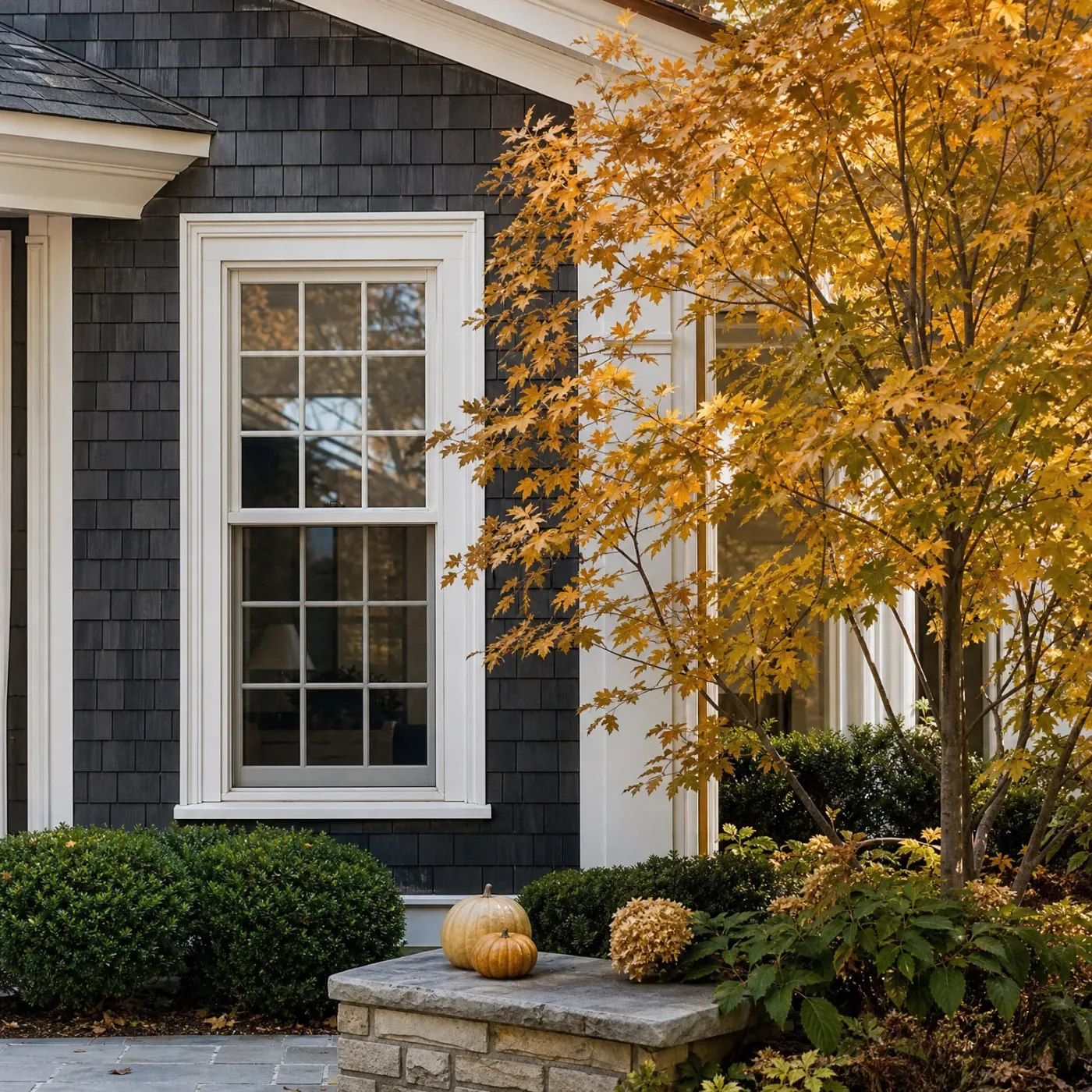
  • Exterior of a dark shingle-sided house with a white-trimmed divided-light window, a yellow-leaved tree, trimmed shrubs, and two small pumpkins on a stone pillar cap.
    • A licensed installer who works in Hall County gets your project.
    • The pro who gets in touch is licensed in Nebraska and works in Hall County.