
Tell us about the job
Takes about a minute. No obligation.
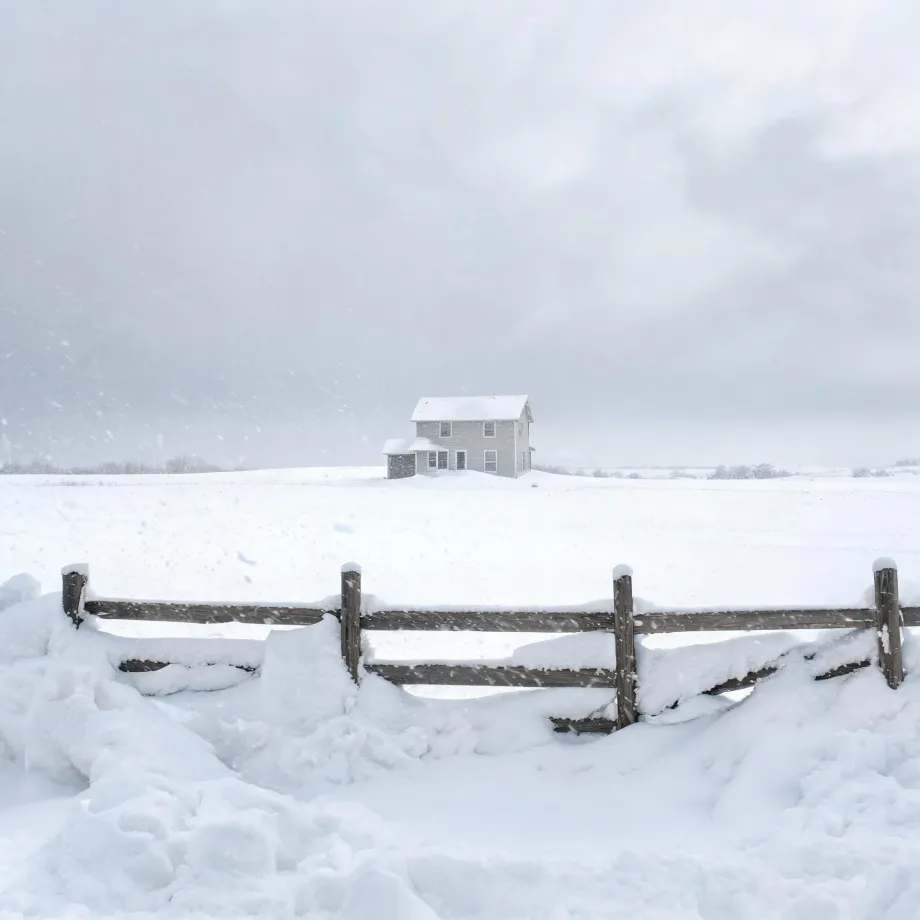
Sizing a furnace for a Garden County home means accounting for a long stretch of real demand on the burner, the heat exchanger, and the ignition system. Homes in Garden County, NE run heat about eight months a year, from October through May. A contractor working out the right equipment for this house has to run a load calculation that fits the actual envelope, because a system that is even modestly undersized cycles harder and more often across those active months, and the heat exchanger carries that stress directly. Flue venting, combustion air, and duct capacity all get confirmed before anything is ordered.
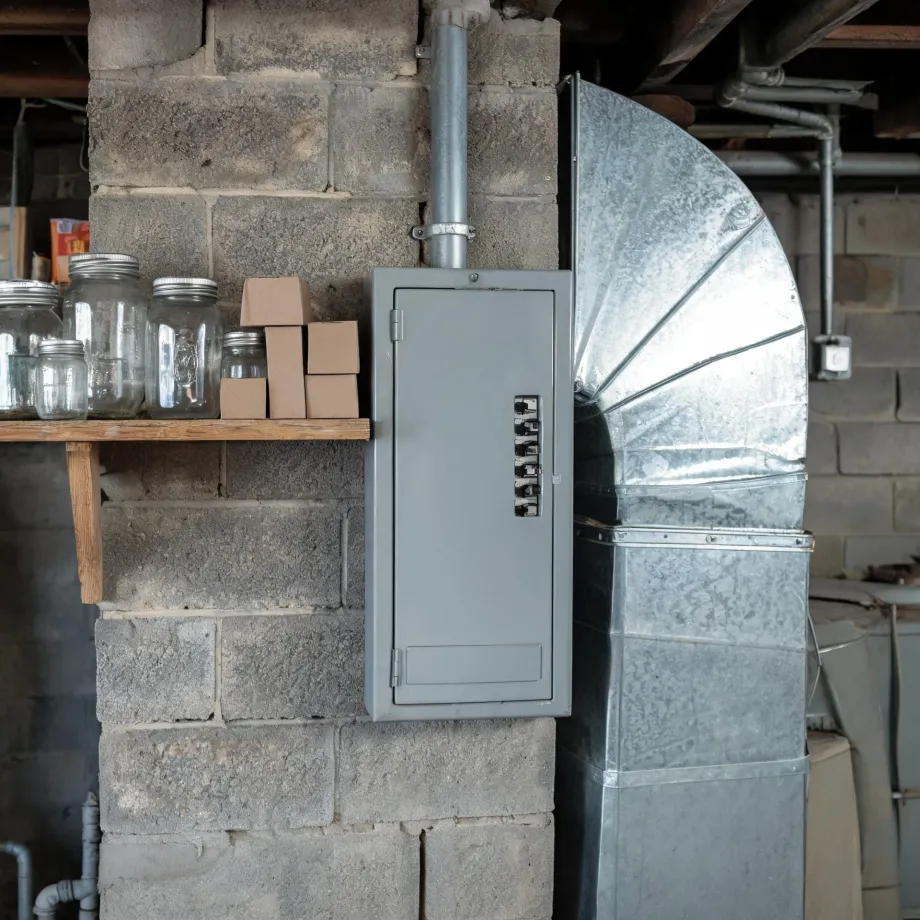
Ductwork laid out for a furnace that has long since been replaced was sized around that furnace's output and airflow, and a new unit does not simply inherit those numbers. Half the homes in Garden County, Nebraska were built in 1953 or earlier (2020-2024 ACS 5-year). That depth of housing stock means the ducts in a substantial share of Garden County homes were designed around equipment whose specifications differ from anything a contractor is installing today. Before a unit is ordered, a contractor measures what the existing duct runs can actually move, because a mismatch there decides how the installation goes, and whether any of the ductwork gets replaced alongside the furnace.
What Gets Installed With a New Furnace
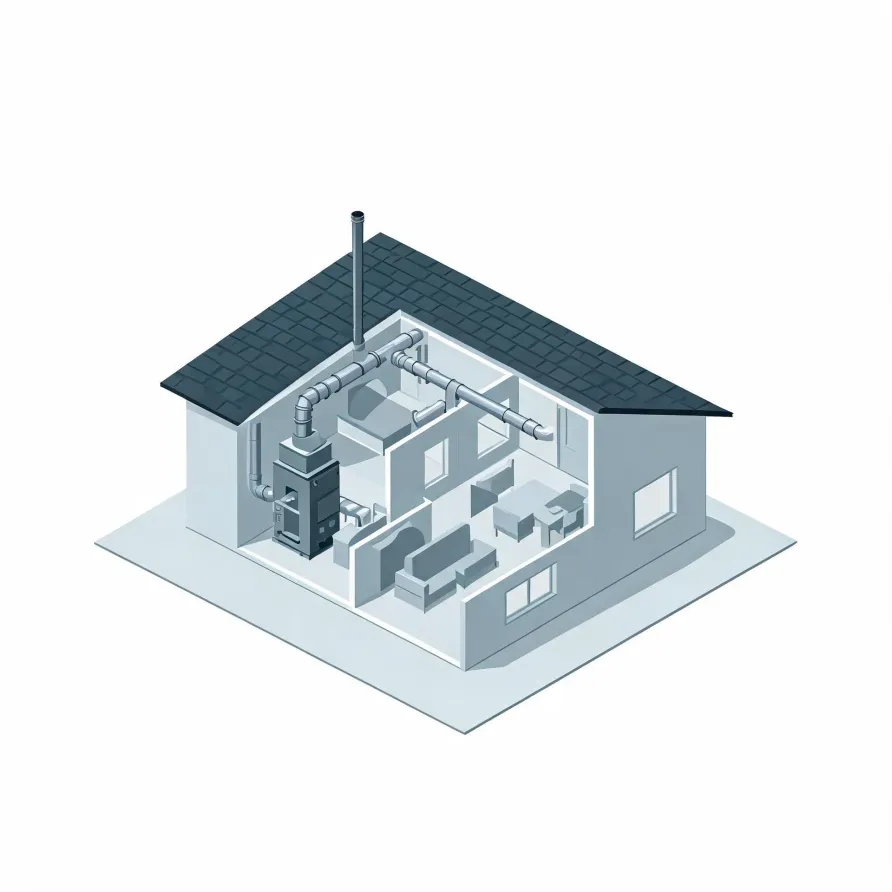
The furnace itself sits in a basement, utility room, or mechanical closet and is the unit a homeowner is most likely to recognize on sight. Inside it, a burner assembly and a heat exchanger do the core work of producing heated air. A blower motor, housed in the same cabinet, pushes that air outward.
The flue pipe runs from the furnace to an exterior wall or through the roof, carrying combustion exhaust out of the house. Alongside it, a thermostat mounts on an interior wall and serves as the control point for the whole system, telling the furnace when to fire and when to stop.
The drawing shows a typical layout, and a licensed contractor determines exactly what applies to your home.
Get matched in Garden CountyGarden County, Nebraska, by the numbers
167 severe weather events were recorded in Garden County, Nebraska between 2015 and 2024.
NOAA National Centers for Environmental Information, Storm Events Database, bulk CSV export, events 2015-01-01 through 2024-12-31.Half the homes in Garden County, Nebraska were built in 1953 or earlier (2020-2024 ACS 5-year).
U.S. Census Bureau, 2020-2024 American Community Survey 5-Year EstimatesGarden County, Nebraska holds 1,173 housing units (2020-2024 ACS 5-year).
U.S. Census Bureau, 2020-2024 American Community Survey 5-Year EstimatesOwners occupy 78.7% of the occupied homes in Garden County, Nebraska (2020-2024 ACS 5-year).
U.S. Census Bureau, 2020-2024 American Community Survey 5-Year EstimatesCodes & Standards Governing Furnace Installation in Garden County, Nebraska5 sourced rules and standards
What the Installation Actually Looks Like
Non-weatherized gas furnaces manufactured on or after November 19, 2015 must reach 80.0 percent AFUE.
Non-weatherized oil-fired furnaces manufactured on or after November 19, 2015 must reach 83.0 percent AFUE.
Mobile home gas furnaces manufactured on or after November 19, 2015 must reach 80.0 percent AFUE.
Non-weatherized gas furnaces manufactured on or after December 18, 2028 must reach 95.0 percent AFUE, up from the 80.0 percent minimum that applies to units manufactured before that date.
Licensing Rules for Garden County, Nebraska
Nebraska requires registration rather than a licence: a contractor must be registered with the Department of Labor before performing any construction work, though anyone earning less than five thousand dollars a year from construction services is not a contractor under the Act at all.
Severe Weather Events in Garden County
Weather in Garden County puts real demands on heating equipment, because a furnace that struggles through hard winters wears faster and costs more to run. What happens outside shapes what a contractor specifies when installing a new system here.
167 severe weather events, 2015–2024. Source: NOAA National Centers for Environmental Information, Storm Events Database.