




Why your furnace smells like burning in Nebraska

Step 1 of 3: Equipment

Why does my furnace smell like it's burning?

A gas furnace that kicks on after sitting idle for months in the Nebraska heat can carry a burning smell with it, and that first run of the season is exactly when a lot of people notice it. Sometimes it's nothing. Sometimes it's dust burning off a hot heat exchanger. But a smell that lingers past the first few minutes, or comes back every time the furnace runs, means something inside is overheating and needs a look before the cold really sets in.

Usually dust burning off, but not always

A furnace that's been off all summer collects dust on the burners and heat exchanger, and the first few cycles each fall burn that off. That smell should fade within ten or fifteen minutes and not come back. If it doesn't fade, or if it smells sharper, like hot metal or burning plastic, something else is going on. A clogged filter can starve the furnace of airflow and overheat the heat exchanger. A failing blower motor can do the same. Either one is worth a repair call before your furnace runs flat out all winter on gas heat. A burning smell that keeps showing up isn't something to wait out.

A gray-haired man in a dark long-sleeve shirt sits on a gray sofa in a living room, looking toward a sunlit window with sheer curtains.
A gray-haired man in a dark green sweatshirt sits on a sofa in a living room, looking toward a bright window, with a houseplant, lamp, fireplace and framed art behind him.
A gray-haired bearded man in a dark green collared sweater sits on a sofa in a living room with a window, houseplant, floor lamp and bookshelves, looking off to the side.
A gray-haired man in a dark green sweater sits on a sofa in a sunlit living room, looking off to the side, with a framed landscape painting, dining table and shelving behind him.

Is this just dust burning off, or something else

A furnace that's been sitting since spring will smell like dust for the first ten or fifteen minutes it runs, then it should fade. If the smell is still there after that first cycle, or it comes back every time the furnace kicks on, that's not dust anymore. A burning smell paired with a rattle, a clicking you haven't heard before, or a short cycle where the furnace shuts off before the house warms up points at something inside working harder than it should. A sharp, plasticky smell is different from a dusty one, and it usually means wiring or a motor, not a coating of summer dust on the heat exchanger. Left alone through a Nebraska winter, that kind of problem tends to get worse, not better.

  1. Dust sitting on the heat exchanger since spring burns off first.

  2. Burners fire and the heat exchanger starts to warm up.

  3. A dirty burner or clogged filter starves the flame of air.

  4. Starved flames burn dirty and leave soot on metal surfaces.

Dust Burning Off or Something Worse

Dust burning off

  • The smell shows up in the first ten or fifteen minutes the furnace runs and then it fades on its own.
  • It happens once, usually on the first cold morning you run the furnace after months off.
  • The smell is faint, like dust on a hot surface, not sharp or sour.
  • Turning the furnace off and back on the next day, the smell doesn't come back.
  • Nothing else is different. No soot, no headache, no smell anywhere else in the house.

Something to have checked

  • The smell is still there after the furnace has been running for fifteen minutes or longer.
  • It comes back every time the furnace cycles on, not just the first run of the season.
  • The smell is sharper, like burning plastic or something electrical, not plain dust.
  • You notice soot near the vents or a smell that reaches other rooms in the house.
  • Anyone in the house gets a headache or feels sick while the furnace is running.
  • A local contractor who works on furnaces all winter in Nebraska can trace the smell to the actual part, whether that's a dirty burner, a clogged filter, or wiring.
A gray furnace cabinet in a basement with sheet-metal ductwork, white PVC vent pipes, and black gas piping against a concrete wall and wood-framed partition on a bare concrete floor.

The furnace running clean

Flames burn steady on a clear burner, air moves through the plenum without resistance, and the only smell is the brief dust smell on that first cold morning. The duct connections stay tight and the metal shows no rust or scorching.


A gray metal furnace with two white PVC vent pipes stands on a concrete floor beside galvanized sheet-metal ductwork in a basement or utility space with wood framing.

The furnace in trouble

Rust has started eating at the cabinet and the plenum connection, and a furnace in this shape is more likely to have a cracked heat exchanger or a burner that isn't getting clean air. That combination is what turns a dust smell into something that lingers.

A woman with shoulder-length dark brown hair in a cream knit cardigan sits in an upholstered armchair beside a window, looking off to the side, with a white bookshelf and potted plant blurred behind her.
A woman with dark hair in a bun sits wrapped in a chunky knit blanket on a couch with a child resting his head on her shoulder, eyes closed, beside a lit lamp and bookshelf indoors.

One request and it's handed off

The pro who reaches out is licensed in Nebraska.

No fee to send it, and nothing to sign.

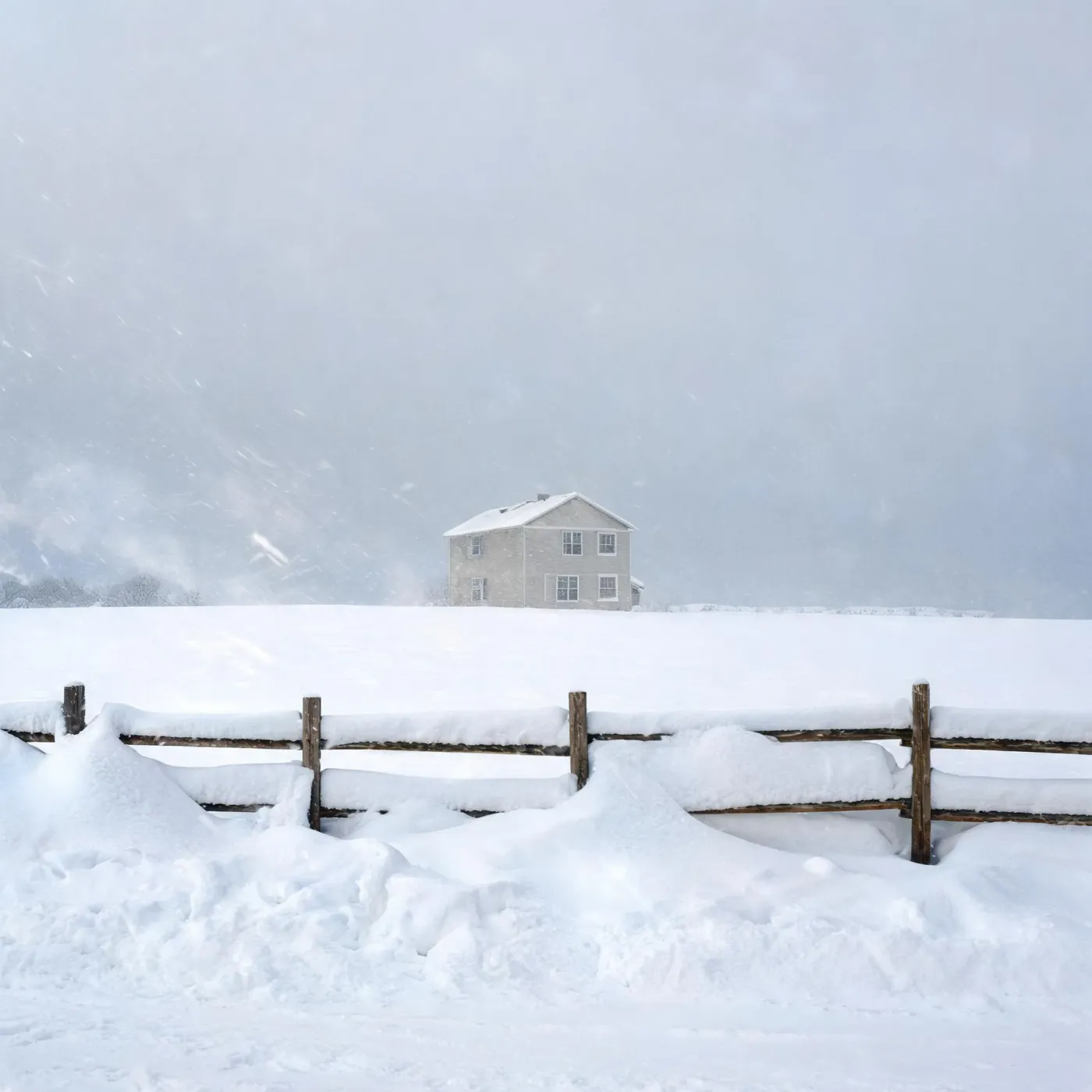
A two-story light-colored house with a snow-covered roof stands on a snowy rise behind a partly buried wooden rail fence during falling snow and low visibility.

Winter nights average 17°F statewide, according to NOAA climate data. That kind of cold means your furnace isn't just running in short bursts in the morning and evening. It's cycling on through the night to keep the house above freezing, and the burners and heat exchanger go through a lot more on and off cycles than they would in a milder state. More cycles means more chances for a dirty burner or a dusty filter to show up as a smell, and it's part of why that first-of-the-season odor sometimes doesn't fade the way it should. If the smell lingers past that first run on a night this cold, the furnace is telling you something.

NOAA nClimDiv 1991-2020 county normals weighted by homes

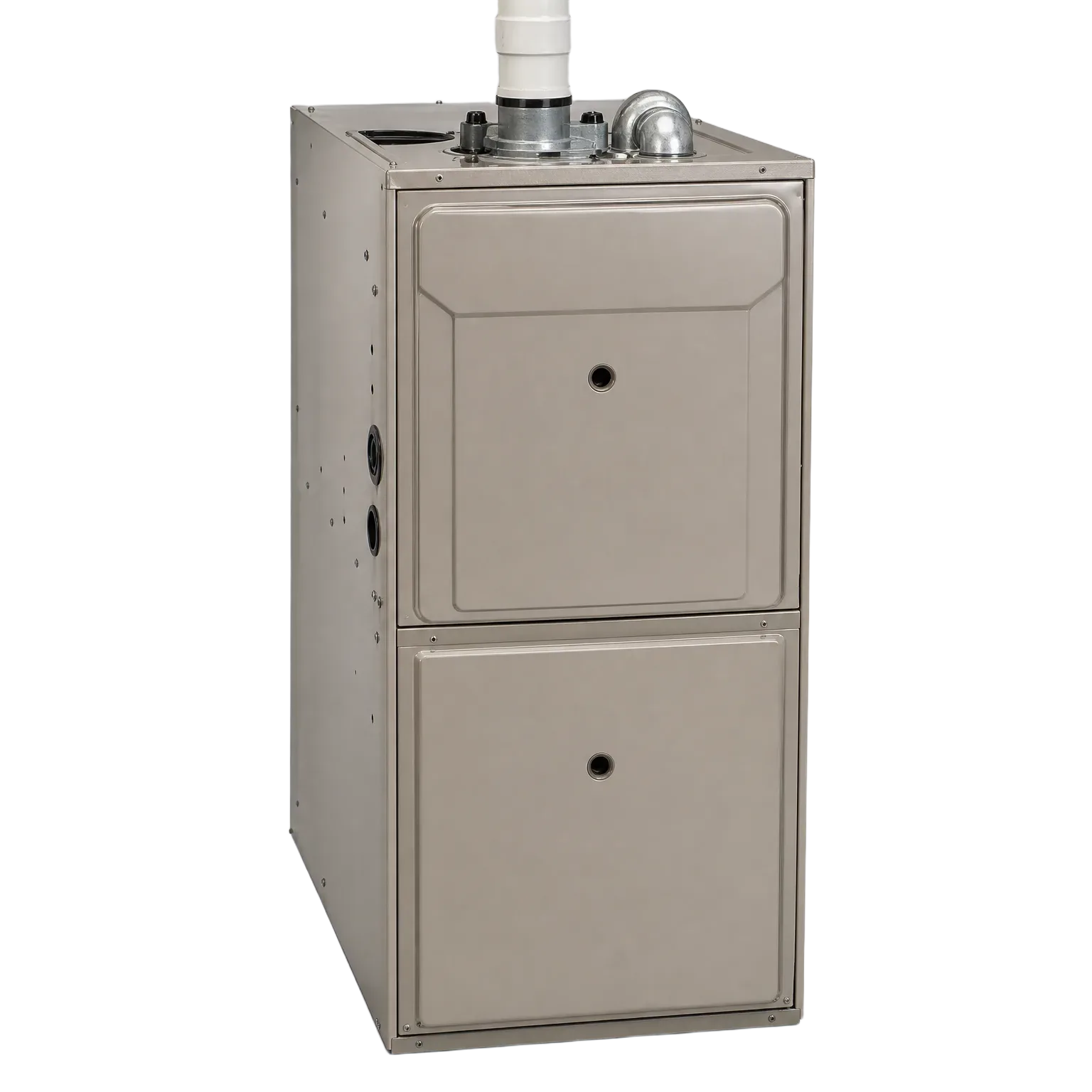
A beige high-efficiency furnace stands on a concrete basement floor beside sheet-metal ductwork, with white PVC vent pipes and a gas line running along an insulated wood-framed wall.
Clean burners and a clear filter let the flame burn blue and even, with no lasting smell once that first dust burns off.
An older metal furnace with a louvered front panel stands against a concrete basement wall, connected to sheet-metal ductwork and a flue pipe, with copper and steel pipes running alongside.
Dust and grime built up over months starve the flame of air, and the smell lingers past that first short cycle instead of fading.

How the firing sequence actually runs

  • The igniter glows or sparks first, then the gas valve opens a fraction of a second later.
  • A flame sensor confirms the burners lit, or the furnace shuts itself down within seconds.
  • The draft inducer motor pulls exhaust through the heat exchanger before the blower ever turns on.
  • The blower waits about 30 seconds so the heat exchanger warms up before it pushes air through your vents.
  • A cracked heat exchanger can leak exhaust into that same air stream instead of venting it outside.
  • The limit switch shuts the burners off if the heat exchanger gets hotter than it should.

Every cycle follows the same order, and knowing it tells you where a smell is coming from. The igniter comes on first, either glowing hot or sparking, and the gas valve only opens once that's ready. Gas lights, and within a few seconds the flame sensor has to detect that it actually caught. If it didn't, the furnace shuts down rather than letting gas keep flowing unlit. Only after the burners are confirmed lit does the draft inducer motor start pulling the exhaust through the heat exchanger and out the vent pipe. The blower that pushes warm air into your rooms doesn't start right away. It waits roughly half a minute so the heat exchanger has time to come up to temperature first, which is also why that first burst of air can carry a stronger smell than the air that follows. The heat exchanger is the metal chamber the flame heats from inside, and it's supposed to keep the exhaust completely separate from the air blowing through your ducts. A crack in that metal lets exhaust mix into the air headed for your vents instead of going outside, which is a different problem than dust burning off and won't fade on its own. A limit switch is the backstop: if the heat exchanger runs hotter than it should, it cuts the burners before anything downstream gets damaged. Every one of these steps happens in under a minute, and a furnace working correctly moves through all of them without you noticing.

A beige gas furnace in a basement with a metal flue pipe, galvanized sheet-metal ductwork to its left, and gas and water pipes along the concrete wall to its right.
Before you get your furnace repair
A gray high-efficiency furnace with white PVC vent pipes stands on a concrete pad in a basement, beside sheet-metal ductwork, copper piping and a poured concrete wall with wood framing at left.
After you get your furnace repair

17°F average winter night

At that temperature your furnace runs long cycles through the night, not short bursts. A dirty burner working that hard builds up soot faster than it would on a mild night.

Send it today

One cycle, then gone

A clean furnace smells like dust for ten or fifteen minutes on that first run and nothing after. Past that window, something is burning that shouldn't be.

Send it today

Winter nights average 17°F statewide

Nebraska nights average 17°F in December, January and February. At that temperature your furnace isn't shutting off after ten minutes, it's running most of the night to hold the house steady. A burner that's dirty or starved for air has a lot more hours to leave soot behind before morning.

NOAA nClimDiv 1991-2020 county normals weighted by homes

A burning smell that fades after the first cycle is dust and nothing more. One that lingers, comes back, or carries a sharper edge means the burners or heat exchanger need a look before the next cold night puts them to work again. You don't have to figure out which one you've got on your own. A local contractor who services furnaces all winter in Nebraska has seen both plenty of times and can tell within minutes which one you're dealing with. Send the request and it goes to one licensed contractor near you, not a handful of companies competing for your callback, so you're dealing with one name and one visit instead of sorting through strangers. That's someone who knows what a Nebraska winter asks of a furnace and what tends to give out first when a system's been pushed hard since fall. Whatever the smell turns out to be, you'll know, and you'll know it from someone qualified to say so.

Corner of a room with a white window at left, a white fireplace mantel with dark stone surround at right holding a weathered clay vase of leafy branches, and a cream upholstered sofa with a knit throw and tan pillow in the foreground.
A cushioned window seat with a brown lumbar pillow beside a white-framed window overlooking green trees, next to built-in cream cabinetry with shelves holding ceramic vessels and a wooden bowl.
An entryway with a dark wood console table holding a stone vase of olive branches and a shallow wooden bowl, a woven basket on the lower shelf, a framed landscape print on the wall, and a glass-paned wood door at left.
A wooden vanity cabinet with dark knobs and a beige stone countertop holding a round terracotta vase with leafy branches, beside a wood-framed mirror and a white sink.
Sunlit room corner with wide-plank oak flooring, white baseboard molding and beige walls, a window at left showing green trees, and a dark cabinet at right topped by a stone vase holding a leafy branch.

It's off your list after this

Your request stays with one local pro.

Reach a local pro

You're not committing to anything by asking.