 Skip the calls
Why one room stays cold in a Nebraska winter
Answer a few questions instead of calling shop after shop.
One room runs cold while the rest of the house is fine. That usually means the furnace isn't the whole story. A closed or blocked vent, a duct run that got crushed or disconnected somewhere in the attic or crawlspace, a return that can't pull enough air, or a room that's just far from the furnace and losing heat along the way. Sorting out which one it is means someone has to actually look at the ductwork and airflow in your house, not guess from a list of possibilities.
Nebraska winters push a furnace hard for months at a time, and a system that's a little out of balance shows it in the room that was always going to be the weak point, whether that's a bonus room over the garage or a bedroom at the end of a long duct run. Gas heat here is doing real work most of the year, and a furnace that's running fine everywhere else but losing one room is often just a sign the airflow needs rebalancing, not that anything is broken.
Finding someone to look at this usually means a string of phone calls: searching for a contractor, explaining the cold room and the layout of your house to each one, waiting on callbacks, then comparing a few quotes that may not even be for the same fix. That's the part that eats an afternoon.
Here, you're matched with one licensed contractor local to Nebraska, someone who works on furnaces and ductwork through the winter and has a feel for which rooms tend to run cold and why. You explain your house once, to the person who's going to look at it, not to three companies at once. No flood of calls from competing bids, just the one contractor who's going to get to the bottom of that cold room.
A cold room in a house that's gas heated usually comes down to air not reaching that room, not the furnace failing. The furnace fires and runs fine for the rest of the house, but the path to that one room is losing heat along the way. Long duct runs out to a far bedroom or a room over the garage lose more heat than short ones, especially if the duct passes through an attic or crawlspace in a Nebraska winter. A register that's partly closed or blocked by a rug cuts the airflow further. So does a duct that's come loose or kinked where it isn't visible. If the room is above a garage or at the end of the duct run, that location is working against it every time the furnace cycles. A contractor can trace the duct run and check airflow at the register to find where the heat is actually being lost.


Skip calling around
A cold bedroom over the garage or at the end of a long run isn't something you fix by guessing. Finding it means someone crawling the attic or the crawlspace in a Nebraska winter to trace the duct, check the register, and see where the air is actually going. You could call around, explain the layout of your house three or four times, and sort through quotes from people who've never seen your furnace. Or you can hand it off once, to a contractor local to you who works on these systems all winter and knows that a cold room in an otherwise warm house almost always traces back to one of a handful of things. They show up knowing what to look for first. You're left waiting on one call back, not fielding five, while that room stays cold in the meantime.
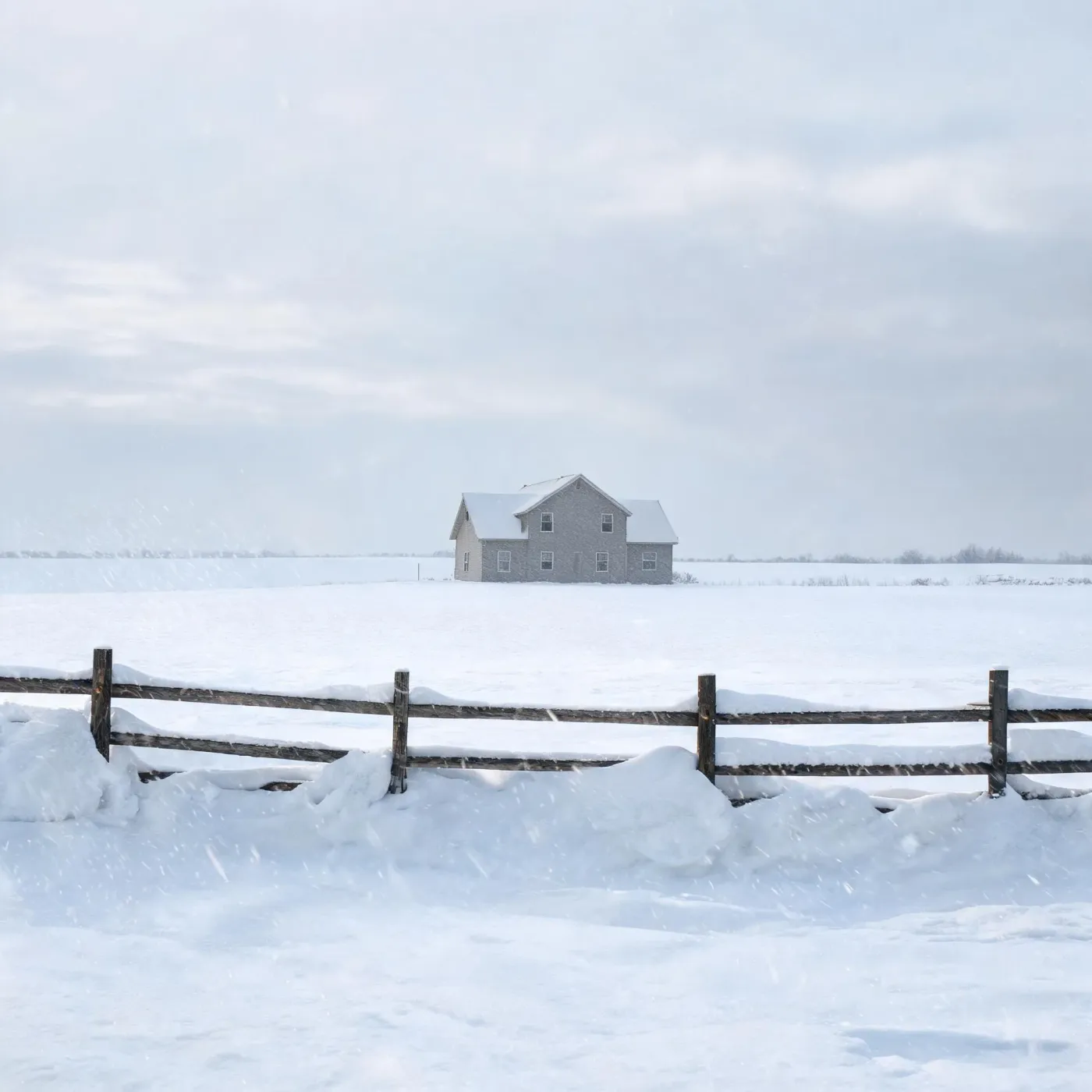
Winter nights average 17°F statewide, according to the National Weather Service. That kind of cold keeps a furnace running long stretches at a time, and long runs are exactly when a weak spot in the system shows up. A duct losing heat along the way, or a register barely pulling air, won't matter much on a mild evening. At 17°F it does, because the furnace has to work the whole night to hold the house, and the room at the end of the worst run falls further behind the longer that goes on. That's often why one room reads fine in October and cold by January.
NOAA nClimDiv 1991-2020 county normals weighted by homes




A furnace that's sized and set up right heats every room off the same trunk line at close to the same rate. If one room lags well behind the rest, the air isn't getting there in the volume it should.
That points to the duct run or the register serving that room, not the furnace itself. A technician who traces it finds the spot where the air is leaking out or getting choked off, and that's the fix, not a bigger furnace.
Winter nights average 17°F statewide
At 17°F, your furnace has to push air the full length of every duct run to keep up. A room at the end of a long run or over the garage feels that cold first, because the heat has farther to go before it gets there.
NOAA nClimDiv 1991-2020 county normals weighted by homes

One cold room, one answer
A room that stays cold while the rest of the house is warm points to the duct feeding it, the register, or the return, not the furnace itself. That's true whether it's a bedroom over the garage or the last room off a long trunk line. Finding which one it is means someone getting into the attic or crawlspace to trace the run and check it against the rest of the house.
That's the part worth handing off. Instead of calling around to find someone who'll take on a crawlspace in a Nebraska winter, you're matched with one local contractor who works on furnaces and ductwork in homes like yours all season and knows where a cold room usually traces back to. You explain it once, to the person who's going to fix it.



Furnace Repair
Describe it once
The pro who reaches out is licensed in Nebraska.
