Skip the search
When a furnace flame sensor needs cleaning in Nebraska
A dirty flame sensor is one of the most common reasons a gas furnace runs for a few seconds then shuts off, and it's easy to miss during a hard Nebraska winter when the furnace runs every day. This page gets into the signs that sensor needs attention, rather than you calling around Nebraska furnace companies, repeating the same symptoms to each one, and weighing quotes that all sound different.
Start one formA furnace flame sensor needs cleaning once a year, usually right before it has to run every day. Here that means sometime in early fall, before the furnace is carrying the whole house through a Nebraska winter. The sensor is a thin metal rod near the burner that tells the furnace a flame is actually lit. Over months of burning gas, it builds up a layer of soot and oxidation. Once that coating gets thick enough, the sensor can't read the flame anymore, even though the flame is right there burning fine. The furnace shuts itself off as a safety check, then tries again, then shuts off again. If your furnace lights, runs for under a minute, and cuts out, on repeat, that buildup on the sensor is almost always why. Catching it before the cold settles in means fewer of those shutoffs on the nights you're relying on the furnace most.


The flame sensor works by proving to the control board that the burner actually lit. A thin coat of soot or oxidation on the rod is enough to break that signal.
Once the rod can't prove a flame, the board shuts the gas valve as a safety step, even though the burner was working fine. That's the short-cycling you're seeing, not a failing furnace.


The flame sensor sits in the burner compartment a few inches from the igniter, right in the path of the flame. A technician checking it will often pull a flame current reading, usually just a few microamps, to see whether the rod is sensing the fire the way it should. A low reading points to a coated rod even if the furnace is still running. Cleaning it means taking the sensor out and working the rod over with fine steel wool or emery cloth until the gray or black film is gone. That coating is what breaks the signal to the control board in the first place. A furnace that fires, runs a few seconds, then shuts off and tries again is usually a sensor that can't prove a flame. The board allows three or four of those tries before it locks out and waits to be reset. One detail matters on the way back in. The sensor has to seat fully in its bracket, because even a slightly loose fit can hold it just far enough from the flame to cause the same shutdown all over again.
How a Technician Checks the Sensor
- The flame sensor sits in the burner compartment, a few inches to the side of the igniter, directly in the flame's path.
- A furnace technician checks for a flame current reading, usually a few microamps, to confirm the sensor is reading the fire correctly.
- Cleaning the rod means removing it and going over it with fine steel wool or emery cloth until the gray or black coating is gone.
- A furnace that short cycles, running a few seconds then shutting off and retrying, is usually telling you the sensor can't prove a flame anymore.
- The control board gives the furnace three or four tries to prove ignition before it locks out and waits for a reset.
- Reinstalling the sensor without fully reseating it in its bracket can leave it out of the flame enough to cause the same shutdown.




Explain it one time
A licensed local pro takes the request for your furnace tune-up.
One form instead of hunting for a pro who does furnace tune-ups.
You only hire the pro if you want to.
How do you know if your furnace flame sensor needs cleaning?
You've noticed your furnace running for a short burst, then cutting off, then trying again a few minutes later. It might do this two or three times before it finally stays lit, or not at all. You're not sure if that's the flame sensor, the igniter, or something else, and you'd rather know what to look for before you decide whether to clean it or call someone.
Short cycling on startup is the clearest sign
If your furnace fires, runs for five to ten seconds, then shuts off and tries again, that's the flame sensor losing its read on the flame. It will often do this a few times in a row before the board gives up and locks out, showing an error code on some models. You might also notice the burner lighting fine but the furnace shutting down a minute or two later instead of right away, which points the same direction. A furnace that won't stay running through a cold Nebraska night is worth checking before the next cold snap, since the sensor rod is simple to clean but the symptom looks the same as a few other problems a technician would rule out first.


Clean It Yourself or Call Someone
Clean it yourself
- You need the furnace power and gas shut off first, and the panel off to reach the burner compartment.
- The rod has to come out without bending it, and most sit on a single screw that can strip if you force it.
- Steel wool or a rough scrub leaves scratches the flame can't read any better than the soot did.
- If the furnace still short-cycles after cleaning, the next step is a meter check you likely don't own.
- A sensor that's cracked or pitted past cleaning needs swapping for the right part number, not just wiped down.
Have it done
- A technician who services furnaces all winter in Nebraska knows which models have a sensor that's hard to reach without pulling other parts first.
- The flame current gets checked with a meter after cleaning, so you know the number is right instead of guessing the rod looks clean enough.
- One visit covers the sensor along with the rest of what a furnace needs checked before a hard winter here.
- If the rod is too worn to read a flame reliably, a technician carries the replacement and swaps it the same visit.
- You call one local contractor instead of sorting through several, explaining the short-cycling each time you dial another number.
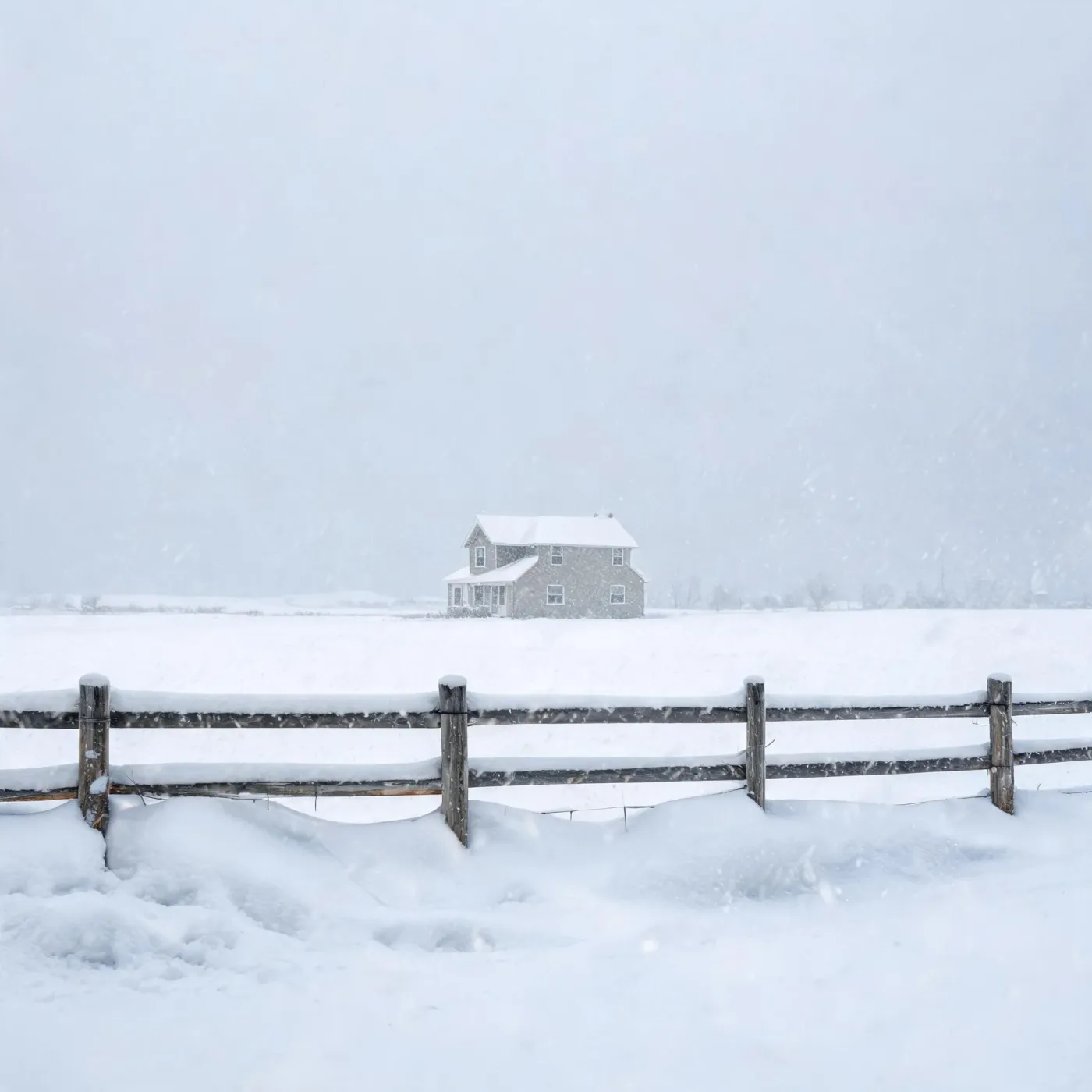
Statewide, winter nights average 17°F, according to NOAA climate data. At that temperature your furnace isn't cycling on for a few minutes here and there, it's running long stretches to keep the house even close to comfortable. A sensor with just a film of soot on it has to prove the flame over and over, all night, every night. That's exactly the condition that makes a marginal sensor fail. You'll notice it as short-cycling that gets worse as the night goes on and the cold deepens, often showing up first around 2 or 3 a.m. when it's coldest outside and the furnace is working hardest.
NOAA nClimDiv 1991-2020 county normals weighted by homes

A clean sensor is a one-year fix, not a guess
A fouled flame sensor explains most of the short-cycling calls that come in once the cold settles in for good. Clean the rod before the furnace has to run every day and it reads the flame the way it should, night after night, without the burner trying two or three times to catch. That's the whole answer. The part is small, the fix is routine, and a furnace that's due for it usually shows you with the on-off-on pattern this page already walked through.
What's left is finding someone who'll actually do it instead of upselling you a new furnace. Rather than calling around to three different companies, describing the same short-cycling pattern three times, and sorting through three quotes that don't line up, you get matched with one licensed Nebraska contractor who checks this part every fall because the state's winters make it necessary. That's someone who already knows where the sensor sits in your model and what a weak flame current reading looks like on the meter, not someone learning your furnace on the clock.

Skip the calls to every shop
Your request goes to one pro, not a list of companies.