How long a furnace lasts in Bellevue, NE

Send the form and stop researching installers for the new furnace.

Let a pro reach out

How long does a furnace last in Bellevue, NE?

Your furnace has been running hard every winter, and you're trying to figure out if it's getting close to the end or if there's still plenty of life left. Before you spend money on repairs or start pricing a new system, it helps to know what a typical lifespan actually looks like for a furnace working the way yours does here in Sarpy County.

A gas furnace in Bellevue typically lasts 15 to 20 years

Most homes in Bellevue and the rest of Sarpy County heat with gas, and a gas furnace here runs 15 to 20 years before it needs replacing. Winters are hard, which means the furnace works long stretches each year to keep up, and that steady demand is what wears down the heat exchanger and the other parts over time. A furnace installed in the last decade or so likely still has good years ahead of it. One installed in the late 1990s or 2000s is probably near the end of that range, and it's worth paying attention to how it's running rather than waiting for it to fail outright in the middle of a cold snap.

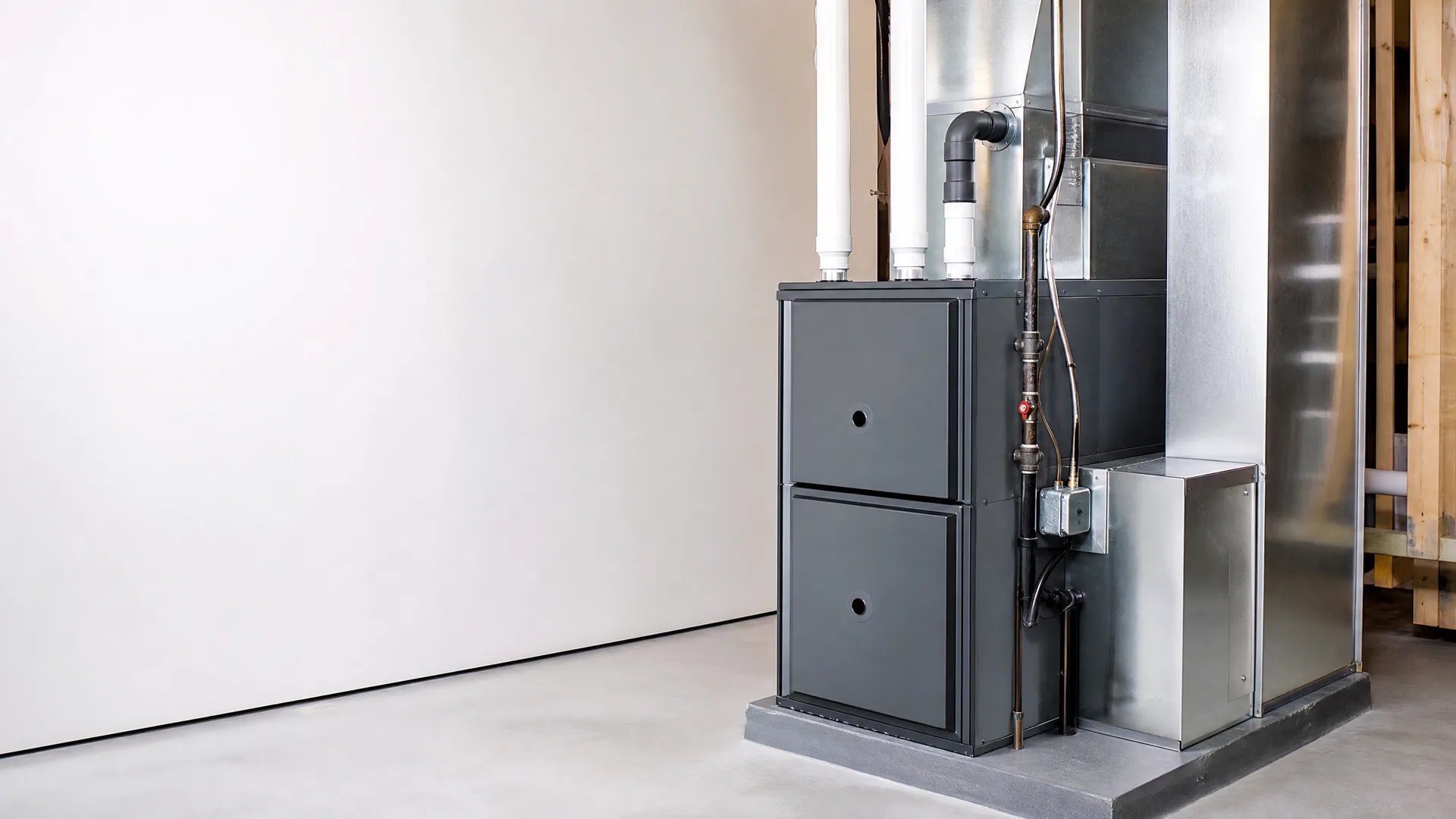
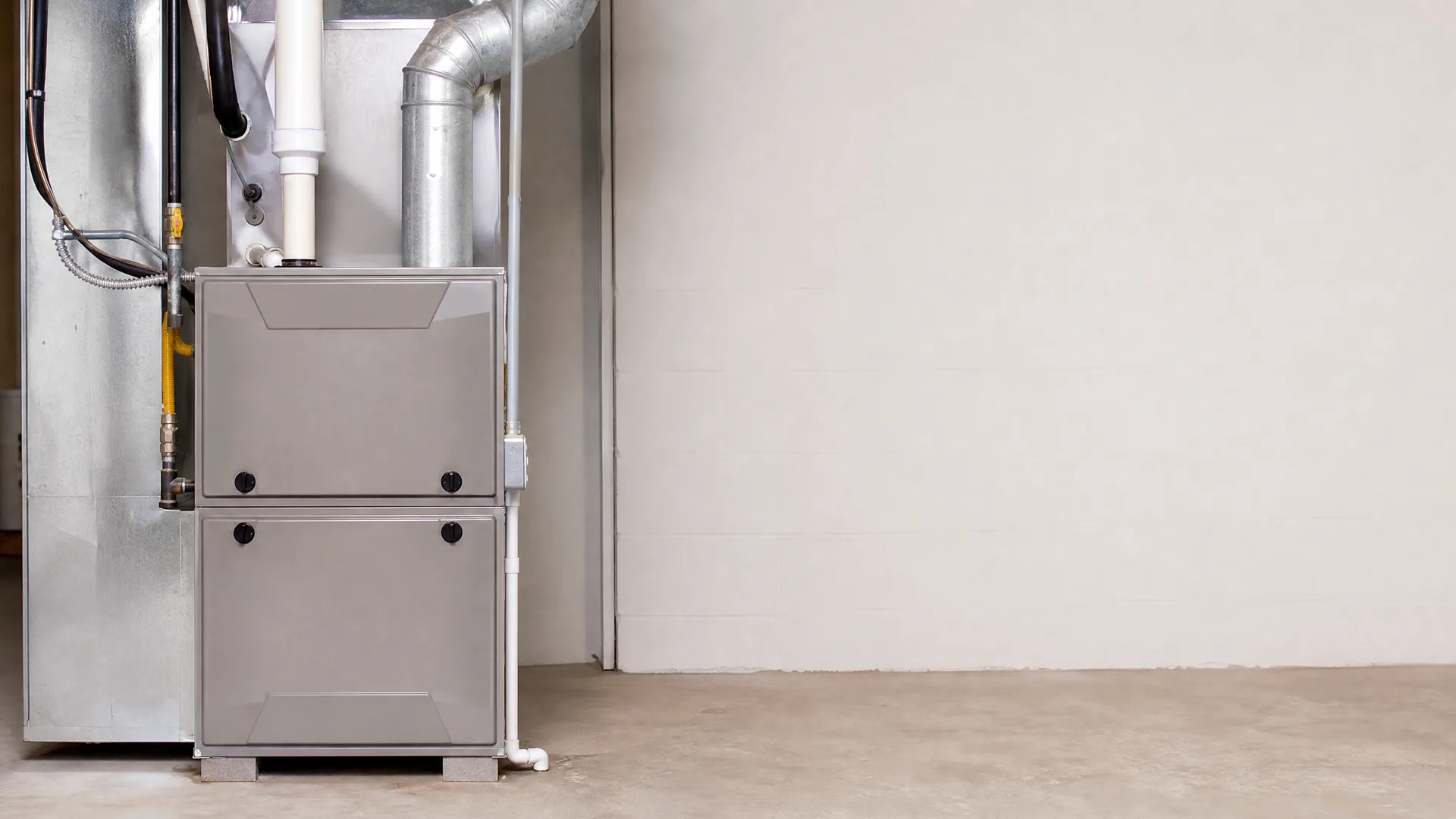
A gray gas furnace with ductwork, PVC venting and gas piping stands against a light-colored wall on a concrete floor, with empty wall space to the right.

Winters here work the furnace hard

A furnace in Sarpy County runs for months straight once the cold sets in, cycling on and off all day to keep up with temperatures that can sit below freezing for weeks at a time. That kind of steady demand wears on the heat exchanger and the igniter faster than a milder climate would. Most gas furnaces are built to hold up for 15 to 20 years, but that number assumes regular service. Skip a few years of maintenance and the hard winters here will shorten that window.

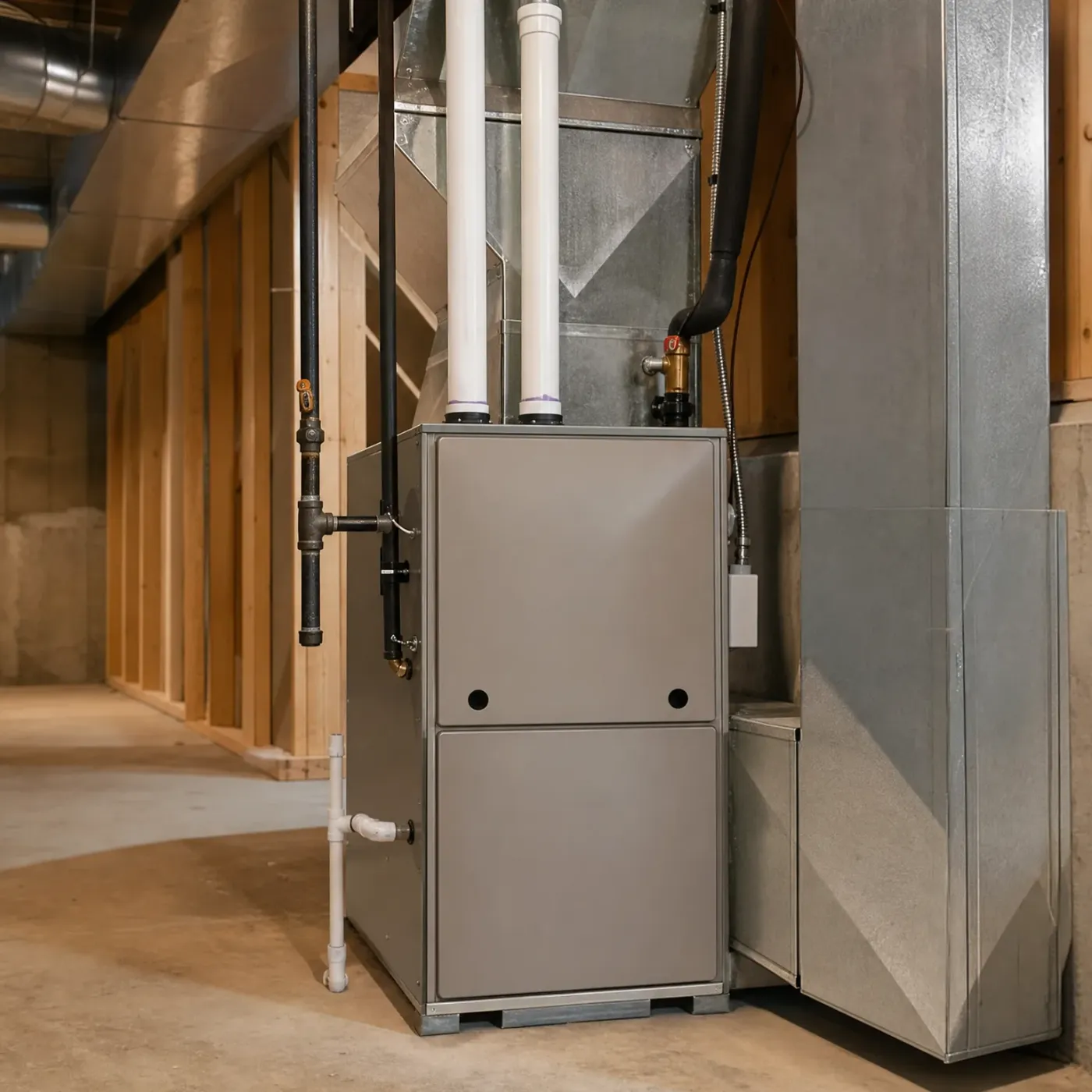
A dark gray furnace with two access panels sits on a concrete pad beside sheet-metal ductwork, white PVC vent pipes, copper gas piping and an electrical junction box against a plain light wall.

What a gas furnace depends on

A gas furnace draws combustion air, lights that gas at the igniter, and pushes heat through a cracked or corroded heat exchanger over time. Once the exchanger starts to go, the furnace isn't safe to keep running, no matter the age on paper. A furnace that's had its filter changed and its burners checked every year often outlasts one that hasn't, even if both were installed the same winter. Gas service here is common and reliable, which keeps a furnace running steady once it's lit.

Repair the Furnace or Replace It

Repair

  • A repair makes sense if the furnace is under ten years old and the fix is a single part like an igniter or a flame sensor.
  • You keep the furnace you already know, and most repairs can be done the same day a technician is out.
  • Repeated repairs in the same winter are a sign the furnace is working against something bigger than one bad part.
  • If the heat exchanger has cracked, repair isn't an option. That part isn't fixed, it's replaced along with the furnace.
  • A repair costs less upfront, but an older furnace that keeps breaking down will cost you again before next winter.

Replace

  • A new furnace comes with a warranty that covers the next several winters, not just the next cold snap.
  • Replacing makes sense once a furnace is old enough that parts for it are harder to find or no longer made.
  • A new furnace is sized and installed to match your home, instead of running on a fix patched onto aging equipment.
  • You stop guessing whether the next cold week will be the one it finally quits for good.
  • Installation takes planning, so deciding before the furnace fails gives you more control over timing than deciding after.
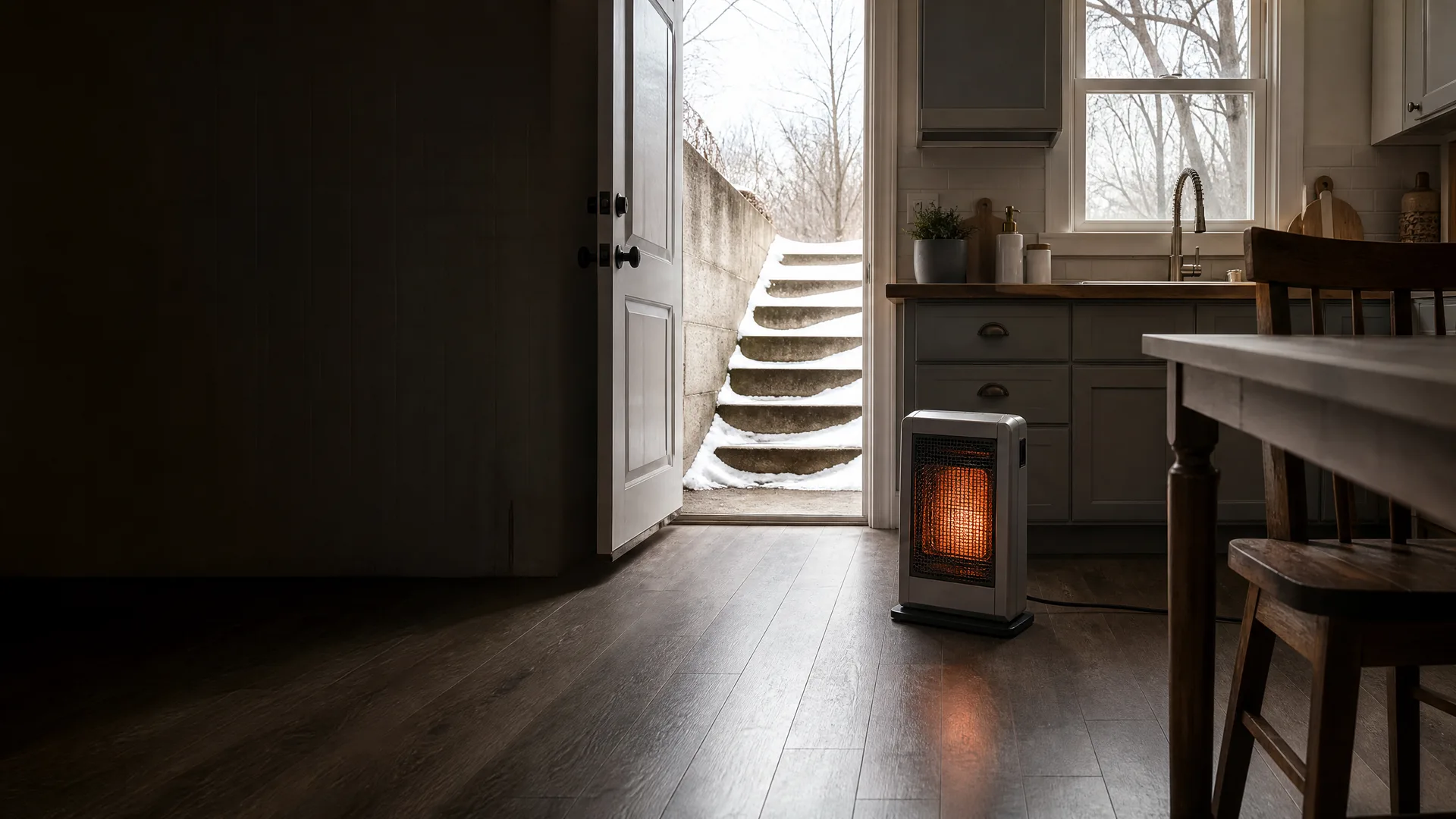
A portable electric space heater with glowing orange elements sits on a dark wood floor near an open exterior door that reveals snow-dusted concrete steps, with a kitchen counter, sink, window and wooden table to the right.

You're up before the rest of the house, and the kitchen is cold enough that you can see your breath near the window. The space heater is pulled close to the table, humming orange, because the furnace hasn't caught since sometime in the night. The basement door is open behind it, you've been down there twice already, flipping the switch off and on, listening for the igniter to click. Outside it's still dark, still well below freezing, the kind of February morning Sarpy County gets more of than anyone wants. You've got a mug warming your hands and a list forming in your head of who to call once it's a decent hour.
Why does a furnace in Bellevue work this hard every year?

  • Winter nights average 17°F

    Overnight lows around 17°F mean the furnace runs on its longest cycles, straining the same parts night after night all winter.

  • Heat runs October through May

    Eight months of heat a year, October through May, is more run time than most furnaces built for occasional use were designed to carry.

  • 72.8% of homes heat with gas

    With 72.8% of homes here on gas, parts wear the way gas furnaces wear: igniters, heat exchangers, and burners, not electric coils.

NOAA nClimDiv 1991-2020 · ACS 2020-2024

A furnace that's past 15 and still running might make it through another winter, but it's working harder each year to do it, and a cracked heat exchanger at that age isn't something to wait out.

A new furnace sized right for your house will handle a Sarpy County winter without the long cycles and the short cycles that wore out the last one, and you won't be checking the forecast wondering if it holds.

A man in a gray sweater reclines in a brown leather armchair with his eyes closed, beside a wooden side table holding a mug, a folded newspaper and a potted plant, with a bookshelf and sunlit window behind him.
A man with greying hair and a dark sweater leans back on an armchair with his eyes closed and a slight smile, in a living room with a bookshelf, plant, folded newspaper and mug on a wooden table.
A man in a gray fleece jacket sits reclined in a leather chair with his eyes closed, in a room with bookshelves, a table lamp, a window, and a desk holding a folded newspaper and a dark mug.
A bearded man in a gray fleece pullover sits with eyes closed in a brown leather armchair in a living room, with a floor lamp, bookshelf, potted plants, a side table holding newspapers and a dark mug, and a bright window behind him.
A gray furnace with sheet-metal ductwork, PVC vent pipes and a yellow gas line stands on a concrete basement floor beside wooden stair framing.

Running the way it should

This is what a furnace looks like doing its job. The flue pipe vents exhaust outside, the gas line feeds a steady flame, and the ductwork carries warm air through the house without a fight. No cold rooms, no long delays before the air turns warm.

An older gas furnace with a louvered front panel stands on a concrete basement floor beside galvanized sheet-metal ductwork, a metal flue pipe, gas piping and a flexible conduit along a concrete wall.

Running into trouble

Same kind of unit, same basement setup, but a furnace in this shape is working past what it should. Short cycles, a burner that struggles to stay lit, or a blower that runs louder than it used to are signs the parts inside are wearing out faster than they're getting replaced.

A beige furnace with a louvered front panel and metal ductwork stands on a concrete basement floor beside pipes and a white cylindrical water heater.
Before you get your furnace installation
A gray high-efficiency furnace in a basement with PVC venting pipes, a yellow gas line, metal ductwork, concrete walls and floor, and a wood-framed stairway at left.
After you get your furnace installation
A gray high-efficiency furnace in an unfinished basement, connected to sheet metal ductwork, white PVC vent pipes, a black gas line and flexible conduit, with concrete floor and wood-framed walls nearby.

Send one request and you're done looking

Skip the round of in-home estimates for a new furnace.

One request ends the search for a furnace installer.

I'm done searching

You only hire the pro if you want to.

A gray high-efficiency furnace stands on a concrete basement floor beside galvanized sheet-metal ductwork, with white PVC vent pipes, gas and water lines, and unfinished wood framing behind it.
Clean lines, tight connections, and a flue venting exhaust the way it was built to, which is what keeps a furnace reliable through a Sarpy County winter.
A beige furnace with two louvered front panels stands on a concrete basement floor beside galvanized ductwork, metal pipes, and a wooden post.
Exposed block, bare duct joints, and a furnace this worn are what's behind a cold house at 2 a.m. and a repair bill that keeps coming back.

Gas burns inside the heat exchanger, and a furnace only works because that flame never touches the air headed into your rooms. Years of heating and cooling that metal expands and contracts it, and eventually it cracks. Once that happens, exhaust gets into your air supply instead of going out the flue. That's the real reason age matters, not just wear and tear. Smaller failures show up first. The igniter has to get hot enough to light gas every time the furnace starts, all winter long, and that repeated heating is what wears it out. A flame sensor is supposed to catch a failed ignition and cut the gas within seconds. When it's dirty or worn, it reads a flame that isn't there, or misses one that is, and the furnace short cycles instead of heating the house. The blower keeps running after the burners shut off, pushing the last of the warm air through the ducts, which means it logs more hours than almost anything else in the system. When one of these parts fails on an older furnace, you're usually paying full labor on top of the part, since most warranties only cover the part itself.

How a furnace actually fails

  • A furnace heats air by drawing it across a burning gas flame inside a heat exchanger, never letting the flame touch the air that enters your rooms.
  • A cracked heat exchanger lets exhaust mix into that airflow instead of venting outside, which is why age alone can turn a furnace into a safety problem.
  • The igniter has to glow hot enough to light the gas on every single cycle, and it's usually the first part to fail after years of that work.
  • A flame sensor shuts the gas off within seconds if it doesn't detect a flame, so a dirty or worn sensor causes short cycling long before anything else breaks.
  • The blower motor runs far more hours per winter than any other part in the system, since it keeps moving air even after the burners shut off.
  • Most warranties on a new furnace only cover parts, so labor costs on an older unit can add up even when the repair itself is small.
A gray-haired man with a beard in a blue button-placket shirt reclines on a couch with his eyes closed, beside a sunlit window with a green plant.
A woman in a cream knit sweater sits in an armchair with her eyes closed and head tilted back, beside a window showing orange autumn foliage and a wooden side table with a mug.

Keeping the old furnace going

Some homeowners decide to ride it out another winter, especially if the furnace has been repaired once or twice and is still heating the house fine. There's no payment to make, no install to schedule, and no one in the basement for a day. The trade-off is that you're betting the heat exchanger and the inducer motor hold up through another stretch of nights near 17°F. If something fails in January, you're troubleshooting in the cold, not on your own schedule. Parts for an older furnace can also take longer to track down than they used to.

Replacing it before winter

Putting in a new furnace before the cold sets in means it's sized and running before the first hard freeze, not during one. You skip the gamble on whether this is the winter the heat exchanger finally cracks. It also means you're not calling around for quotes with the house already cold, comparing contractors while you're uncomfortable and in a hurry. The furnace goes in on a day you pick, with time to ask questions first. The cost is real and due now, instead of spread across repair bills you can't predict.

Winter nights average 17°F

At 17°F, your furnace isn't cycling off much on a January night, it's running close to nonstop to hold the house at temperature. Parts like the igniter and blower motor are working through hours of continuous runtime instead of short bursts, which is what wears them down faster than the calendar suggests.

NOAA nClimDiv 1991-2020

A closed laptop and a ceramic mug of dark coffee sit on a wooden table, with a blurred kitchen counter, potted plant, wooden utensils and cutting boards, and a large window in the background.

Most furnaces in Sarpy County make it 15 to 20 years

Most furnaces here make it 15 to 20 years before the heat exchanger or the blower motor gives out for good. If yours is under 15 and running fine, a repair is the right call. Past 15, you're deciding year by year whether it's worth another winter, and a cracked heat exchanger at that age is not something to wait on.

Once you know where your furnace stands, the next step is getting someone qualified to look at it, not spending an evening searching for a contractor, calling around for quotes, and explaining the same problem to three different companies. Send the form once and that work is off your plate.

Interior corner with sheer white curtains at a window, a brown upholstered sofa in the foreground, and a wooden multi-drawer cabinet holding a round ceramic vase with leafy branches.
A dark gray high-efficiency furnace with two white vent pipes and connected sheet-metal ductwork stands in an unfinished basement with concrete walls, a support pole, and a small window.

Finding a pro stops being your job

Step 1 of 3: Equipment