Tell us about the job
Takes about a minute. No obligation.
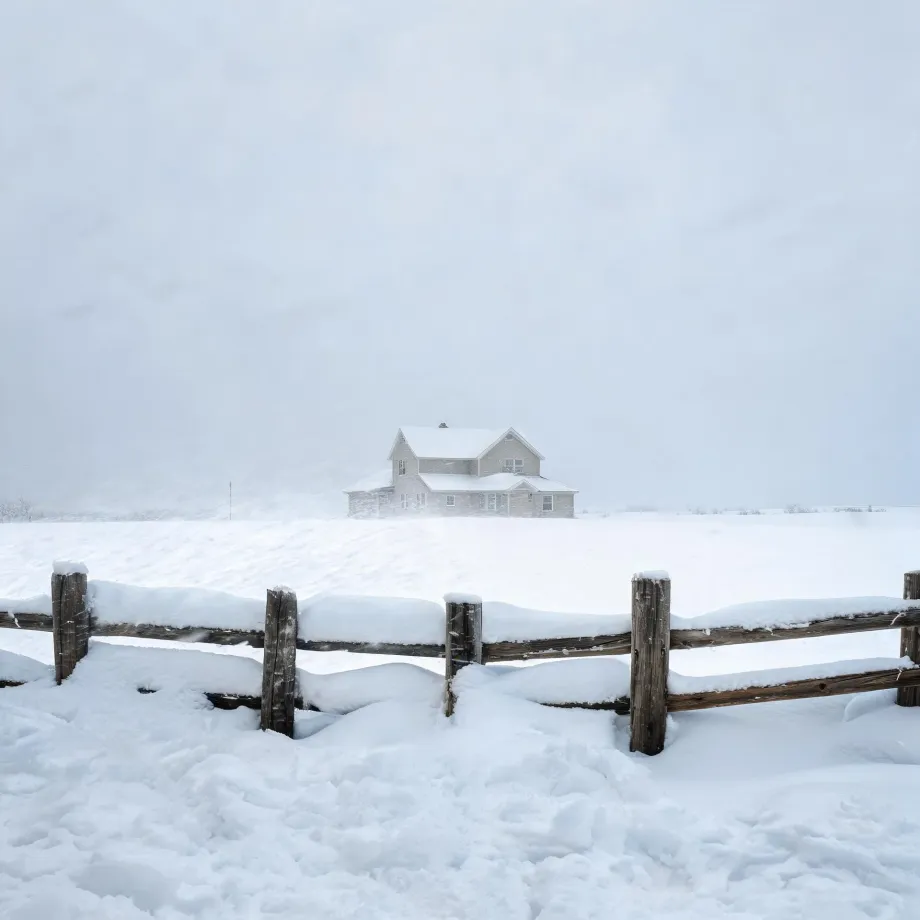
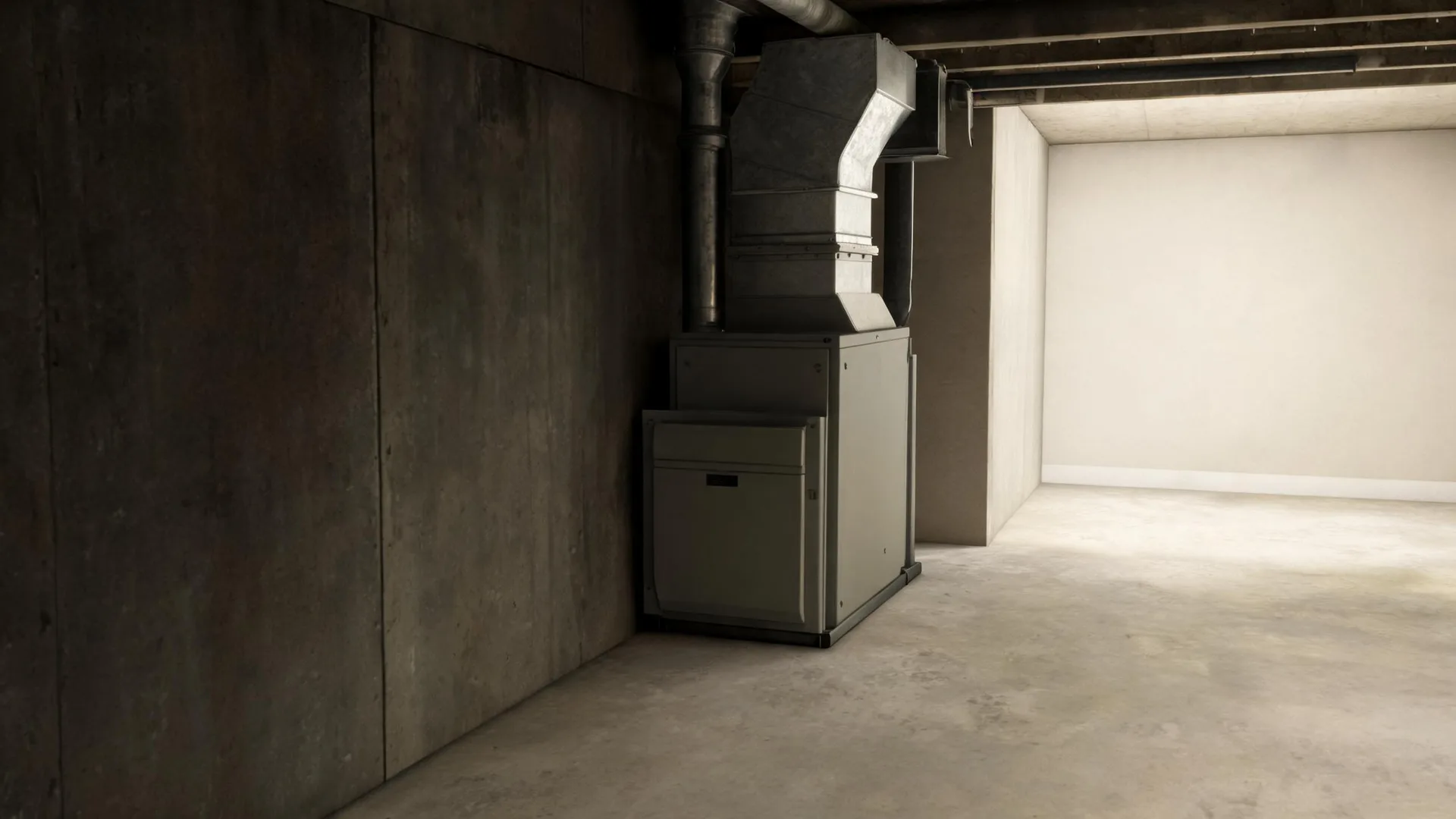
A contractor called out for furnace repair in Scotts Bluff County starts with the burner assembly and the ignition system, because those are the parts that take the load. Homes in Scotts Bluff County, NE run heat about eight months a year, from October through May. Cycling that many times over that span wears the igniter, stresses the heat exchanger, and leaves carbon buildup on the burner ports that a visual check will find. When a furnace fails in January, the fault usually traces back to a component that was already marginal by spring and sat unchecked through summer.
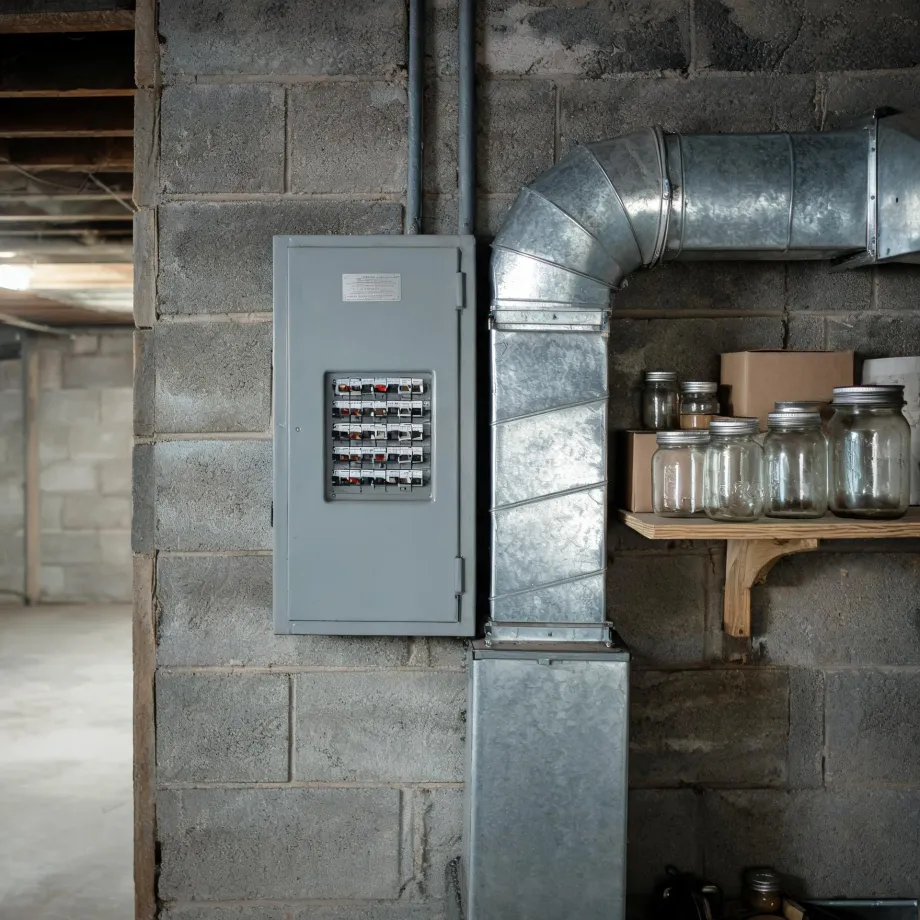
Ductwork in a house this old carries decades of patching, sealing, and rerouting, and what it has collected in that time shapes how a furnace repair goes. Half the homes in Scotts Bluff County, Nebraska were built in 1969 or earlier (2020-2024 ACS 5-year). A contractor opening a furnace in stock like this finds the unit itself is rarely the whole story. Gaps, collapses, or blockages in the surrounding duct runs restrict airflow enough that a furnace can fault, cycle short, or overheat even after its components test clean. The repair scope follows what the opened system and its connected ductwork actually show.
The Parts of a Furnace a Contractor Checks First
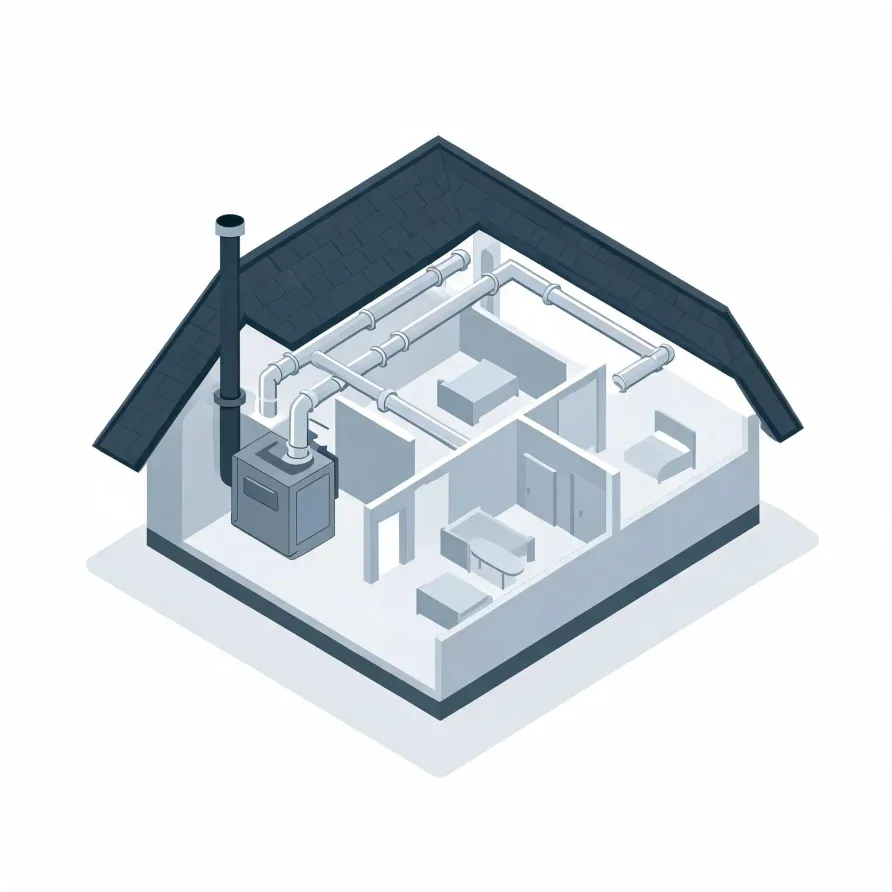
The furnace itself sits in a utility space, basement, or closet and is the first thing a contractor opens up. Inside it, the heat exchanger and burner assembly are where most failures show up. A cracked heat exchanger, a dirty burner, or a failed igniter each produce their own symptoms, and a contractor reads those symptoms to know where to look.
The blower motor pulls air through the unit and pushes it into the supply side of the house. Near or on the furnace, the flue pipe carries combustion gases out, and the limit switch watches internal temperatures and shuts the system down if something runs too hot. Problems with any of these produce different failure patterns, which is what guides a contractor's diagnosis.
The drawing shows a typical furnace layout, and a licensed contractor determines which components apply to your specific system and what work those components need.
Get matched in Scotts Bluff CountyScotts Bluff County by the Numbers
346 severe weather events were recorded in Scotts Bluff County, Nebraska between 2015 and 2024.
NOAA National Centers for Environmental Information, Storm Events Database, bulk CSV export, events 2015-01-01 through 2024-12-31.Half the homes in Scotts Bluff County, Nebraska were built in 1969 or earlier (2020-2024 ACS 5-year).
U.S. Census Bureau, 2020-2024 American Community Survey 5-Year EstimatesScotts Bluff County, Nebraska holds 16,480 housing units (2020-2024 ACS 5-year).
U.S. Census Bureau, 2020-2024 American Community Survey 5-Year EstimatesOwners occupy 69.3% of the occupied homes in Scotts Bluff County, Nebraska (2020-2024 ACS 5-year).
U.S. Census Bureau, 2020-2024 American Community Survey 5-Year EstimatesRules & Standards for Furnace Repair in Scotts Bluff County, Nebraska5 sourced rules and standards
What Happens When a Contractor Comes Out
Non-weatherized gas furnaces manufactured on or after November 19, 2015 must reach 80.0 percent AFUE.
Non-weatherized oil-fired furnaces manufactured on or after November 19, 2015 must reach 83.0 percent AFUE.
Mobile home gas furnaces manufactured on or after November 19, 2015 must reach 80.0 percent AFUE.
Non-weatherized gas furnaces manufactured on or after December 18, 2028 must reach 95.0 percent AFUE, up from the 80.0 percent minimum that applies to units manufactured before that date.
Licensing and Legal Requirements in Scotts Bluff County, Nebraska
Nebraska requires registration rather than a licence: a contractor must be registered with the Department of Labor before performing any construction work, though anyone earning less than five thousand dollars a year from construction services is not a contractor under the Act at all.
Severe Weather Events in Scotts Bluff County
Hard weather puts real hours on a furnace. What happens outside in Scotts Bluff County shows up later as wear, stress, and repair calls, which is why local event history belongs on a page about keeping heating equipment running.
346 severe weather events, 2015–2024. Source: NOAA National Centers for Environmental Information, Storm Events Database.