Tell us about the job
Takes about a minute. No obligation.
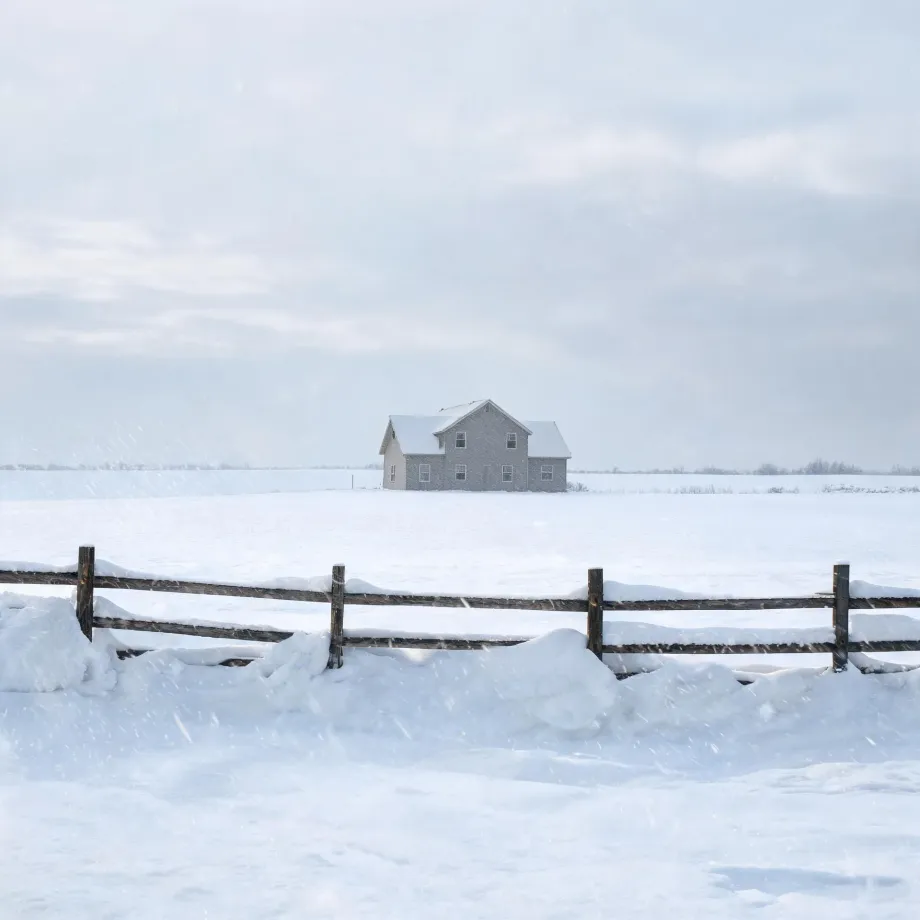
A furnace repair in Sheridan County starts with the parts that carry the real load: the burner, the heat exchanger, and the ignition system. Homes in Sheridan County, NE run heat about nine months a year, from September through May. Those components cycle on and off through almost every month of the year, and that steady accumulation shows up as cracked heat exchangers, worn igniters, and fatigued burner assemblies before other parts of the system show trouble. A contractor pricing the job checks those first, because that is where the hours live.
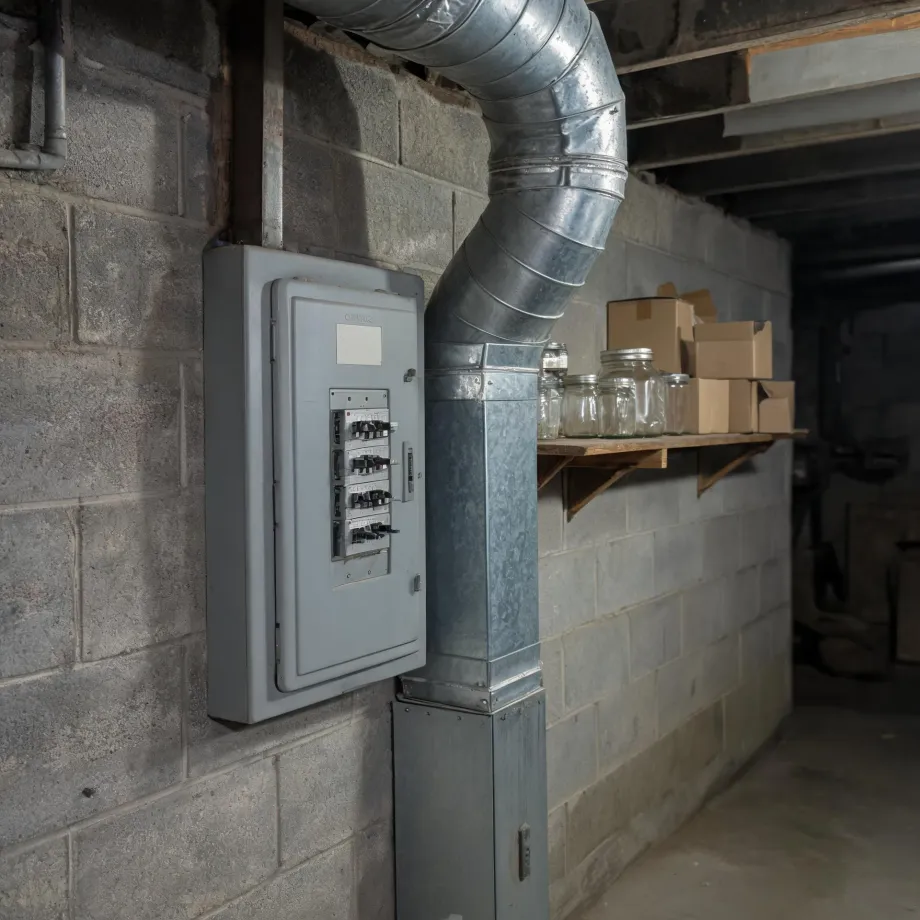
Ductwork that has outlasted several furnaces tends to show it: seams that have been resealed more than once, runs that were modified when a previous unit was swapped out, and heat exchangers that have worked against whatever the original layout allowed. Half the homes in Sheridan County, Nebraska were built in 1951 or earlier (2020-2024 ACS 5-year). A contractor opening a furnace in a house like this finds components that may have shipped decades after the walls were framed, and whether the replacement parts for that specific unit are still manufactured is the question that determines the repair scope. A furnace that is repairable gets one kind of quote; one whose parts have been discontinued gets another.
The Parts of a Furnace a Contractor Checks First
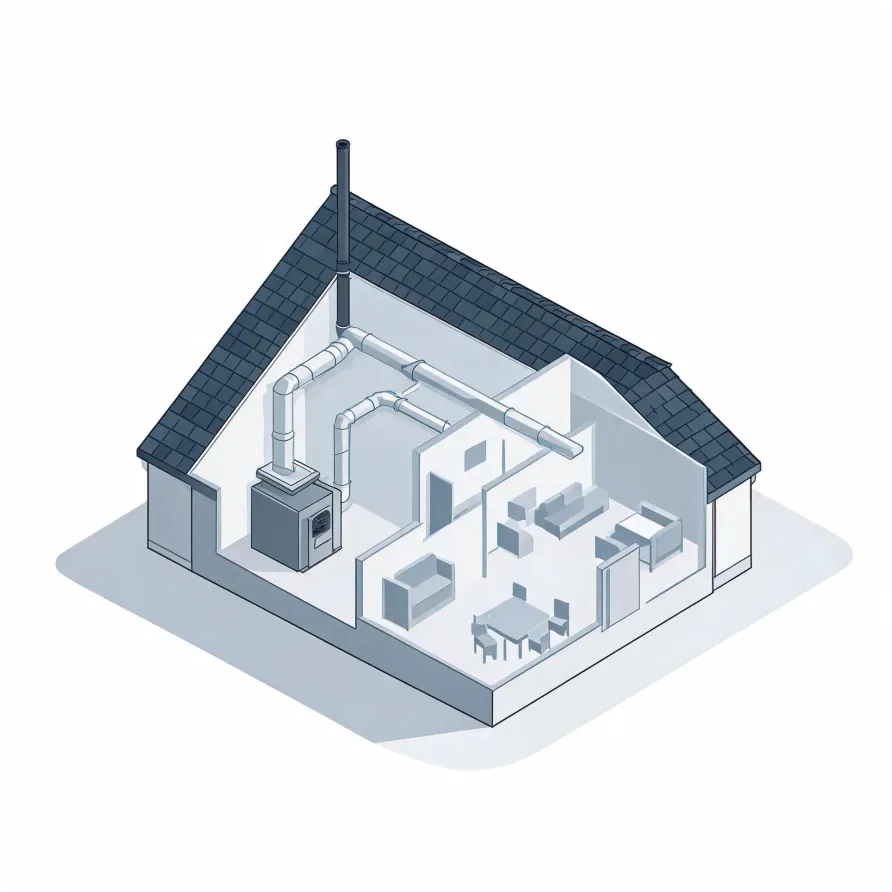
The furnace itself sits in the basement, utility room, or a dedicated mechanical closet and is the piece a contractor goes to first. Inside it, the heat exchanger is what actually warms the air, and a crack or failure there is the kind of fault that stops a furnace cold. The burner assembly feeds the heat exchanger, and when ignition problems or flame sensor faults show up, that is where a contractor looks.
The blower motor and its fan wheel sit at the base of the furnace cabinet and push conditioned air out into the house. The flue pipe runs from the top of the furnace to an exterior wall or chimney and carries combustion gases out. The control board ties those pieces together, and when symptoms are erratic or hard to pin down, that board is often where the diagnosis ends up.
The drawing shows the general layout of a furnace system, and a licensed contractor determines which components apply to the specific equipment and installation in your house.
Get matched in Sheridan CountySheridan County, by the record
286 severe weather events were recorded in Sheridan County, Nebraska between 2015 and 2024.
NOAA National Centers for Environmental Information, Storm Events Database, bulk CSV export, events 2015-01-01 through 2024-12-31.Half the homes in Sheridan County, Nebraska were built in 1951 or earlier (2020-2024 ACS 5-year).
U.S. Census Bureau, 2020-2024 American Community Survey 5-Year EstimatesSheridan County, Nebraska holds 2,704 housing units (2020-2024 ACS 5-year).
U.S. Census Bureau, 2020-2024 American Community Survey 5-Year EstimatesOwners occupy 74.1% of the occupied homes in Sheridan County, Nebraska (2020-2024 ACS 5-year).
U.S. Census Bureau, 2020-2024 American Community Survey 5-Year EstimatesCodes & Standards Behind Furnace Repair in Sheridan County, Nebraska5 sourced rules & standards
What HVAC Repair Looks Like in Sheridan County
Non-weatherized gas furnaces manufactured on or after November 19, 2015 must reach 80.0 percent AFUE.
Non-weatherized oil-fired furnaces manufactured on or after November 19, 2015 must reach 83.0 percent AFUE.
Mobile home gas furnaces manufactured on or after November 19, 2015 must reach 80.0 percent AFUE.
Non-weatherized gas furnaces manufactured on or after December 18, 2028 must reach 95.0 percent AFUE, up from the 80.0 percent minimum that applies to units manufactured before that date.
Licensing and Legal Requirements in Sheridan County, Nebraska
Nebraska requires registration rather than a licence: a contractor must be registered with the Department of Labor before performing any construction work, though anyone earning less than five thousand dollars a year from construction services is not a contractor under the Act at all.
Severe Weather Events in Sheridan County
Extreme weather puts real hours on heating equipment. Sheridan County conditions shape how hard a furnace works and how often it needs attention, which is why local repair demand follows local weather.
286 severe weather events, 2015–2024. Source: NOAA National Centers for Environmental Information, Storm Events Database.