
Furnace running right
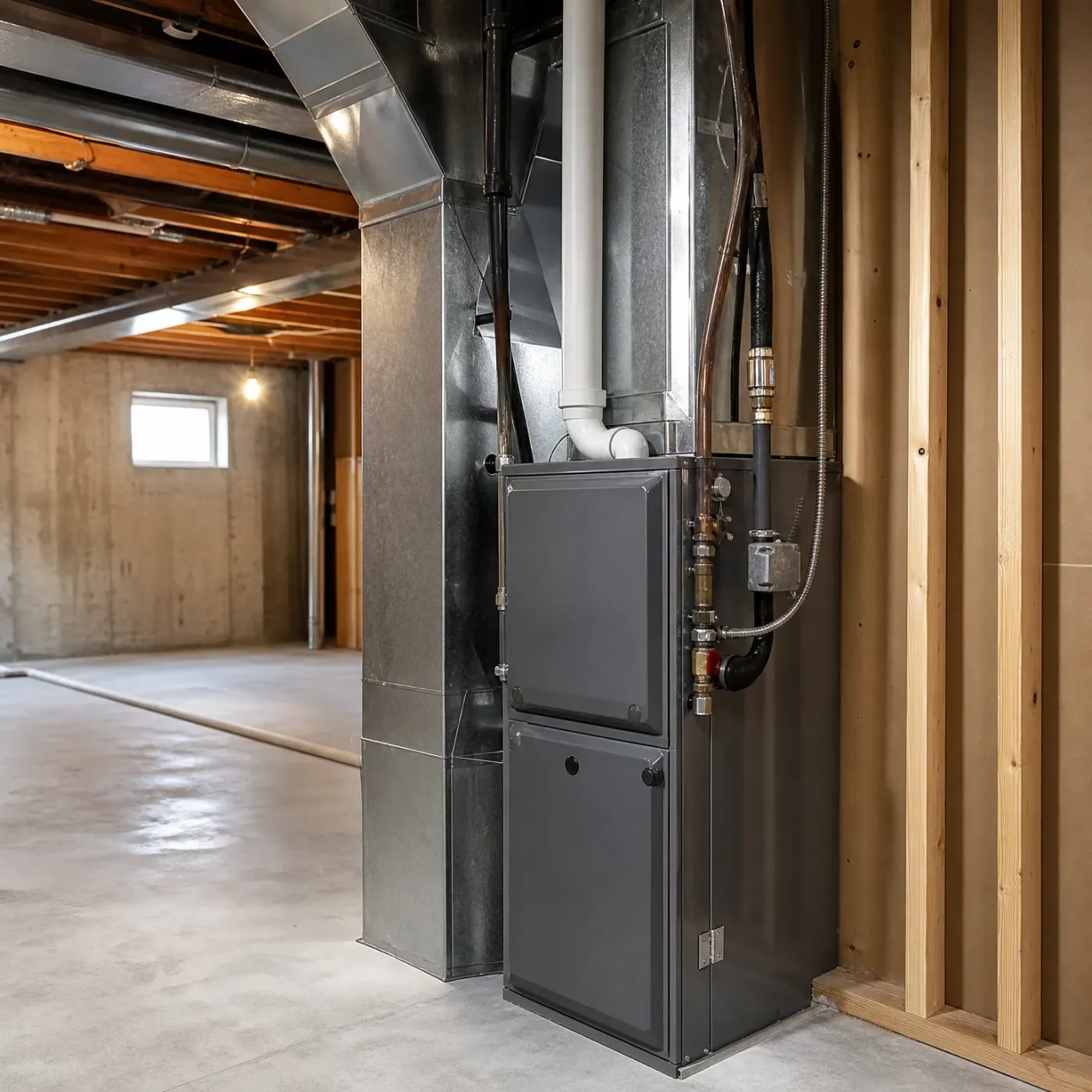
This is what a gas furnace looks like doing its job. The flue pipes carry exhaust out, the gas valve stays open, and the pilot holds steady through a cold Nebraska night. No smell, no clicking, no relighting at 2 a.m.

Hand off the furnace problem
A pilot light that won't stay lit usually means a dirty or failing thermocouple, a draft in the line, or a clogged orifice, and that's a gas furnace problem worth getting right, not relit over and over through a Nebraska winter. This page gets into why it happens and what fixes it. Send the form and skip the part where you're calling around town looking for someone who can come look at it.
Send it todayA pilot light that keeps blowing out is almost always one of three things. The thermocouple, the small sensor that sits in the pilot flame, has gotten dirty or has worn out and can't tell the gas valve the flame is lit, so the valve shuts the gas off. A draft is reaching the pilot, either from a vent pipe issue or air moving through the cabinet where it shouldn't. Or the orifice that feeds the pilot gas is partly clogged and the flame is too weak to hold. A weak or dirty thermocouple is the most common of the three. None of these fix themselves, and relighting the pilot each time it goes out doesn't address why it went out. With a Nebraska winter ahead, a furnace that won't hold a pilot is one you can't count on overnight when the temperature drops. Getting the actual cause found and corrected now means not finding out it failed at 2 a.m. in January.

The thermocouple is a thin copper rod sitting right in the pilot flame. Heat from the flame generates a tiny electric current that holds the gas valve open. No current, no gas. If the tip gets coated with soot or sits just off the flame, the valve reads it as no pilot and shuts down, even though you can see fire burning. That's why relighting it works for a night or two, then quits again.

Furnace closets, basement mechanical rooms, and shared vent lines can all pull a draft across the pilot without you feeling it. A return air leak near the furnace or a cracked heat exchanger door can do the same thing. The pilot flame on a healthy furnace burns steady and blue. If yours flickers or leans to one side, air is moving through that cabinet that shouldn't be.




Cold snaps seem to be when the pilot quits for good, not in October when the furnace first kicks on. You've noticed it's worse once temperatures really drop, and you're wondering if that's just how pilot lights are in the winter, or if the cold itself is doing something to the flame.
When it's well below freezing, the furnace runs longer and more often, which means more air moving through the flue and more chances for a draft to reach the pilot. A thermocouple that's coated with soot or sitting slightly off the flame might hold through a mild stretch and still get snuffed out once the wind picks up or the house is drawing harder on the chimney. The flame itself doesn't change with the weather. What changes is how much it gets tested. A pilot that's barely staying lit on a 40 degree day in Nebraska won't make it through a week of single digits.
This is what a gas furnace looks like doing its job. The flue pipes carry exhaust out, the gas valve stays open, and the pilot holds steady through a cold Nebraska night. No smell, no clicking, no relighting at 2 a.m.

An older furnace like this one has had years of soot and dust working into the pilot assembly. The thermocouple wears down, the orifice narrows, and the flame that used to hold steady starts going out on its own, more and more often as it gets colder.
You've probably noticed it happens at night or early morning, when the house is coldest and the furnace is working hardest. You relight it, it holds for a few hours or a day, then you're back at the furnace again with a lighter. Maybe you've started checking it before bed out of habit now. If it goes out and nobody catches it until morning, the house has been sitting without heat for hours, and on a hard Nebraska cold snap that's enough to make the whole place feel different when you wake up, not just chilly in one room. If you've got pipes running along an outside wall, a long stretch with no heat is the kind of thing that matters.


Answer a few questions instead of calling shop after shop.
Send the request today and stop worrying about who to call.
Sending the form costs nothing.


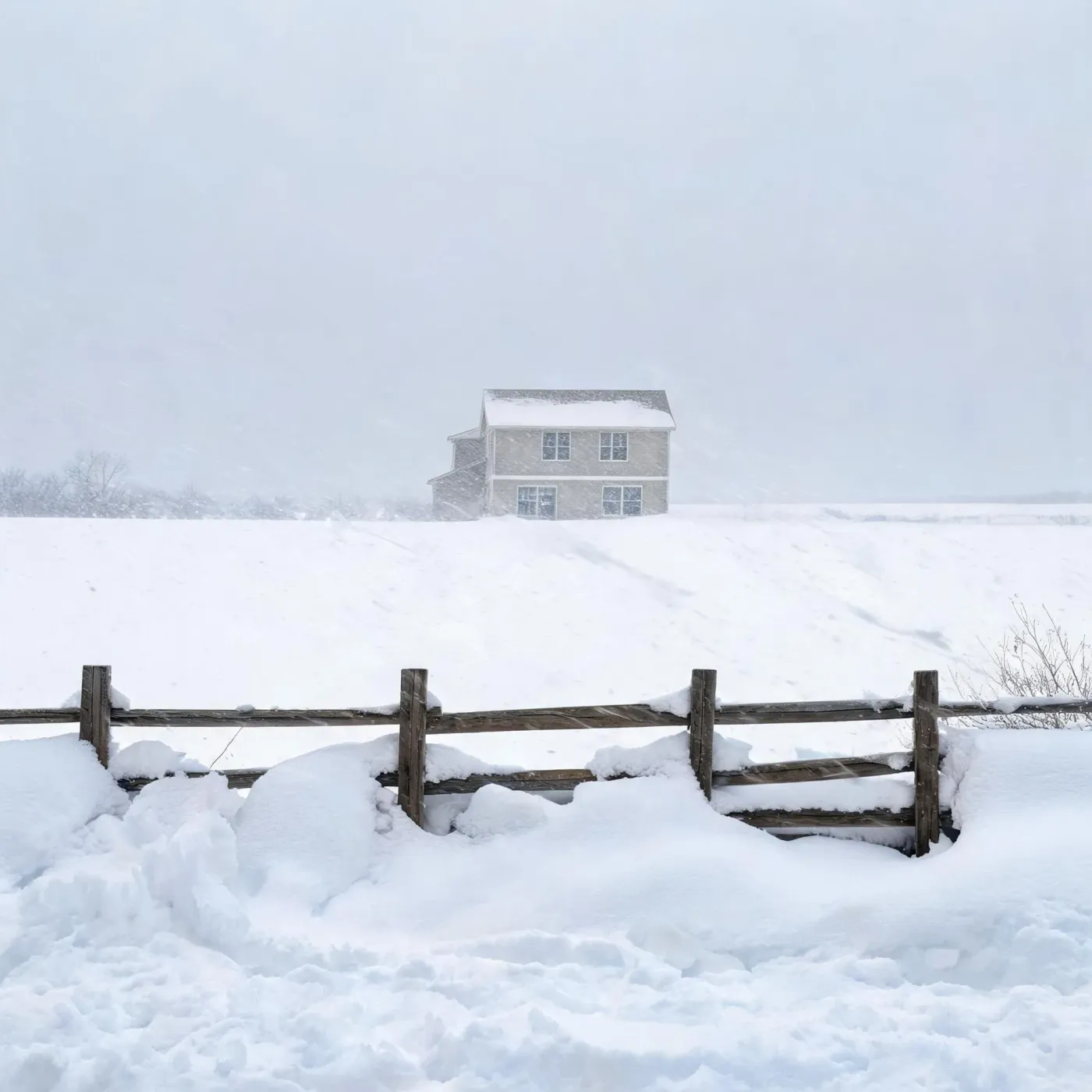
Winter nights average 17°F across Nebraska, according to NOAA climate data. That kind of cold pulls heat out of a house fast, and a furnace with a struggling pilot is exactly the one that can't keep up when it matters most. A draft that a thermocouple shrugs off in October can snuff the flame on a night that cold, because the pilot assembly is already working at the edge of what it can hold. If yours has been going out more as nights got colder, that's not bad luck. It's the same weak thermocouple or dirty orifice, just getting tested harder than it was in fall.
NOAA nClimDiv 1991-2020 county normals weighted by homes


The thermocouple only works if it's sitting exactly where it should be. It has to be in the flame, not near it, close enough that the tip stays hot enough to generate the tiny current that holds the gas valve open. Furnaces shift a little over the years as they heat and cool, and a thermocouple that's crept even a fraction of an inch off center stops reading a steady flame as steady. That alone explains why some furnaces hold the pilot fine for days, then fail for no obvious reason.
There's also a delay built into the gas valve on these older systems. It doesn't cut gas the instant the thermocouple cools. It gives it close to a minute, which means a weak thermocouple can pass the test when you first light it, hold while the house is warm and quiet, then fail a few hours later once the burner's cycled on and off a handful of times. That's why relighting it in the evening doesn't tell you much. The real test is whether it's still lit at 3 a.m. after the furnace has worked through a few cycles.
The pilot orifice matters too. It's a fixed opening, cut to one size, and it doesn't take much soot to narrow it enough that the flame runs thinner than it should. A thinner flame means less heat reaching the thermocouple, which means the sensor trips sooner than it would with a clean orifice. Bending the thermocouple back into position by hand can buy a little time, but if the metal inside it is wearing out, it's going to drift again.
At 17°F, your furnace is running most of the night just to hold the house steady. A pilot that drops out at 3 a.m. means the heat stops with it, and you're waking up to a cold house before you even notice the problem.
NOAA nClimDiv 1991-2020 county normals weighted by homes

You wake up because your feet are cold. The clock says 2 a.m. The hallway floor vent isn't making its usual low hum, and when you put your hand over it, nothing. Frost has crept up the edges of the window at the end of the hall. The house has that stillness to it, the kind where you can hear the furnace not running. You already know before you get downstairs. The pilot's out again. Third time this month. You stand there in the blue dark deciding whether to deal with it now or pile on another blanket and wait for daylight.

A dirty thermocouple, a draft finding the pilot, a clogged orifice. One of those three is behind the relighting you've been doing, and a furnace repair contractor who can check all three on the same visit settles it, instead of you guessing which one it is through another cold night.
You've already done the part that's yours to do. You caught it early, you relit it instead of ignoring it, you noticed the pattern with the cold snaps. What's left isn't something to keep managing on your own. Skip the calling around, the explaining what's been happening to three different companies, the sorting through quotes. Send the form once and the search for who to call is no longer sitting on your list.


Hand off the search today