Running the way it should
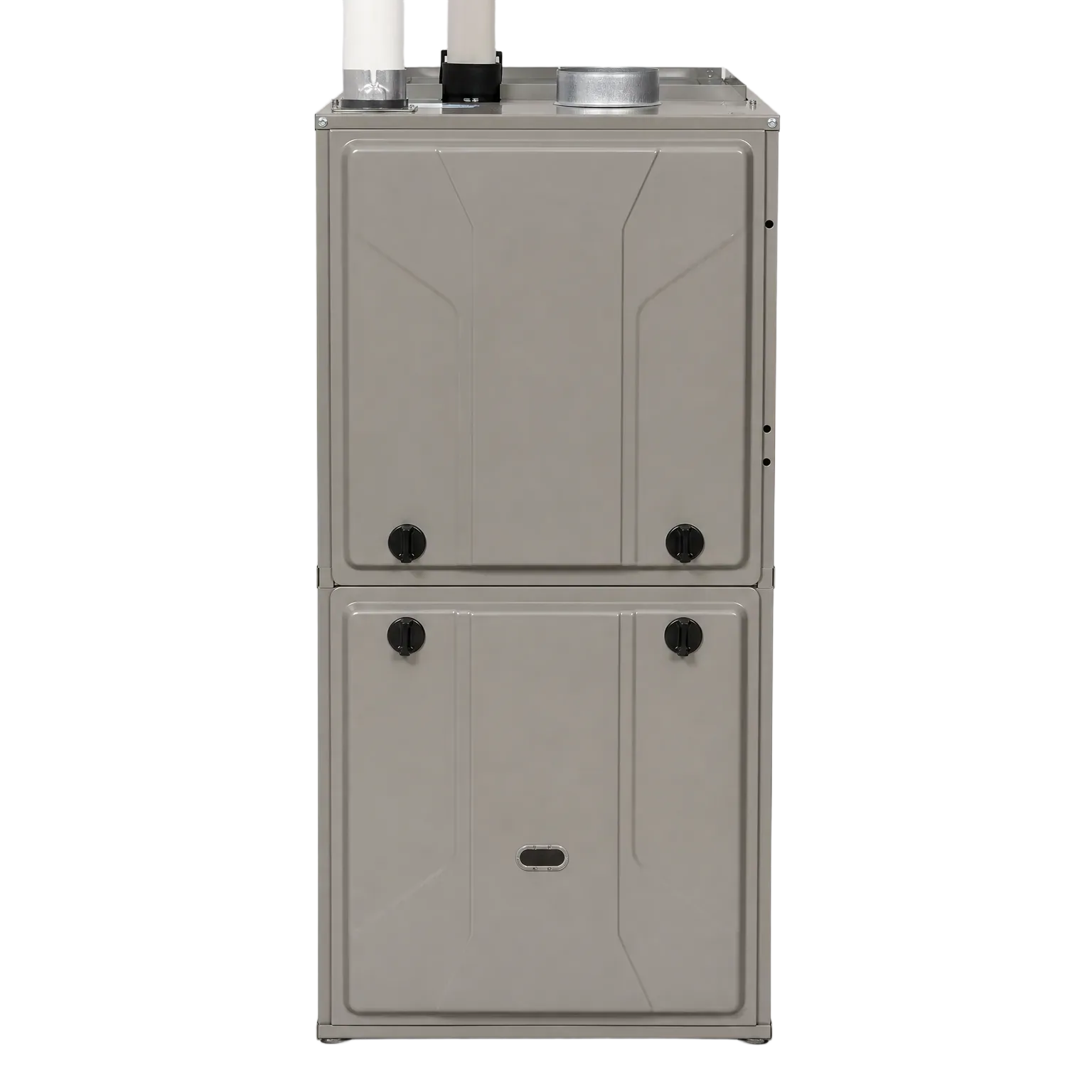
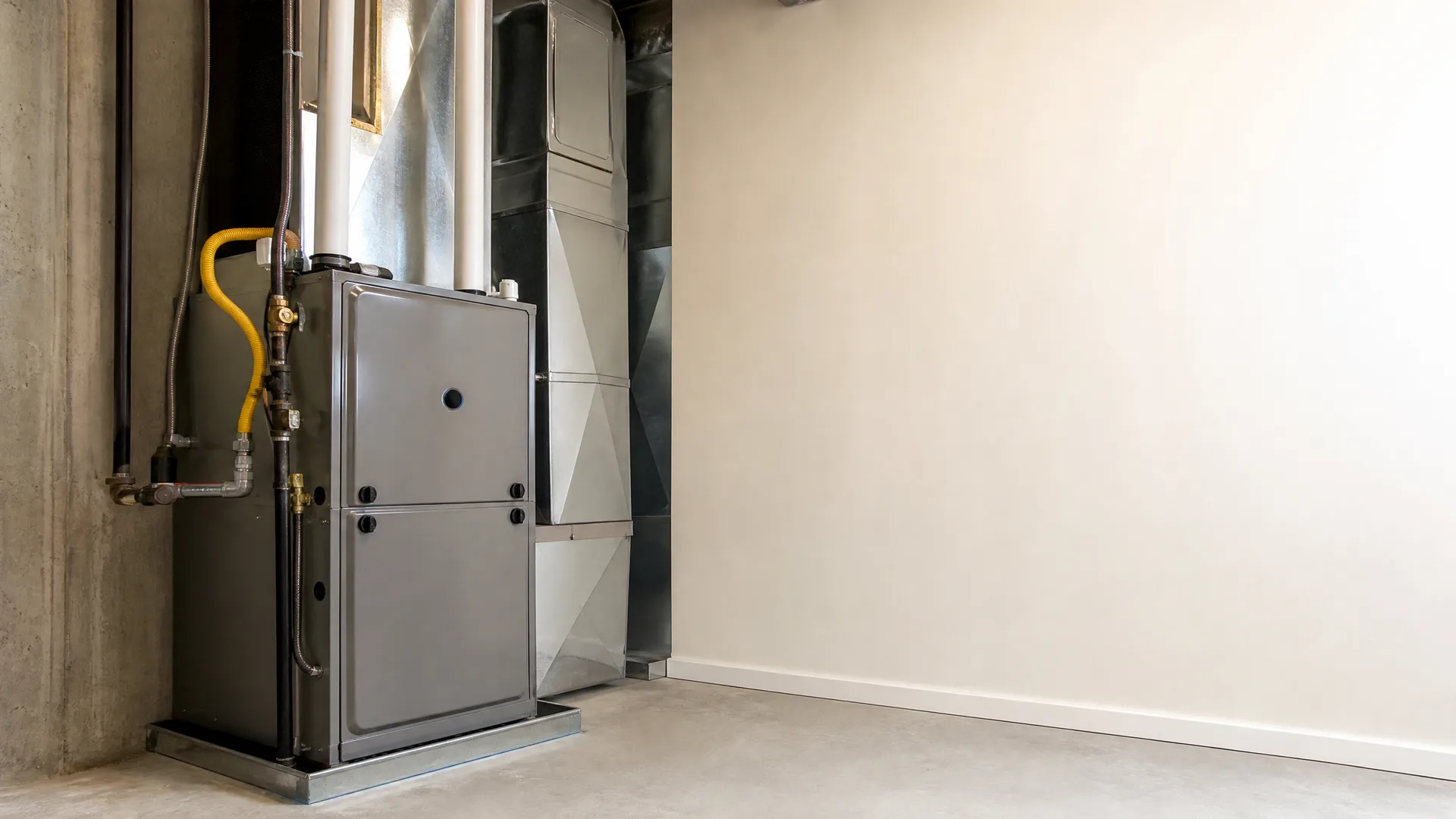
A furnace like this fires up, holds a steady flame, and keeps running until the house hits temperature. The flame sensor stays clean enough to read the fire, so the board never has a reason to cut the burners early.
A furnace that shuts off before the house warms up is usually stopping itself on purpose. A flame sensor coated with a thin film will tell the furnace it can't see a flame even though there is one, and the control board shuts the burners down rather than risk gas running without ignition. A clogged filter can do the same thing from a different angle: airflow drops, the heat exchanger gets too hot, and a limit switch cuts the burners to protect it. In a Fremont winter, a furnace that quits every few minutes or won't make it through a cold night is leaving the house to lose heat fast, and running it that way for long can crack a heat exchanger that was otherwise fine. The fix depends on which part is telling the furnace to stop, and that takes someone who can test the sensor, the switch and the board rather than guess at it.
You're down in the basement around seven, checking on the furnace because the house has gone cold again. It's November, dark outside already, and your breath almost shows near the vent. The burners aren't running. You crouch by the cabinet and there's a thin haze of dust hanging in the air where the access panel sits open, stirred up from the last time you checked the filter. The furnace sits quiet, the way it's done three times tonight already, warm for a few minutes then dark again. You put your hand near the grate. Nothing. Somewhere upstairs the thermostat still reads sixty-four, climbing slow, then not climbing at all.

The flame sensor is a thin metal rod sitting right in the burner flame. It works by passing a tiny electrical current through the flame itself back to the control board. That current tells the board the fire is real. No current, no proof, and the board cuts the gas valve within a few seconds rather than let gas keep flowing with nothing burning it. A film of carbon or oxidation on that rod is enough to block the signal, even with flames visibly lit right in front of it. The furnace isn't broken in the way people assume. It's doing exactly what it's built to do when it can't confirm what it needs to confirm.
Cleaning that rod is a five-minute job for someone who's pulled a hundred of them, and telling a coated sensor from a cracked one or a weak gas valve takes having seen both kinds fail. A local contractor who services furnaces through a Dodge County winter runs into this particular failure often enough to know it on sight, and once you're matched with one, it's a single contractor working your case, not a pile of callbacks to sort through.

Winter nights average 16°F
Overnight lows average 16°F through December, January and February, so a furnace that quits on and off leaves the house dropping fast until someone catches it.
Heat runs October through May
Heat runs from October through May here, about eight months a year. A furnace that short cycles isn't a one-time inconvenience, it's a problem you'll live with most of the year.
52.1% of homes heat with gas
Gas heats 52.1% of homes in Dodge County, more than any other fuel, which is why a flame sensor or ignition fault like this shows up so often in local furnaces.
NOAA nClimDiv 1991-2020 · ACS 2020-2024
If the furnace shuts off and comes right back on within a few minutes, and the house still ends up warm, it may just be a dirty filter choking airflow or a thermostat mounted somewhere that reads the room wrong. It is worth checking the filter yourself. If it is gray and clogged, swap it and watch whether the shutoffs stop. That one is cheap to rule out before anyone comes to look at it.
If the furnace shuts off and stays off, or you smell anything odd when it tries to restart, that is different. A cracked heat exchanger or a flame sensor that has failed completely rather than just dirtied can stop the furnace from running at all, and running it anyway risks carbon monoxide getting into the house. With lows in the teens through Dodge County winters, a furnace that will not stay lit needs a licensed tech who works on these year after year and knows which part is failing before the panel comes off.
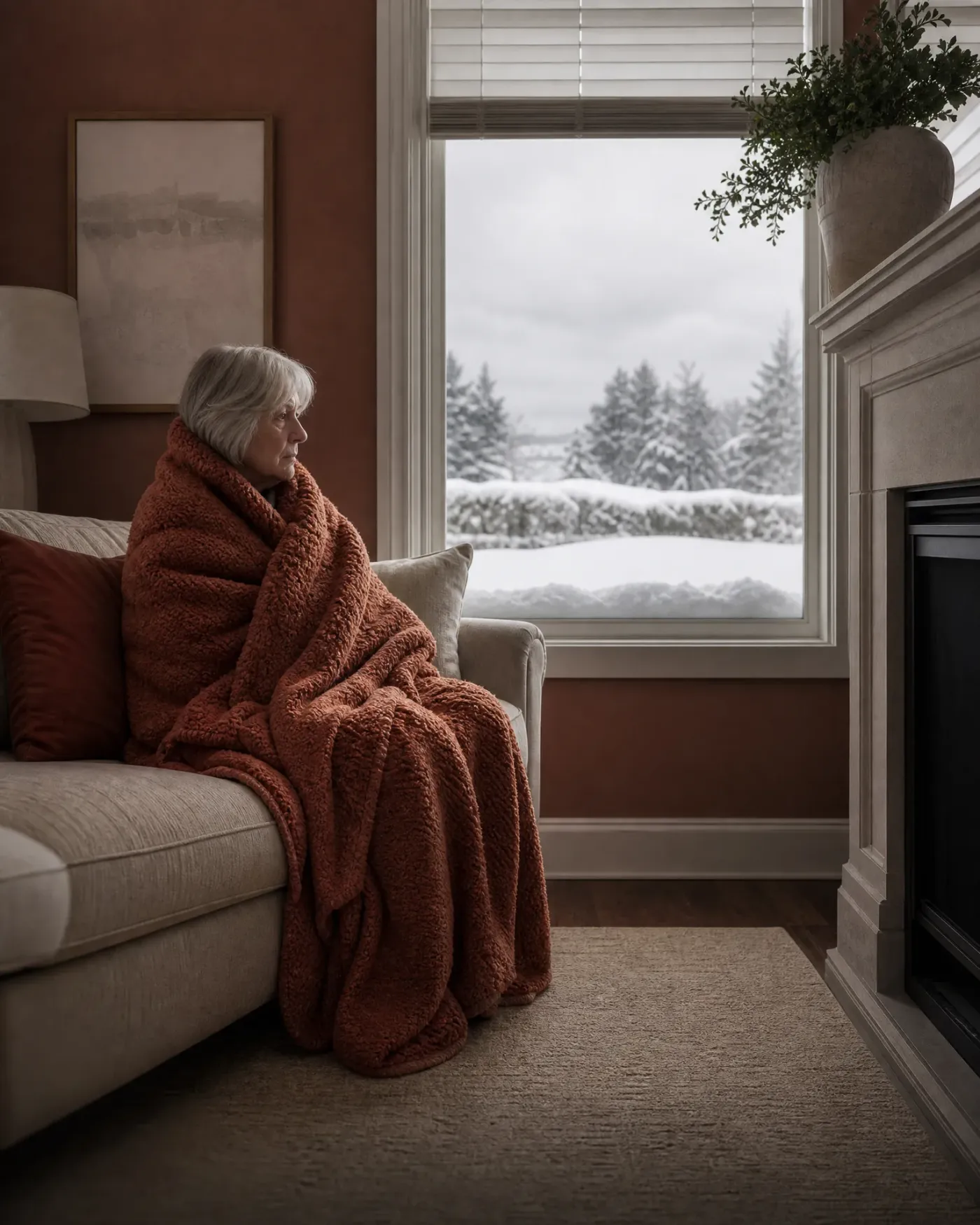
The thermostat says 70 but the house feels colder than that. Rooms farthest from the furnace, upstairs bedrooms, a room over the garage, cool off first and stay that way. You might hear the burners kick on, run for a couple minutes, then cut out, then start again a few minutes later. Some nights it keeps up with that cycle well enough that you don't think much of it. Other nights it shuts off and stays off, and you find the house at 60 in the morning. If this has been going on for a while, the furnace is working harder for less heat, and a cold snap is the wrong time to find out it's finally stopped catching back on.

A furnace like this fires up, holds a steady flame, and keeps running until the house hits temperature. The flame sensor stays clean enough to read the fire, so the board never has a reason to cut the burners early.

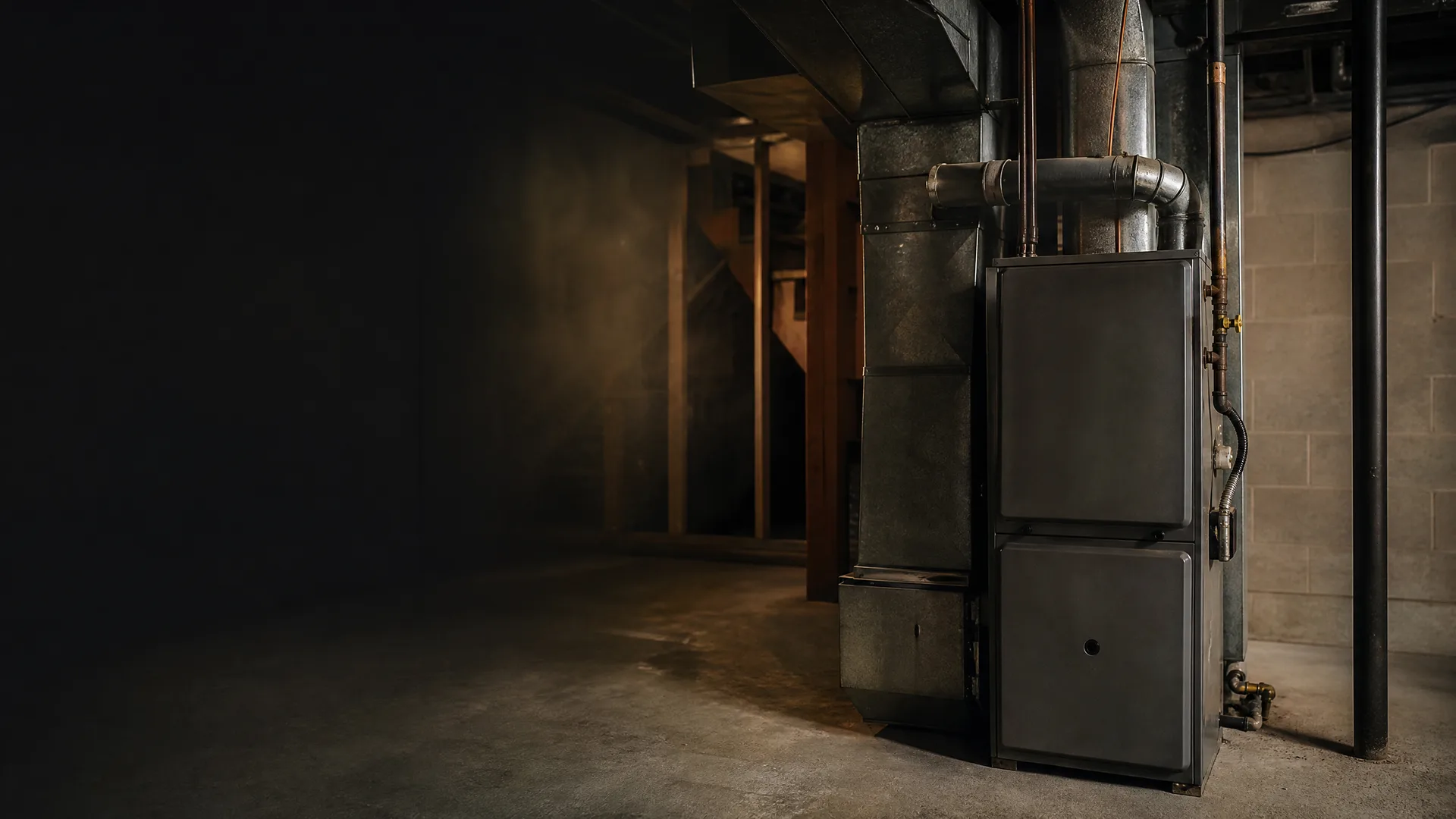
Age and moisture catch up with an older furnace like this one. A sensor coated with residue, a cracked igniter, or a pressure switch that's stuck will all make the board shut the burners down rather than risk running on bad information.





This is a furnace that isn't fighting itself. The PVC venting and the condensate pump tell you it's high-efficiency, and a clean mechanical room like this usually means nothing is choking its airflow or blocking the flue. It fires, runs its full cycle, and stops when the house is actually warm.

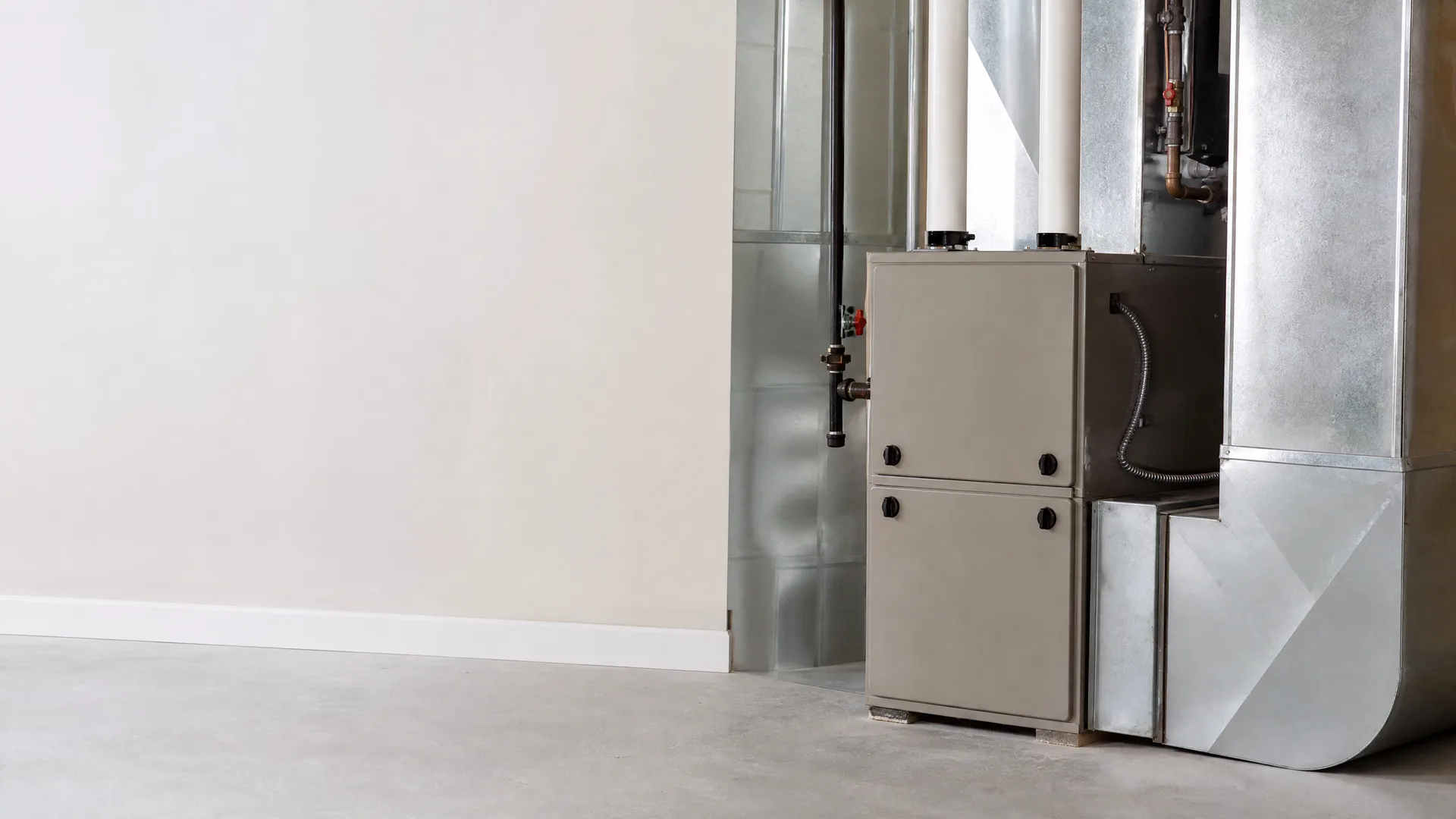
Older cabinet, same job. The corrugated gas line and the mix of sheet metal and PVC are normal for a furnace like this, but a unit that's run for years in a basement like this is the one more likely to shut off early, especially once the flame sensor picks up a coat of film it can't see through.


A licensed pro who repairs furnaces in Dodge County gets your request.
No charge to send it. You decide if you hire them.
The flame sensor works by microamps, a current so small that any film on the rod cuts it below what the control board accepts. Dust, a chalky coating from combustion byproducts, even light surface rust will do it. The rod can be sitting right in a strong flame and still report nothing, because the board isn't looking at the fire, it's reading the current passing through the sensor. Cleaning the rod with a bit of fine abrasion often restores the reading right away, which is why this failure is so common and so fixable. It isn't a sign the furnace is wearing out. It's a part that needs attention a couple of times a season in a house that burns gas from October through May.
Every time the furnace cuts out on a false flame reading, it has to go through its ignition sequence again before it can fire, purging the chamber and relighting rather than just picking up where it left off. Do that enough times in a night and the burners spend more time starting than running. Meanwhile the house is losing heat the whole time the burners sit idle, and with lows in the teens through December, January and February, that gap shows up fast as a colder house and a furnace working harder to catch back up once it does fire.


Thermostat calls for heat and igniter glows hot.
Gas valve opens and burners light off the igniter.
Flame sensor reads the burner flame within seconds.
Control board holds burners running if current looks right.


At 16°F outside, a furnace that keeps shutting off doesn't just make the house uncomfortable, it loses ground fast. There's no cushion at that temperature. Every cycle it skips is heat your house doesn't get back until the burners catch again.
NOAA nClimDiv 1991-2020
Most of the time, a furnace that keeps shutting off is doing exactly what it was built to do. The control board sees something it doesn't trust, usually a flame sensor that can't read the fire or airflow that isn't moving the way it should, and it cuts the burners rather than keep running blind. That's not a furnace failing. That's a furnace protecting itself until someone clears the problem it's flagging.
In Dodge County, that protection comes at a cost. Overnight lows sit around 16°F for three months straight, and a furnace that won't hold a cycle lets the house lose heat faster than it can catch up. The fix itself is usually straightforward once someone's hands are on it. A sensor gets cleaned or a filter gets replaced, and the board goes back to trusting what it reads.
What matters more is who does that work. A contractor who services furnaces around Fremont every winter has likely already seen this exact failure on this exact kind of equipment, more than once this season alone. That's the contractor you get matched with here, one licensed, local company, not a handful of outfits bidding for your attention. You make one call, and the person who shows up already has a good guess what they're looking for before they open the cabinet. Once it's handled, the furnace goes back to doing what it's supposed to: holding its flame, running its full cycle, and keeping the house at 70 through whatever the next cold front brings.
There's no charge for the request.
A furnace that keeps shutting off won't fix itself by waiting it out. Someone local who services these systems every winter can look at the flame sensor and the airflow before another cold night goes by, and get the burners holding steady again.