Tell us about the job
Takes about a minute. No obligation.
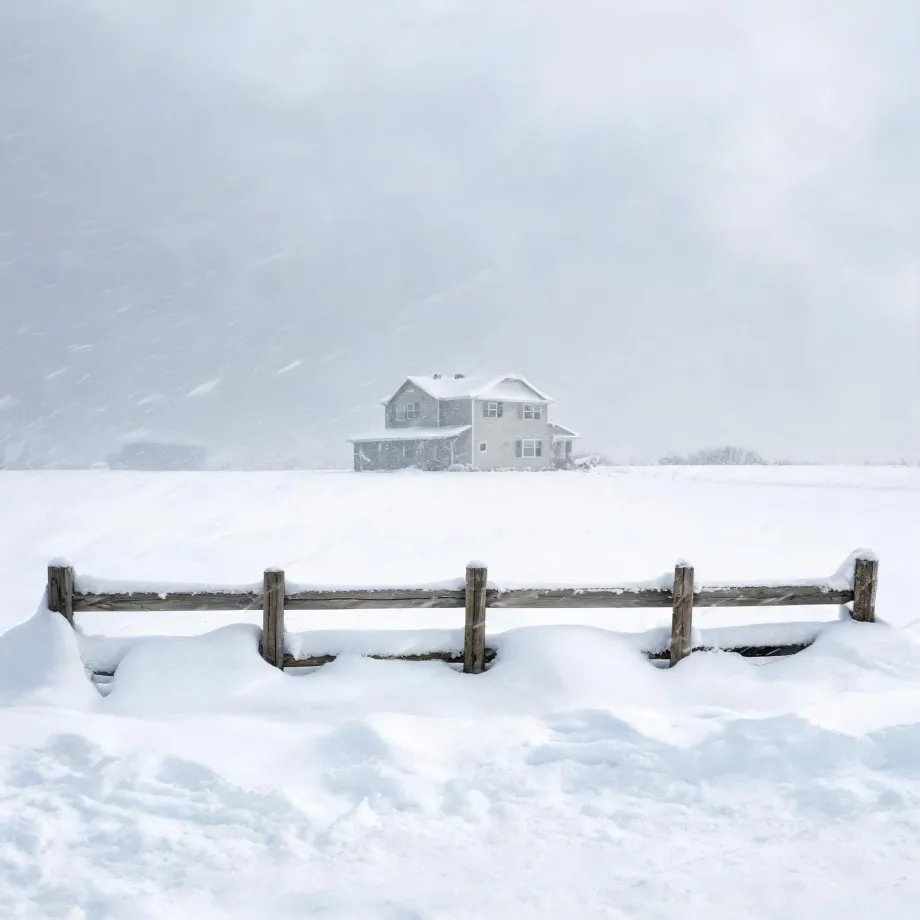
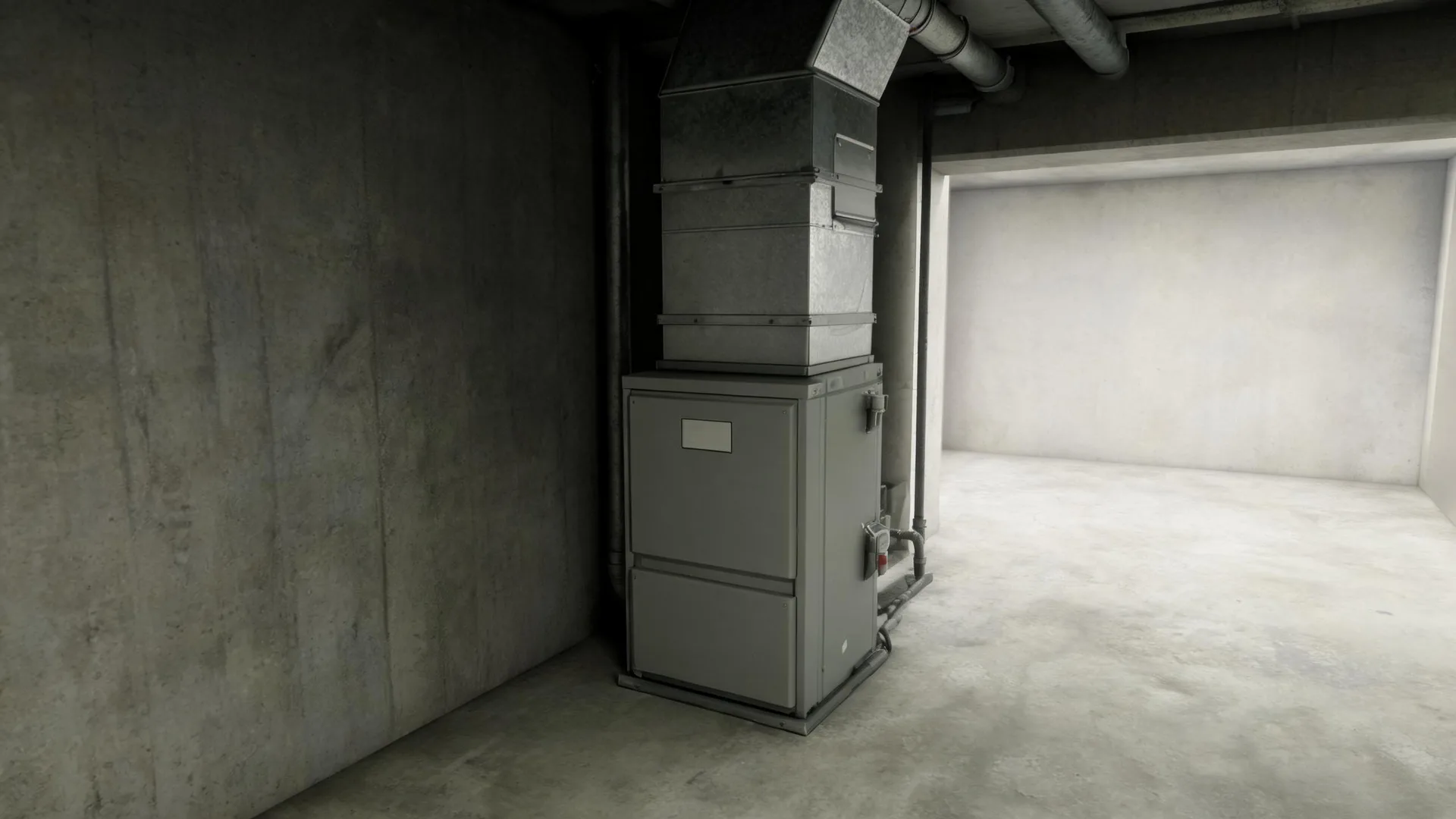
Sizing a furnace for Brown County means accounting for a burner and heat exchanger that cycle hard with little rest. Homes in Brown County, NE run heat about eight months a year, from October through May. Contractors here have to run a real load calculation before they quote, because a unit that is even modestly undersized will cycle more frequently and push its ignition system and heat exchanger harder than the manufacturer's wear curve expects. A sloppy install that might stay hidden in a milder climate surfaces here in cracked exchangers and igniter failures while the system is still relatively young.
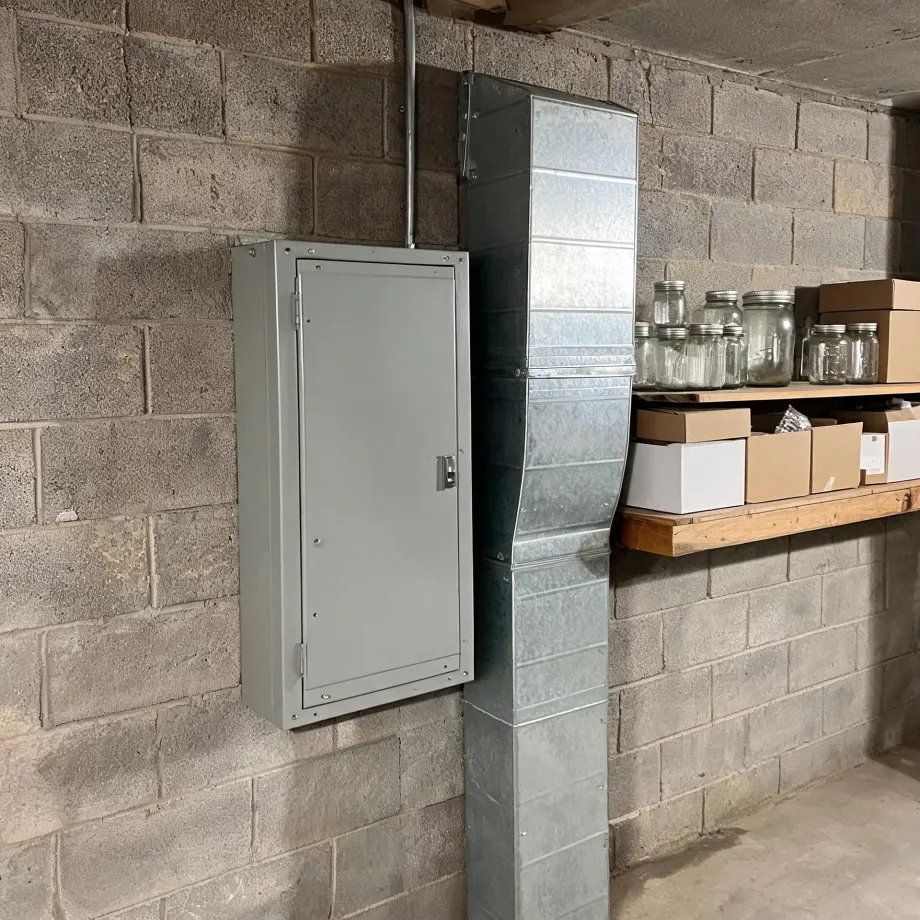
Ductwork in a Brown County home carries the history of whatever system it was first built around, and a furnace installed today draws differently and distributes differently than what those runs were sized for. Half the homes in Brown County, Nebraska were built in 1959 or earlier (2020-2024 ACS 5-year). A contractor quoting a furnace here prices the box after they have looked at the trunk lines, the branch runs, and whether the layout will move enough air for the new unit. Houses where the duct geometry fits the new load get a cleaner install. Houses where it does not get a different scope.
What Gets Installed With a New Furnace
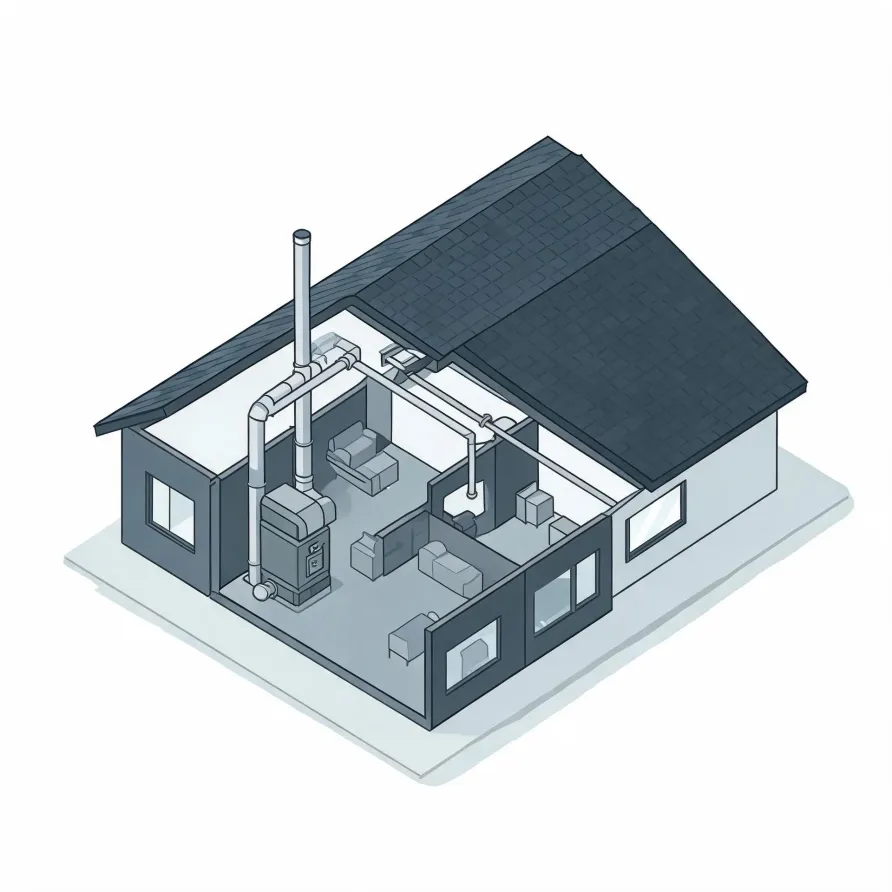
The furnace itself sits inside the house, most often in a basement, utility room, or closet. It is the unit that generates heat by burning natural gas or propane, and it is what a contractor replaces or sets in place for the first time. The heat exchanger lives inside that cabinet, transferring heat to the air that moves through the home.
The flue pipe runs from the furnace to an exterior wall or up through the roofline, carrying combustion gases out of the house. The air handler and blower assembly, also inside the cabinet, push conditioned air out into the supply side of the system. The thermostat mounts on an interior wall and is the control point the homeowner touches.
The drawing shows the general layout of a furnace system, and a licensed contractor determines what applies to your specific house.
Get matched in Brown CountyBrown County, Nebraska, by the numbers
101 severe weather events were recorded in Brown County, Nebraska between 2015 and 2024.
NOAA National Centers for Environmental Information, Storm Events Database, bulk CSV export, events 2015-01-01 through 2024-12-31.Half the homes in Brown County, Nebraska were built in 1959 or earlier (2020-2024 ACS 5-year).
U.S. Census Bureau, 2020-2024 American Community Survey 5-Year EstimatesBrown County, Nebraska holds 1,656 housing units (2020-2024 ACS 5-year).
U.S. Census Bureau, 2020-2024 American Community Survey 5-Year EstimatesOwners occupy 74.2% of the occupied homes in Brown County, Nebraska (2020-2024 ACS 5-year).
U.S. Census Bureau, 2020-2024 American Community Survey 5-Year EstimatesFurnace Installation Rules & Standards for Brown County, Nebraska5 sourced rules and standards
What the Installation Actually Looks Like
Non-weatherized gas furnaces manufactured on or after November 19, 2015 must reach 80.0 percent AFUE.
Non-weatherized oil-fired furnaces manufactured on or after November 19, 2015 must reach 83.0 percent AFUE.
Mobile home gas furnaces manufactured on or after November 19, 2015 must reach 80.0 percent AFUE.
Non-weatherized gas furnaces manufactured on or after December 18, 2028 must reach 95.0 percent AFUE, up from the 80.0 percent minimum that applies to units manufactured before that date.
Licensing and Legal Requirements in Brown County, Nebraska
Nebraska requires registration rather than a licence: a contractor must be registered with the Department of Labor before performing any construction work, though anyone earning less than five thousand dollars a year from construction services is not a contractor under the Act at all.
Severe Weather History in Brown County
Weather in this part of Nebraska puts real demands on heating equipment, and those demands shape what a furnace needs to handle year after year. A unit sized and installed for local conditions holds up differently than one that is not.
101 severe weather events, 2015–2024. Source: NOAA National Centers for Environmental Information, Storm Events Database.